Imagine walking through your front door after a long day, greeted by the tantalizing aroma of a perfectly cooked meal, ready and waiting. This isn’t a fantasy, but a daily reality for millions thanks to the slow cooker, often generically known as the Crock-Pot. As an appliance that revolutionized home cooking, the slow cooker offers unparalleled convenience, allowing you to prepare delicious, healthy meals with minimal effort. Whether you’re a busy professional, a parent juggling multiple tasks, or simply someone who appreciates hands-off cooking, understanding the world of slow cookers can transform your kitchen experience. Let’s delve into everything you need to know to find your perfect slow cooker and unlock its full potential.
What is a Slow Cooker?
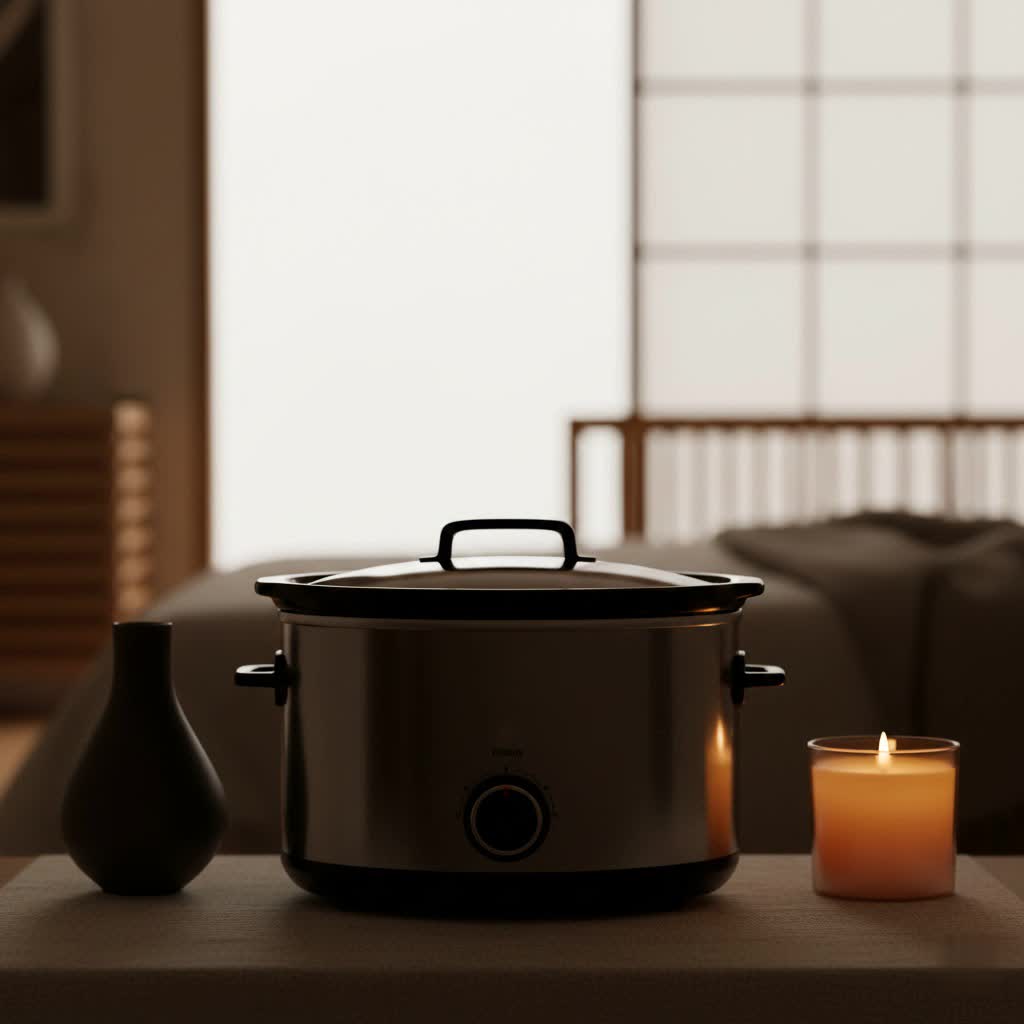
At its core, a slow cooker is a countertop electrical appliance designed to simmer food at low, consistent temperatures over an extended period. Unlike pressure cookers, which speed up cooking, slow cookers embrace the art of patience, allowing ingredients to meld flavors beautifully and tenderize even the toughest cuts of meat. The term “Crock-Pot” is often used interchangeably with “slow cooker,” though it’s actually a widely recognized brand that significantly popularized the appliance.
The concept of slow cooking gained traction in the United States during the 1940s, primarily as more women entered the workforce. This allowed them to prepare meals in the morning and return home to a hot dinner. The Naxon Utilities Corporation, led by electrical engineer Irving Naxon, developed the “Naxon Beanery All-Purpose Cooker” in 1940, inspired by his mother’s traditional Jewish stew, cholent, which cooked for hours. The Rival Company later acquired Naxon in 1970 and refined the design, launching the iconic Crock-Pot. [cite: 1 (Wikipedia)]
A typical slow cooker consists of three main parts: the heating base, which houses the heating element; the cooking vessel, often a removable ceramic or stoneware “crock”; and a tight-fitting lid, usually made of glass. This design ensures even heat distribution and traps moisture, creating a gentle, steamy environment perfect for flavorful, tender dishes. [cite: 4 (How does slow cooker work)]
Why Use a Slow Cooker?
The enduring popularity of the slow cooker isn’t just about nostalgia; it’s about practical benefits that align perfectly with modern lifestyles. Using a slow cooker offers a multitude of advantages that can simplify your cooking routine and enhance your meals.
First and foremost, slow cookers are incredible time and labor savers. You can toss in ingredients in the morning, set it, and return hours later to a fully cooked meal, eliminating last-minute dinner rush stress. This makes them ideal for busy families and anyone with a demanding schedule. [cite: 1 (Benefits)] The extended cooking times also allow for a more profound flavor development, as ingredients have ample time to meld and deepen. [cite: 3 (Benefits)]
Slow cooking is also remarkably budget-friendly. It excels at tenderizing less expensive cuts of meat, transforming them into succulent dishes. Furthermore, by enabling home cooking, it can reduce reliance on takeout, often leading to healthier meals with less sodium and fewer preservatives, as you control the ingredients. [cite: 1 (Benefits), 4 (Healthy and Safe Meals)]
Moreover, slow cookers are energy efficient, using less electricity than a conventional oven, making them a greener and more economical choice year-round. [cite: 1 (Benefits), 5 (Benefits)] Their versatility means you can prepare a vast array of dishes, from hearty stews and soups to tender roasts, pulled pork, and even desserts, often with minimal cleanup since most recipes require just one pot. [cite: 4 (Healthy and Safe Meals)]
Popular Types of Slow Cookers
The slow cooker market has evolved, offering various types to suit different cooking needs and preferences. While the basic principle remains the same, features and functionalities vary significantly.
Manual Slow Cookers
|
Our Picks for the Best Slow Cooker in 2026
As an Amazon Associate I earn from qualifying purchases.
|
||
| Num | Product | Action |
|---|---|---|
| 1 | Ninja MC1101 Foodi Everyday Possible Cooker Pro, 8-in-1 Versatility, One-Pot Faster Cooking Replaces 10 Tools, Family-Sized Capacity with Adjustable Temp Control, 6.5 quarts, Midnight Blue |

|
| 2 | Crock-Pot 6 Quart Programmable Slow Cooker with Timer and Auto Food Warmer Setting, Stainless Steel |
|
| 3 | Hamilton Beach Slow Cooker, Extra Large 10 Quart, Stay or Go Portable With Lid Lock, Dishwasher Safe Crock, Black (33195) |
|
| 4 | Crockpot SCV700-CH-BR Slow Cooker 7 quarts Charcoal |
|
| 5 | Crockpot Manual 7-Quart Slow Cooker Turquoise |
|
| 6 | Crock-Pot Large 8-Quart Programmable Slow Cooker with Auto Warm Setting Black Stainless Steel |
|
| 7 | 4-Quart Classic Slow Cooker – Programmable Small Crock Pot for Stews, Soups, Meats & Easy Meals, Removable Stoneware & Dishwasher-Safe Lid, Black |
|
| 8 | Crock-Pot 6 Quart Cook & Carry Programmable Slow Cooker with Digital Timer Stainless Steel (CPSCVC60LL-S) pack of 1 |
|
| 9 | Ninja® 12-in-1 PossibleCooker™ PLUS - 8.5-qt - Sous Vide & Proof Multi-Cooker - Slow Cooker, Dutch Oven & More - Glass Lid & Integrated Spoon - Nonstick - Oven Safe Pot to 500°F - Black - MC1010 |
|
| 10 | Crock-Pot 7 Quart Oval Manual Slow Cooker, Stainless Steel (SCV700-S-BR), Versatile Cookware for Large Families or Entertaining |
|
These are the most traditional and straightforward slow cookers. They typically feature a simple dial with “Low,” “High,” and sometimes a “Warm” setting. You manually turn the unit on and off. Their simplicity makes them reliable and generally more affordable. They are perfect for those who appreciate a no-frills approach to cooking.
Programmable Slow Cookers
Stepping up in convenience, programmable slow cookers allow you to set specific cooking times and temperatures. Many models can automatically switch to a “Keep Warm” setting once the cooking cycle is complete, preventing overcooking and ensuring your meal stays at serving temperature until you’re ready. This feature is particularly beneficial for those who are away from home for extended periods. [cite: 1 (How to Buy)]
Multi-Cookers (with Slow Cooker Function)
These versatile appliances go beyond just slow cooking. Often branded as “multi-cookers,” they combine several kitchen functions into one unit, such as pressure cooking, sautéing, steaming, rice cooking, and even air frying, in addition to slow cooking. They are excellent space-savers and offer maximum flexibility for diverse culinary tasks. Popular examples include the Instant Pot, though many brands offer multi-cookers with a slow cook setting. [cite: 2 (Benefits of using a slow cooker), 1 (Best Slow Cookers of 2025 – EatingWell)]
Mini Slow Cookers
Designed for individual servings, small households, or specific tasks like keeping dips warm at parties, mini slow cookers typically range from 1 to 3 quarts. They are compact, portable, and perfect when you don’t need to cook a large batch. [cite: 1 (How to Buy)]
Comparison Table: Types of Slow Cookers
| Feature | Manual Slow Cooker | Programmable Slow Cooker | Multi-Cooker (with Slow Cooker) | Mini Slow Cooker |
|---|---|---|---|---|
| Control | Simple dial (Low, High, Warm) | Digital interface, timer | Digital, multi-function buttons | Simple dial (Low, High, Warm) |
| Automation | None (manual on/off) | Auto-shift to Warm, delayed start | Highly programmable, various modes | None (manual on/off) |
| Versatility | Basic slow cooking | Enhanced slow cooking control | Wide range (pressure, sauté, etc.) | Limited, ideal for small portions |
| Cost | Lowest | Moderate | Highest | Low |
| Ideal For | Simplicity, budget-conscious | Busy schedules, hands-off cooking | Max flexibility, space-saving | Singles, dips, small side dishes |
| Complexity | Very low | Low to moderate | Moderate to high | Very low |
Key Factors When Buying a Slow Cooker (Buying Guide)
Choosing the right slow cooker involves considering several factors to ensure it meets your specific culinary needs and lifestyle.
Capacity
The size of your slow cooker is paramount. It should be at least half to two-thirds full for optimal cooking performance. [cite: 1 (How to Buy), 4 (Crockpot and Slow Cooker Food Safety)]
- 1-3 Quarts: Ideal for 1-2 people, small side dishes, dips, or sauces.
- 4-6 Quarts: The most common size, suitable for families of 3-5, and accommodates most standard slow cooker recipes. You can cook a small roast or a whole chicken.
- 6-8+ Quarts: Best for larger families (5-7+ people), entertaining, batch cooking, or preparing larger cuts of meat like briskets and big roasts.
Material
The material of the inner cooking pot, often called the crock or insert, influences performance and cleaning.
- Ceramic/Stoneware: These are heavy and retain heat well. They are often aesthetically pleasing enough to go straight from the cooker to the table for serving. However, they can be prone to cracking if subjected to extreme temperature changes (e.g., hot crock into cold water). [cite: 2 (The Ultimate Slow Cooker)]
- Metal (Aluminum/Stainless Steel): Lighter and more durable than ceramic. Some metal inserts are designed to be used directly on the stovetop for searing or browning ingredients before slow cooking, which adds convenience and flavor depth. [cite: 5 (Slow Cooker Buying Guide – Alyce Alexandra)] They tend to heat up faster but might not distribute heat as evenly as ceramic in some designs.
Always look for a removable crock for easy cleaning; some are even dishwasher-safe. [cite: 4 (8 Things to Consider)]
Functions
Beyond basic high and low settings, modern slow cookers offer various features to enhance your cooking experience.
- Basic Settings: “High,” “Low,” and “Warm” are standard. The “Warm” setting is crucial for keeping food at a safe serving temperature after it’s cooked, but it’s not meant for cooking. [cite: 2 (My Top 7 Safety Tips)]
- Programmable Timers: Allow you to set precise cooking durations and often automatically switch to “Warm.”
- Temperature Probes: Some advanced models include a probe that measures the internal temperature of food, automatically switching to “Warm” once the target temperature is reached, ensuring perfectly cooked meats. [cite: 2 (Benefits of using a slow cooker)]
- Sauté/Sear Function: Found in multi-cookers or models with stovetop-safe inserts, this feature allows you to brown meats and vegetables directly in the pot before slow cooking, building flavor and reducing extra dishes. [cite: 5 (Slow Cooker Buying Guide – Alyce Alexandra)]
- Wi-Fi Connectivity: High-tech models offer smartphone control, letting you adjust settings or monitor your meal remotely. [cite: 2 (Benefits of using a slow cooker)]
- Lid Features: Glass lids allow you to monitor food without lifting and losing heat. Locking lids are excellent for secure transport to potlucks or parties. [cite: 4 (8 Things to Consider), 5 (ELI5)]
Brand
While “Crock-Pot” is often used as a generic term, it is a specific brand, and many other reputable manufacturers produce excellent slow cookers. Popular brands known for quality and innovation include Hamilton Beach, Cuisinart, Instant Pot (for multi-cookers), Black+Decker, GreenLife, and All-Clad. Researching brand reviews can help you gauge reliability and customer satisfaction.
Price
Slow cookers are available across a wide price spectrum, generally correlating with size, features, and brand reputation.
- Budget-friendly (under $50): Typically manual models or basic programmable units, often smaller or mid-sized.
- Mid-range ($50-$150): Offers more advanced programmable features, larger capacities, and sometimes stovetop-safe inserts or specialized functions.
- Premium ($150+): Includes high-end multi-cookers, professional-grade materials, extensive smart features, and renowned brand names.
Determine your budget and prioritize the features most important to you to find the best value.
Top Slow Cookers to Consider
The market for slow cookers is robust, with new models consistently hitting shelves. Based on recent expert reviews and consumer feedback, here are some highly-rated options in various categories:
- Best Overall (Versatile Multi-Cooker): The Cuisinart Cook Central 6-Quart Multi-Cooker is often praised for its ability to slow cook, brown, and steam all in one unit, offering great versatility and even heat distribution. [cite: 1 (Best Slow Cookers of 2025 – EatingWell), 5 (We Went Through Pounds of Pot Roast)]
- Best Budget-Friendly Pick: The Crock-Pot 7-Quart Oval Manual Slow Cooker remains a favorite for its straightforward operation, ample capacity, and excellent performance at an accessible price point, proving that sometimes simpler is better. [cite: 2 (7 Best Slow Cookers of 2025 – Food Network)]
- Best Large Capacity: For feeding a crowd or prepping meals, the Crock-Pot 8-Quart Programmable Slow Cooker stands out. It handles large roasts and generous portions with ease, often featuring programmable timers for set-it-and-forget-it convenience. [cite: 2 (7 Best Slow Cookers of 2025 – Food Network), 3 (9 Best Slow Cookers – Everyday Health)]
- Best for Smart Features & Portability: The Hamilton Beach Set & Forget 6-Quart Programmable Slow Cooker frequently receives accolades for its intuitive controls, a thermometer probe for precise cooking, and a lid lock feature, making it a great choice for transporting meals safely. [cite: 5 (The 7 Best Slow Cookers of 2026), 5 (We Went Through Pounds of Pot Roast)]
- Best for Small Servings/Dips: For single servings or keeping appetizers warm, compact models like the Courant 1.6-Quart Slow Cooker or the Crock-Pot Mini Round Manual Slow Cooker offer excellent convenience and reliable performance in a small footprint. [cite: 3 (6 Best Slow Cookers – Southern Living), 5 (The 7 Best Slow Cookers of 2026)]
Tips for Using and Maintaining Your Slow Cooker
Getting the most out of your slow cooker involves a few best practices.
Using Your Slow Cooker Correctly
- Fill it Right: For best results and safe cooking, your slow cooker should be at least half full but no more than two-thirds to three-quarters full. [cite: 1 (How to Buy), 4 (Crockpot and Slow Cooker Food Safety)]
- Prep Ingredients: Cut meat and vegetables into uniform sizes to ensure even cooking. Layer root vegetables at the bottom, then meat, then other vegetables, and finally liquids.
- Resist the Urge to Peek: Lifting the lid allows heat and moisture to escape, potentially adding 15-20 minutes to your cooking time each time. Only remove the lid to stir or check for doneness if absolutely necessary. [cite: 2 (My Top 7 Safety Tips)]
- Adjust Liquids: Slow cookers retain moisture exceptionally well. Most recipes require less liquid than conventional cooking methods; a good rule of thumb is to reduce liquids by one-third to one-half, unless it’s a soup. [cite: 4 (Healthy and Safe Meals)]
- Convert Recipes: When converting a recipe, remember that 1 hour on high often equals 2-2.5 hours on low. Dairy products and quick-cooking items like pasta are best added in the last hour to prevent curdling or becoming mushy.
Cleaning and Care
- Always Unplug and Cool: Before cleaning, always unplug your slow cooker and allow the stoneware or metal insert to cool completely to prevent thermal shock and potential cracking.
- Dishwasher Safe Components: Most removable crocks and glass lids are dishwasher safe, making cleanup a breeze. Always check your manual for specific care instructions. [cite: 3 (Slow Cooker Buying Guide – Abt)]
- Handwashing: If handwashing, use warm, soapy water and a non-abrasive sponge. For stubborn stuck-on food, fill the crock with hot soapy water and let it soak for a few hours or overnight before scrubbing.
- Exterior Cleaning: Wipe down the exterior heating base with a damp cloth; never immerse it in water.
Essential Safety Precautions When Using a Slow Cooker
While slow cookers are designed for safe, unattended cooking, adhering to food safety guidelines is crucial to prevent foodborne illness.
- Thaw Meat Completely: Never put frozen meat or poultry directly into a slow cooker. It may take too long to reach a safe temperature, allowing harmful bacteria to multiply. Always thaw meat thoroughly in the refrigerator, microwave, or under cold running water before adding it to the pot. [cite: 1 (10 Food Safety Tips), 2 (My Top 7 Safety Tips)]
- Start Hot: If possible, start your slow cooker on the “High” setting for the first hour, especially when cooking meat or poultry, to quickly bring ingredients out of the “danger zone” (40°F to 140°F) where bacteria thrive. You can then switch to “Low” for longer cooking. [cite: 1 (10 Food Safety Tips), 4 (Crockpot and Slow Cooker Food Safety)]
- Use a Food Thermometer: The only way to ensure food has reached a safe internal temperature is to use a food thermometer. Poultry should reach 165°F (74°C), and roasts typically 145-160°F (63-71°C), depending on preference. [cite: 1 (10 Food Safety Tips), 2 (My Top 7 Safety Tips)]
- Keep Perishables Cold: Keep ingredients, especially meat, poultry, and dairy, refrigerated until just before adding them to the slow cooker. [cite: 1 (10 Food Safety Tips)]
- Proper Placement: Always place your slow cooker on a flat, sturdy, heat-safe surface, away from walls, cabinets, and flammable materials. Avoid using extension cords. [cite: 3 (The 5 Safety Rules), 4 (Crockpot and Slow Cooker Food Safety)]
- Handle Leftovers Safely: Promptly remove cooked food from the slow cooker and transfer leftovers into shallow containers for quick cooling. Refrigerate within two hours. Do not reheat food in the slow cooker; use the stove or microwave for faster, safer reheating. [cite: 1 (10 Food Safety Tips), 3 (The 5 Safety Rules)]
- Test Older Models: If you have an older slow cooker, test its heating capacity by filling it half to two-thirds full with tap water, setting it to “Low” for 8 hours. The water temperature should reach 185°F (85°C). If it’s below this, the unit may not be safely cooking food and should be replaced. [cite: 3 (The 5 Safety Rules), 5 (Cooking Safely With a Slow Cooker)]
Conclusion
The slow cooker, or Crock-Pot, stands as a testament to convenient, flavorful, and efficient cooking. It empowers you to create nourishing meals with minimal fuss, transforming tough ingredients into tender delights while you go about your day. By understanding the different types, considering essential buying factors like capacity and features, and adhering to important safety guidelines, you can harness the full potential of this kitchen workhorse. Embrace the “set it and forget it” philosophy, and you’ll soon discover the joy of coming home to a warm, delicious meal, ready to be savored.
What culinary adventures will you embark on with your slow cooker next?
Frequently Asked Questions
What is the difference between a Crock-Pot and a slow cooker?
While often used interchangeably, “Crock-Pot” is actually a brand name, similar to how “Kleenex” is a brand of facial tissue. All Crock-Pots are slow cookers, but not all slow cookers are Crock-Pots. Crock-Pot models typically feature a stoneware insert surrounded by a heating element, while other slow cookers might have a pot that sits on a heated surface. Both achieve the same slow, moist cooking. [cite: 3 (General Information | Crockpot®), 2 (7 Best Slow Cookers of 2025 – Food Network)]
Can you put frozen meat in a slow cooker?
No, it is generally unsafe to put frozen meat directly into a slow cooker. The slow cooker may not heat the meat quickly enough to surpass the “danger zone” (40°F to 140°F), allowing harmful bacteria to multiply. Always thaw meat and poultry completely in the refrigerator or microwave before adding it to your slow cooker. [cite: 1 (10 Food Safety Tips), 2 (My Top 7 Safety Tips)]
How full should a slow cooker be for best results?
For optimal cooking and safety, a slow cooker should be filled at least halfway, but no more than two-thirds to three-quarters full. Filling it too little can cause food to overcook or burn, while overfilling can lead to uneven cooking or boil-overs. [cite: 1 (How to Buy), 4 (Crockpot and Slow Cooker Food Safety)]
What’s the best slow cooker size for a family of four?
For a family of four, a 4- to 6-quart slow cooker is typically ideal. A 6-quart model offers more versatility, allowing for larger meals, leftovers, or cooking for occasional guests, without being excessively large for everyday use. [cite: 1 (How to Buy), 2 (The Ultimate Slow Cooker)]
Is a slow cooker energy efficient?
Yes, slow cookers are generally very energy efficient. They use less electricity than a conventional oven, making them a more cost-effective and environmentally friendly option for cooking, especially for long durations. [cite: 1 (Benefits), 5 (Benefits)]
Can I leave my slow cooker unattended all day?
Yes, slow cookers are designed for unattended cooking, making them ideal for busy schedules. However, always ensure you follow all safety guidelines, such as proper food preparation and never using a damaged unit. Programmable models with an auto-warm function offer extra peace of mind. [cite: 2 (What is a slow cooker and how to use it), 3 (Benefits of using a slow cooker)]
What kind of recipes are best for a slow cooker?
Slow cookers excel at dishes that benefit from long, slow simmering. This includes stews, soups, chili, pot roasts, pulled pork, tender chicken dishes, and even some desserts like cobblers. They are especially good for tenderizing tougher, less expensive cuts of meat.
