Imagine a world where your slow cooker effortlessly delivers delicious, tender meals, and the cleanup is as simple as tossing a bag in the trash. This isn’t a culinary fantasy; it’s the reality with slow cooker liners. For anyone who loves the convenience of slow cooking but dreads the scrubbing aftermath, these humble kitchen accessories are nothing short of revolutionary. But what exactly are they, are they safe, and how can you choose the best ones for your kitchen? Let’s dive in and demystify the world of slow cooker liners, ensuring your cooking remains a joy from start to finish.
What is a Slow Cooker Liner?
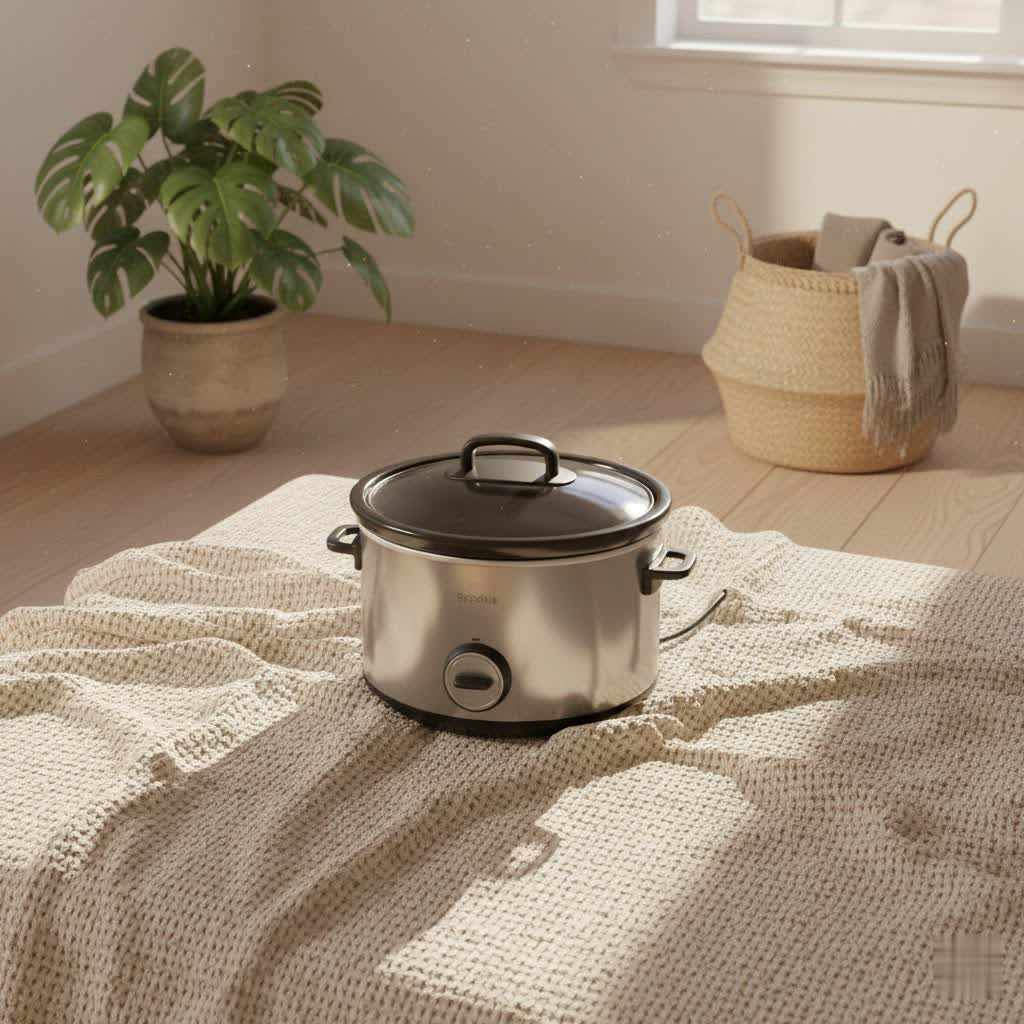
A slow cooker liner is essentially a heat-resistant, food-safe bag designed to fit inside the ceramic or metal insert of your slow cooker. These liners create a barrier between your food and the pot, preventing ingredients from sticking, baking on, or leaving stubborn residues. Typically crafted from materials like nylon resin, they are engineered to withstand the prolonged, low-to-high temperatures characteristic of slow cooking. Their primary purpose is to transform post-meal cleanup from a daunting chore into a quick, effortless task, often requiring no more than a simple wipe-down of the pot after use.
Why Use Slow Cooker Liners?
The appeal of slow cooker liners extends far beyond mere convenience, offering several compelling reasons to incorporate them into your cooking routine.
- Time and Effort Saving: This is arguably the biggest draw. Liners eliminate the need for soaking and vigorous scrubbing of your slow cooker pot, especially after cooking notoriously sticky or saucy dishes. Once your meal is served, you simply lift out the liner and discard it, saving precious time and energy.
- Food Safety and Hygiene: For those who often transport their slow cooker to potlucks or gatherings, liners can enhance hygiene by containing food within a disposable bag, reducing the risk of cross-contamination. They also ensure that any residue from previous meals, even after washing, doesn’t interfere with new dishes.
- Preserves Cooker Longevity: Constant scrubbing can eventually scratch or wear down the non-stick or ceramic surface of your slow cooker’s insert. Liners provide a protective layer, extending the life and maintaining the pristine condition of your appliance.
- Versatility in Meal Prep: Liners make it easy to prepare multiple dishes in the same slow cooker without having to wash the pot in between, which is particularly useful for batch cooking or entertaining.
“Slow cooker liners are a game-changer for busy households, transforming the most dreaded part of slow cooking – cleanup – into a non-issue. The time saved is invaluable.” – Admin, ReviewBhai.com, Slow Cooker Expert
Types of Slow Cooker Liners
While the basic concept remains the same, slow cooker liners come in a few variations:
- Standard Disposable Liners: These are the most common type, typically made from heat-resistant nylon. They are designed for single-use and are widely available in most supermarkets.
- Reusable Silicone Liners: For the environmentally conscious cook, reusable silicone inserts offer an eco-friendly alternative. These are placed inside the slow cooker and washed after each use, much like the slow cooker pot itself, but are often more flexible and easier to clean than a heavy ceramic insert.
- Alternatives like Parchment Paper or Foil: While not true “liners,” some cooks use parchment paper or aluminum foil as a makeshift barrier. Parchment paper can work for drier dishes, but it may turn mushy with high liquid content. Aluminum foil should be used with caution, especially with acidic foods, as it can react and potentially affect flavor. These are generally less effective for complete mess prevention compared to dedicated liners.
Slow Cooker Liners: Pros and Cons
Like any kitchen accessory, slow cooker liners offer both advantages and potential drawbacks.
| Feature | Pros | Cons |
|---|---|---|
| Cleanup | Effortless, no scrubbing or soaking required | Still need to wipe down the slow cooker pot to catch any condensation |
| Time Saving | Significantly reduces post-meal cleanup time | |
| Pot Protection | Prevents scratches and stubborn stains, extends appliance life | |
| Food Sticking | Excellent for preventing food from adhering to the pot | |
| Cost | Recurring expense, adds to overall cooking cost | |
| Environmental | Contributes to single-use plastic waste, environmental impact | |
| Safety | Most reputable brands are BPA-free and FDA-compliant, heat-resistant | Some concerns about plastic leaching, especially with acidic/fatty foods |
| Cooking Quality | May slightly affect browning or crisping of certain dishes | |
| Fit | Available in various sizes for different slow cookers | Improper fit can lead to shifting or tears, causing spills |
Factors to Consider When Buying Slow Cooker Liners (Buying Guide)
Choosing the right slow cooker liner can enhance your cooking experience. Here’s what to look for:
- Size: Liners are designed to fit specific slow cooker capacities, typically ranging from 1-3 quarts (mini) to 3-8 quarts (regular) and up to 10 quarts (large). Ensure you select a liner that matches your slow cooker’s volume to prevent bunching or stretching that could lead to tears or spills.
- Material:
- Nylon Resin: Most disposable liners are made from this heat-resistant, food-safe plastic. Always look for “BPA-free” and “FDA-compliant” labels to ensure safety. Reputable brands like Reynolds and Crock-Pot explicitly state these safety features.
- Silicone: For reusable options, food-grade silicone liners are durable and flexible. They are often dishwasher-safe and a good choice if you’re aiming to reduce waste.
- Functions and Features: While disposable liners are straightforward, some might offer slight variations in thickness for added durability. Reusable silicone liners might vary in flexibility and design.
- Brand Reputation: Stick with well-established brands known for kitchen products. These brands typically adhere to rigorous safety standards and offer reliable performance.
- Price and Value: Liners are sold in packs, and prices can vary. Consider buying in bulk if you use them frequently to save money in the long run. Balance cost with quality and safety assurances.
Top Slow Cooker Liners From Reputable Brands
Many trusted brands offer high-quality slow cooker liners. Brands like Reynolds Kitchens and Crock-Pot are widely recognized for their FDA-compliant, BPA-free nylon liners that are designed to withstand slow cooking temperatures up to 400°F. These liners are a popular choice among home cooks due to their reliability and ease of use, making cleanup significantly simpler without concerns about tearing or melting under normal slow cooking conditions.
Tips for Using and Storing Slow Cooker Liners
To get the most out of your slow cooker liners and ensure safe cooking, follow these best practices:
- Proper Placement: Gently place the liner inside your slow cooker pot, pressing it against the sides to ensure it fully covers the interior. Avoid allowing edges to hang over the outside of the pot where they could come into direct contact with the heating element.
- Don’t Overfill: Fill your slow cooker to the recommended capacity, typically 2/3 to 3/4 full, to prevent spills and ensure even cooking. Overfilling can put undue stress on the liner.
- Use Appropriate Utensils: To avoid puncturing or tearing the liner, always use plastic, wooden, or silicone utensils for stirring and serving your food. Metal utensils, especially those with sharp edges, can easily damage the liner.
- Careful Removal: Once cooking is complete, allow the slow cooker and its contents to cool slightly. Remove all food from the pot before attempting to lift out the liner. This prevents spills of hot food and minimizes the risk of the liner tearing under the weight.
- Storage: Keep unused slow cooker liners in their original packaging in a cool, dry place.
Safety Considerations for Slow Cooker Liners
The safety of cooking with plastic is a common concern for many home cooks. Here’s what you need to know:
- Heat Resistance: Reputable slow cooker liners are made from heat-resistant nylon designed to safely withstand temperatures up to 400°F. Most slow cookers operate at a maximum of around 300°F on their high setting, meaning the liners are well within their safe temperature range.
- Food-Grade Materials: Always choose liners labeled as “food-safe.” Major brands ensure their products meet strict food safety standards set by regulatory bodies like the FDA.
- BPA-Free Status: Bisphenol A (BPA) is a chemical historically used in some plastics that has raised health concerns. Many brands now offer BPA-free liners to address these worries. It’s advisable to opt for these whenever possible.
- Restricted Use: Slow cooker liners are specifically designed for slow cookers only. Do not use them in a microwave, conventional oven, stovetop, air fryer, or any other cooking appliance, as they are not designed for those types of heat exposure and could melt or leach chemicals.
- Food Storage: While convenient for cooking, slow cooker liners are not ideal for long-term food storage. Once cooking is done, food should be transferred to appropriate food storage containers for refrigeration or freezing. The liner material does not provide an adequate barrier against moisture loss for extended storage, nor is it designed for freezer temperatures.
Conclusion
Slow cooker liners offer an undeniable advantage in the kitchen, simplifying cleanup and extending the life of your beloved slow cooker. By choosing BPA-free, FDA-compliant liners from reputable brands and adhering to proper usage guidelines, you can enjoy the ultimate convenience without compromising on safety. Whether you’re a seasoned slow cooker enthusiast or new to the world of dump-and-go meals, liners can help make your cooking experience more enjoyable and less about the aftermath. So, why not give them a try and reclaim your precious time from endless scrubbing?
Frequently Asked Questions
Are slow cooker liners safe to use?
|
Our Picks for the Best Slow Cooker in 2026
As an Amazon Associate I earn from qualifying purchases.
|
||
| Num | Product | Action |
|---|---|---|
| 1 | Crock-Pot 6 Quart Cook & Carry Programmable Slow Cooker with Digital Timer Stainless Steel (CPSCVC60LL-S) pack of 1 |

|
| 2 | Hamilton Beach Slow Cooker, Extra Large 10 Quart, Stay or Go Portable With Lid Lock, Dishwasher Safe Crock, Black (33195) |
|
| 3 | Ninja MC1101 Foodi Everyday Possible Cooker Pro, 8-in-1 Versatility, One-Pot Faster Cooking Replaces 10 Tools, Family-Sized Capacity with Adjustable Temp Control, 6.5 quarts, Midnight Blue |
|
| 4 | Crockpot SCV700-CH-BR Slow Cooker 7 quarts Charcoal |
|
| 5 | Crock-Pot Large 8-Quart Programmable Slow Cooker with Auto Warm Setting Black Stainless Steel |
|
| 6 | Crockpot Manual 7-Quart Slow Cooker Turquoise |
|
| 7 | Ninja® 12-in-1 PossibleCooker™ PLUS - 8.5-qt - Sous Vide & Proof Multi-Cooker - Slow Cooker, Dutch Oven & More - Glass Lid & Integrated Spoon - Nonstick - Oven Safe Pot to 500°F - Black - MC1010 |
|
| 8 | 4-Quart Classic Slow Cooker – Programmable Small Crock Pot for Stews, Soups, Meats & Easy Meals, Removable Stoneware & Dishwasher-Safe Lid, Black |
|
| 9 | Crock-Pot 6 Quart Programmable Slow Cooker with Timer and Auto Food Warmer Setting, Stainless Steel |
|
| 10 | Crock-Pot 7 Quart Oval Manual Slow Cooker, Stainless Steel (SCV700-S-BR), Versatile Cookware for Large Families or Entertaining |
|
Yes, most slow cooker liners from reputable brands are safe to use. They are typically made from BPA-free, food-grade nylon that is heat-resistant up to 400°F, which is higher than the maximum temperature reached by most slow cookers. Always check for FDA compliance on the packaging.
Can you reuse slow cooker liners?
Standard slow cooker liners are designed for single-use and should not be washed and reused. However, there are reusable alternatives available, such as silicone inserts, which are specifically made for multiple uses and are often dishwasher safe.
What are slow cooker liners made of?
Slow cooker liners are primarily made from a heavy-duty, heat-resistant nylon resin, a type of plastic. Many brands specifically formulate them to be BPA-free and comply with food safety standards.
Do slow cooker liners affect the taste of food?
Most users do not report a noticeable change in food taste when using slow cooker liners. While some highly sensitive palates might detect a subtle difference, this is not a universal experience. Liners are designed to be inert and not impart flavors.
Are there eco-friendly alternatives to slow cooker liners?
Yes, if environmental concerns are a priority, you can explore alternatives. Reusable silicone slow cooker inserts are a popular eco-friendly option. Other methods include simply greasing your slow cooker pot with cooking spray or oil, or using parchment paper for certain dry dishes, though these might not offer the same level of convenience as dedicated liners.
