For years, the slow cooker has been a beloved kitchen staple, renowned for its ability to transform tough cuts into tender, flavorful meals with minimal effort. But with the rise of multi-cookers like the Instant Pot, home cooks now face a delightful dilemma: can this versatile appliance truly replicate the magic of a dedicated slow cooker? The answer is a resounding yes, with a few crucial adjustments. Understanding these nuances will unlock a world of convenient, delicious meals, making your Instant Pot a true kitchen powerhouse.
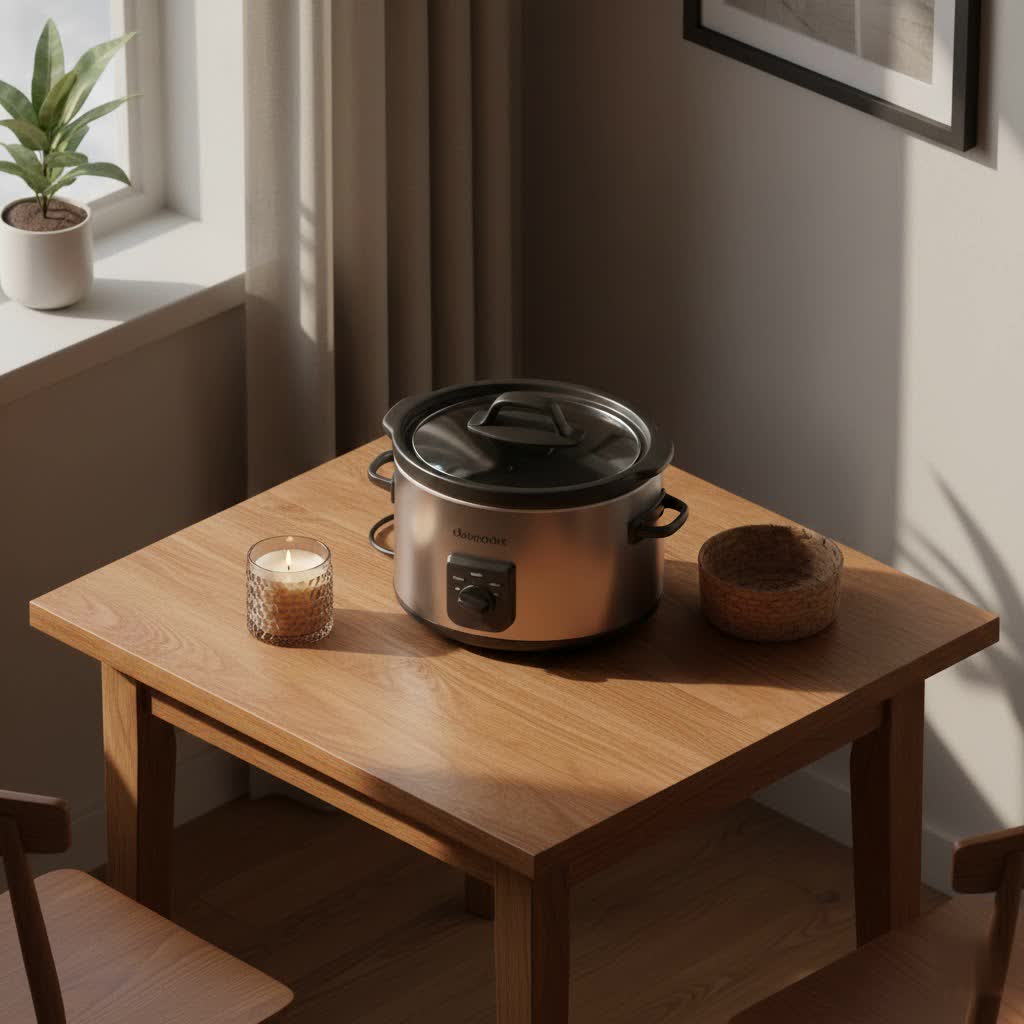
What is an Instant Pot Slow Cooker?
An Instant Pot is far more than just a pressure cooker; it’s a multi-functional kitchen appliance designed to streamline your cooking. At its core, it’s an electric pressure cooker, but most models also feature settings for sautéing, steaming, making rice, yogurt, and, of course, slow cooking. Its primary components include a stainless steel inner pot, a heating element at the base, and a lid that can either seal for pressure cooking or vent for slow cooking. This combination allows it to perform various cooking tasks, adapting to different culinary needs.
Why Consider an Instant Pot for Slow Cooking?
The appeal of using an Instant Pot for slow cooking lies in its remarkable versatility and convenience. Imagine consolidating several kitchen gadgets into one sleek unit, freeing up valuable counter and cabinet space. Beyond its space-saving benefits, the Instant Pot excels at one-pot meals thanks to its integrated sauté function. This allows you to brown meats and aromatics directly in the pot before slow cooking, a step that significantly deepens flavors—something often missed with traditional slow cookers that require a separate pan for searing. The Instant Pot also creates a more sealed environment compared to many traditional slow cookers, which can lead to richer sauces and less watery results, provided you adjust liquid levels appropriately.
Instant Pot Slow Cooker vs. Traditional Slow Cooker
While both appliances aim to cook food “low and slow,” their underlying mechanisms and optimal performance differ.
| Feature | Instant Pot (Slow Cooker Function) | Traditional Slow Cooker (Crock-Pot) |
|---|---|---|
| Heating Method | Primarily heats from the bottom with a thin metal inner pot, which can lead to less even heat distribution for slow cooking. | Heats from both the bottom and sides, with a thick ceramic or stoneware crock for more consistent warmth. |
| Temperature | Settings: “Less” (170-190°F), “Normal” (190-200°F), “More” (up to 210°F). “Less” often functions more like a “keep warm.” | Settings: “Low” (190-200°F), “High” (225-275°F), “Warm.” “High” typically achieves hotter temperatures. |
| Lid & Evaporation | Comes with a pressure-sealing lid; requires valve to be in “Venting” position for slow cooking. Minimal liquid evaporation. Using a glass lid is often recommended for better slow cook results and monitoring. | Typically has a looser-fitting lid that allows for some steam escape, leading to more liquid evaporation. |
| Flavor Depth | Good, especially with the sauté-first method to build foundational flavors. Can result in richer sauces due to less evaporation. | Excellent. Long, gentle cooking with some evaporation often develops deeper, more caramelized flavors. |
| Meat Texture | Tenderizes effectively, but may not always achieve the “fall-apart”, shredded texture as consistently as traditional methods without careful recipe adaptation. | Excels at producing ultra-tender, easily shredded meats. |
| Versatility | Highly versatile (pressure cook, sauté, steam, etc.), offering a compact all-in-one solution. | Primarily dedicated to slow cooking. |
| Price | Generally higher upfront cost due to multi-functionality. | More affordable for a single-purpose appliance. |
Choosing the Perfect Slow Cooking Setup in Your Instant Pot: A Guide
Selecting the ideal Instant Pot for slow cooking isn’t about finding a dedicated “slow cooker model” but rather understanding how to leverage the slow cook function on existing multi-cookers. Most Instant Pot models, like the popular Duo series, include this feature, making them a suitable choice for those seeking versatility.
Instant Pot Models with Slow Cook Functionality
|
Our Picks for the Best Slow Cooker in 2026
As an Amazon Associate I earn from qualifying purchases.
|
||
| Num | Product | Action |
|---|---|---|
| 1 | Hamilton Beach Slow Cooker, Extra Large 10 Quart, Stay or Go Portable With Lid Lock, Dishwasher Safe Crock, Black (33195) |

|
| 2 | 4-Quart Classic Slow Cooker – Programmable Small Crock Pot for Stews, Soups, Meats & Easy Meals, Removable Stoneware & Dishwasher-Safe Lid, Black |
|
| 3 | Crock-Pot 6 Quart Programmable Slow Cooker with Timer and Auto Food Warmer Setting, Stainless Steel |
|
| 4 | Crock-Pot 7 Quart Oval Manual Slow Cooker, Stainless Steel (SCV700-S-BR), Versatile Cookware for Large Families or Entertaining |
|
| 5 | Ninja® 12-in-1 PossibleCooker™ PLUS - 8.5-qt - Sous Vide & Proof Multi-Cooker - Slow Cooker, Dutch Oven & More - Glass Lid & Integrated Spoon - Nonstick - Oven Safe Pot to 500°F - Black - MC1010 |
|
| 6 | Crockpot SCV700-CH-BR Slow Cooker 7 quarts Charcoal |
|
| 7 | Crock-Pot Large 8-Quart Programmable Slow Cooker with Auto Warm Setting Black Stainless Steel |
|
| 8 | Ninja MC1101 Foodi Everyday Possible Cooker Pro, 8-in-1 Versatility, One-Pot Faster Cooking Replaces 10 Tools, Family-Sized Capacity with Adjustable Temp Control, 6.5 quarts, Midnight Blue |
|
| 9 | Crockpot Manual 7-Quart Slow Cooker Turquoise |
|
| 10 | Crock-Pot 6 Quart Cook & Carry Programmable Slow Cooker with Digital Timer Stainless Steel (CPSCVC60LL-S) pack of 1 |
|
Virtually all Instant Pot multi-cookers come equipped with a slow cook setting. Models such as the Instant Pot Duo, Duo Plus, Pro, and Ultra offer the flexibility to slow cook. The key is to understand how to best utilize the included features for optimal slow cooking results.
The Inner Pot and Even Heating
Instant Pots typically feature a stainless steel inner pot, which is excellent for pressure cooking and sautéing. However, for slow cooking, the bottom-heavy heating can sometimes lead to uneven cooking or scorching on the bottom, a contrast to the all-around heating of traditional ceramic slow cookers. While you can purchase ceramic-coated inner pots separately for some Instant Pot models, using the sauté-first method and proper liquid adjustments can largely mitigate these concerns.
Essential Functions and Settings
The “Slow Cook” button is your gateway to low and slow meals. You’ll find three main temperature settings: “Less,” “Normal,” and “More.”
- “Less” (Low): This setting operates at a lower temperature, around 170-190°F. It’s often compared to a “keep warm” setting on traditional slow cookers and is best suited for delicate tasks like keeping food warm, gently poaching, or for very long, gentle cooks of already tender ingredients. It’s generally not recommended for cooking raw meat from scratch.
- “Normal” (Medium): Operating at approximately 190-200°F, this is your go-to for most slow cooker recipes that call for a “low” setting. It provides consistent, gentle heat suitable for a wide range of soups, stews, and chicken dishes.
- “More” (High): Reaching up to 210°F, this setting is designed for recipes requiring a traditional “high” slow cooker temperature. It’s ideal for tougher cuts of meat like chuck roast or for cooking unsoaked beans. Be mindful that even “More” might not reach the higher temperatures of a traditional “High” setting (which can be up to 275°F), potentially requiring slightly longer cooking times.
The Importance of Your Lid and Venting
For true slow cooking in an Instant Pot, the steam release valve on its pressure cooking lid must be in the “Venting” position, not “Sealing.” This allows steam to escape, preventing pressure buildup and mimicking the environment of a traditional slow cooker. Many users also find that purchasing a separate clear glass lid for their Instant Pot significantly enhances the slow cooking experience, allowing them to monitor food progress without losing heat, similar to a traditional Crock-Pot.
Optimizing Your Instant Pot for Slow Cooking Success
Transforming your Instant Pot into a slow cooking champion requires a few strategic steps to ensure tender, flavorful results every time.
Never Skip the Sauté-First Method
This is a game-changer for Instant Pot slow cooking. Traditional slow cookers often start hot immediately, while Instant Pots take 15-20 minutes to reach target slow cooking temperatures. The sauté-first method addresses this temperature ramp-up and, crucially, builds foundational flavors that can’t be achieved with simple boiling.
- Heat Oil: Use the “Sauté” mode with a tablespoon or two of oil for a couple of minutes.
- Brown Aromatics: Sauté onions, garlic, and carrots until softened and slightly caramelized.
- Bloom Spices: Add your spices and cook for 30 seconds to release their full aroma.
- Sear Meat/Tomato Paste: Brown any meat or caramelize tomato paste to add rich, deep flavor layers.
- Deglaze: Add a splash of broth or wine to deglaze the pot, scraping up any browned bits from the bottom.
- Add Remaining Ingredients & Simmer: Incorporate your main ingredients and bring the mixture to a gentle simmer.
- Switch to Slow Cook: Cancel the “Sauté” mode and proceed with your slow cook setting.
This pre-heating and browning technique ensures food enters the safe temperature zone quickly and results in stews with layered umami, far surpassing bland, boiled flavors.
Adjust Liquid Levels for Perfect Consistency
The Instant Pot’s near-zero evaporation rate, even when vented, means you’ll need to adjust recipes designed for traditional slow cookers. To prevent watery dishes, reduce the liquid in your recipe by about ¼ cup per serving. If your dish still turns out too thin, you can use the “Sauté” function uncovered for 5-10 minutes after slow cooking to reduce the sauce to your desired consistency. Always avoid filling beyond the halfway line for liquid-heavy recipes.
Fine-Tuning Cooking Times
Expect your Instant Pot to cook slightly differently than a traditional slow cooker. While some sources suggest it might cook 25% faster due to its more sealed environment, it’s generally safer to consider Instant Pot’s “Normal” setting as equivalent to a traditional slow cooker’s “Low” setting for the same duration. For recipes calling for “High” on a traditional slow cooker, use the Instant Pot’s “More” setting and consider adding an extra 15 minutes per hour of the original recipe to compensate for potential temperature differences. Always factor in the 15-20 minute preheat time before the cooking countdown begins.
Recipes to Embrace and Avoid
The Instant Pot’s slow cook function shines with hearty stews, chili, and braised meats. Dishes like beef and chickpea stew, butter chicken, or mushroom congee can be adapted beautifully. However, some recipes are better suited for other Instant Pot functions or different appliances entirely. For example, baking recipes often suffer from uneven heating, while rice and pasta dishes can become gluey; these are typically better prepared using the pressure cook or rice cook settings. Similarly, unsoaked dried beans can be inconsistent in slow cook mode and are usually best cooked under pressure for reliable results.
Top Instant Pot Models for Slow Cooking
When considering an Instant Pot for its slow cooking capabilities, most modern multi-cookers from the brand will suffice. However, certain models offer features that enhance the experience:
- Instant Pot Duo Series (Duo, Duo Nova, Duo Plus): These are popular entry-level to mid-range models that offer the core slow cook function, along with pressure cooking, sautéing, and other essential modes. They are excellent all-rounders.
- Instant Pot Ultra & Pro Series: These advanced models often provide more precise temperature control and customizable programs, which can be beneficial for fine-tuning your slow cooking results. Their intuitive interfaces can make the learning curve smoother for new users.
The “best” model ultimately depends on your budget and whether you need additional advanced features beyond basic slow cooking and pressure cooking. All models with a dedicated “Slow Cook” button will serve your needs.
Tips for Using and Maintaining Your Instant Pot Slow Cooker
To maximize the lifespan and performance of your Instant Pot, especially when utilizing its slow cook function, follow these practical tips:
- Do Not Overfill: Never fill the inner pot beyond the ⅔ mark, particularly for foods that expand, to ensure proper and safe cooking.
- Monitor Progress (with a glass lid): If you invest in a glass lid, you can easily check on your meal without interrupting the cooking cycle and losing heat.
- Clean Thoroughly: After each use, immediately remove and wash the sealing ring with soapy water. These rings can absorb odors, so many users keep separate rings for savory and sweet dishes. Also, clean the steam release valve and empty the condensation cup to prevent residue buildup and odors.
Safety Considerations When Slow Cooking in Your Instant Pot
While the Instant Pot is a safe appliance, a few precautions are vital when slow cooking:
- Venting is Key: Always ensure the steam release valve is set to “Venting” for slow cooking. Leaving it sealed will cause pressure to build, leading to pressure cooking, not slow cooking, and potentially overcooking delicate items.
- Avoid Overfilling: As mentioned, never fill past the maximum fill line to prevent overflow and ensure safe operation.
- Keep Away from Reach: Place the Instant Pot on a stable, heat-resistant surface, away from the edge of the counter and out of reach of children or pets.
- Unplug After Use: Always unplug the appliance from the power outlet once cooking is complete and before cleaning.
- Check for Damage: Regularly inspect the power cord, sealing ring, and other components for any signs of wear or damage. Do not use the appliance if any parts are compromised.
> “Mastering the Instant Pot’s slow cook function is about understanding its unique design. By embracing the sauté-first technique and making simple liquid and temperature adjustments, you can unlock rich, deep flavors that rival any traditional slow cooker.” – Admin of ReviewBhai.com, Slow Cooker Specialist
Conclusion
The Instant Pot is a remarkable kitchen innovation, and its slow cooker function, while requiring a slightly different approach than a traditional Crock-Pot, offers unparalleled convenience and versatility. By understanding its unique heating mechanisms, utilizing the crucial sauté-first method, and making appropriate adjustments to liquid and cooking times, you can consistently achieve tender, flavorful slow-cooked meals. This multi-talented appliance not only saves space but empowers you to create a vast array of delicious dishes, making it an invaluable tool for any home cook. So, are you ready to unlock the full slow cooking potential of your Instant Pot?
Frequently Asked Questions
Can I use a regular slow cooker lid on an Instant Pot?
Yes, many standard glass pot lids will fit snugly over your Instant Pot’s inner stainless steel pot, making them a preferred accessory for slow cooking as they allow for easier monitoring and steam escape.
Why is my Instant Pot slow cooker not cooking properly?
Common reasons include the steam release valve being in the “Sealing” position (which causes pressure cooking), using too much liquid (leading to watery results), or not using the “Sauté-first” method to kickstart heating and flavor development. Ensure you’re on the “Normal” or “More” setting for effective cooking.
Do I need to adjust liquid for slow cooking in an Instant Pot?
Yes, it’s generally recommended to reduce the liquid by about ¼ cup per serving compared to traditional slow cooker recipes because the Instant Pot’s cooking environment has minimal evaporation.
What are the temperature equivalents for Instant Pot slow cook settings?
The Instant Pot’s “Normal” setting is roughly equivalent to a traditional slow cooker’s “Low” setting. The “More” setting is closer to “High” but may require slightly longer cooking times than a traditional “High.” The “Less” setting is best for keeping food warm.
