In today’s fast-paced world, finding time to prepare nutritious and delicious home-cooked meals can feel like a daunting task. Imagine walking through your front door after a long day to the aroma of a perfectly cooked dinner, ready to be served with minimal effort. This dream becomes a reality with the programmable slow cooker, a culinary game-changer that combines convenience with precise control. This comprehensive guide will explore everything you need to know about these intelligent kitchen appliances, from their fundamental workings to advanced features, helping you choose the perfect model to revolutionize your meal preparation.
What is a Slow Cooker?
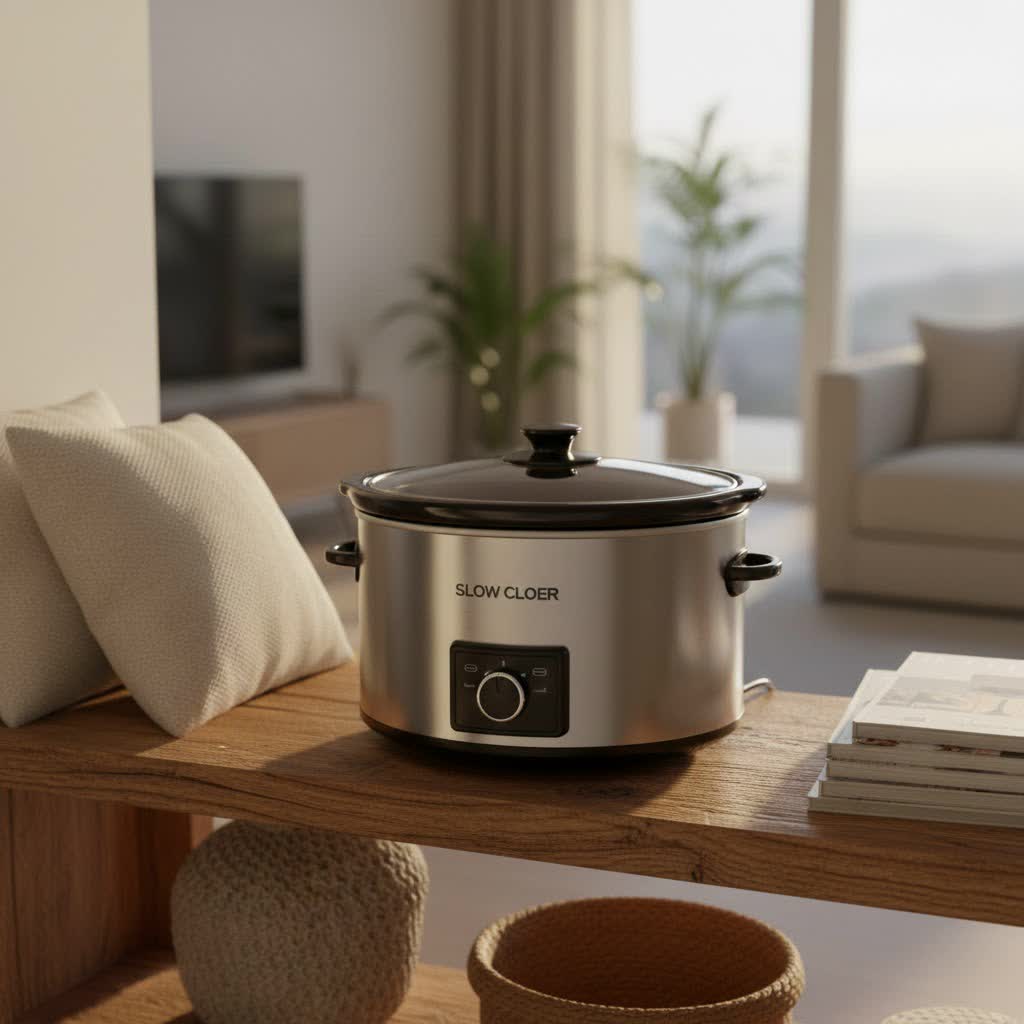
At its core, a slow cooker is an electric countertop appliance designed to cook food at low temperatures over an extended period. This gentle, consistent heat gradually breaks down tough cuts of meat and infuses flavors, resulting in tender, succulent dishes. Typically, a slow cooker consists of a heated base, a heavy ceramic or stoneware pot, and a tight-fitting lid that traps moisture and heat.
The concept of slow cooking has been around for centuries, but the modern electric slow cooker, often popularized by brands like Crock-Pot, emerged in the mid-20th century. Initially, these appliances offered simple “on/off” or “low/high” settings. However, technological advancements have transformed them into sophisticated “programmable slow cookers,” offering precise timing, automated temperature adjustments, and a host of smart features that elevate the cooking experience.
Why Should You Embrace a Programmable Slow Cooker?
The allure of the slow cooker is undeniable, and its programmable counterpart amplifies these benefits, making it an indispensable tool for modern households.
Firstly, programmable slow cookers are champions of time and effort saving. You can load ingredients in the morning, set the desired cooking time and temperature, and let the appliance handle the rest. This “set it and forget it” functionality is perfect for busy professionals or parents, allowing you to return home to a hot, ready-to-eat meal.
Secondly, slow cooking excels at retaining nutrition and enhancing flavor. The low, consistent heat minimizes nutrient loss that can occur with high-heat cooking methods. Furthermore, the extended cooking time allows ingredients to meld beautifully, developing rich, deep flavors that are hard to achieve otherwise. Tougher cuts of meat become incredibly tender, and spices infuse throughout the dish, creating a more satisfying culinary experience.
Programmable models also boast superior food safety and temperature control. Many are equipped with automatic temperature regulation that ensures food remains within safe zones throughout the cooking cycle. Crucially, they often include an automatic “keep warm” function, which kicks in once the cooking cycle is complete, preventing overcooking while maintaining a safe serving temperature for several hours. Some even feature built-in food thermometers that automatically switch to warm or shut off once a target internal temperature is reached.
Lastly, the versatility of a programmable slow cooker is remarkable. While traditionally used for stews, soups, and roasts, modern models can prepare an impressive array of dishes, from breakfast oats and yogurt to desserts and even baked goods. Many even offer multi-cooker capabilities, allowing you to sauté, steam, or sear within the same pot, further consolidating kitchen appliances.
The Evolution: Understanding Different Types of Slow Cookers
While the core function remains consistent, slow cookers have evolved into various types, each offering different levels of control and convenience.
- Manual Slow Cookers: These are the simplest models, typically featuring basic “Low,” “High,” and sometimes “Warm” settings. They require manual monitoring and turning off, making them less flexible for unattended cooking.
- Programmable Slow Cookers: This category offers significant upgrades. They come with digital controls, allowing you to set precise cooking times. Once the set time elapses, these models automatically switch to a “Warm” setting, ensuring your food stays ready without overcooking. This automation is a key benefit for busy individuals.
- Smart/Wi-Fi Enabled Slow Cookers: Representing the cutting edge, these slow cookers connect to your home Wi-Fi network. Through a smartphone app, you can remotely control cooking settings, monitor progress, adjust temperatures, and receive notifications, offering unparalleled flexibility.
- Multi-Cookers: These versatile appliances combine the functions of several kitchen gadgets, including slow cooking, pressure cooking, sautéing, steaming, and even making yogurt. While not exclusively slow cookers, their programmable nature and slow cooking mode make them a popular choice for many.
- Mini Slow Cookers: Designed for single servings, small households, or appetizers, these compact models usually have a capacity of 1.5 to 3 quarts. They often include programmable features but in a smaller footprint.
Comparative Overview of Slow Cooker Types
To help you visualize the differences, here’s a quick comparison of the main types:
| Feature | Manual Slow Cooker | Programmable Slow Cooker | Smart/Wi-Fi Slow Cooker |
|---|---|---|---|
| Price Range | $25 – $50 | $50 – $100 | $100 – $200+ |
| Control Type | Dial/Toggle | Digital Buttons/Screen | App-controlled, Digital Screen |
| Timer | No (manual off) | Yes (set cook time) | Yes (app control, remote access) |
| Auto Keep Warm | Sometimes | Yes | Yes |
| Advanced Features | Basic Low/High | Delay Start, Specific Modes | Remote Monitoring, Recipes, Alerts |
| Convenience | Moderate | High | Very High |
| Ideal For | Budget-conscious, simple meals | Busy individuals, meal planning | Tech-savvy, ultimate flexibility |
Essential Factors: Your Programmable Slow Cooker Buying Guide
Choosing the right programmable slow cooker involves considering several key aspects to ensure it perfectly fits your culinary needs and lifestyle.
Capacity
The first consideration is how much food you typically cook. Slow cookers perform best when filled between half and two-thirds full, so selecting the correct size is crucial.
- 1.5 – 3 Quarts: Ideal for single servings, couples, dips, or side dishes.
- 4 – 6 Quarts: The most popular size, suitable for families of 3-5 people. Perfect for everyday meals like roasts, stews, and chili.
- 7 Quarts and Up: Best for larger families (6+ people), entertaining, batch cooking, or preparing larger cuts of meat.
|
Our Picks for the Best Slow Cooker in 2026
As an Amazon Associate I earn from qualifying purchases.
|
||
| Num | Product | Action |
|---|---|---|
| 1 | Crock-Pot Large 8-Quart Programmable Slow Cooker with Auto Warm Setting Black Stainless Steel |

|
| 2 | Crock-Pot 7 Quart Oval Manual Slow Cooker, Stainless Steel (SCV700-S-BR), Versatile Cookware for Large Families or Entertaining |
|
| 3 | Ninja MC1101 Foodi Everyday Possible Cooker Pro, 8-in-1 Versatility, One-Pot Faster Cooking Replaces 10 Tools, Family-Sized Capacity with Adjustable Temp Control, 6.5 quarts, Midnight Blue |
|
| 4 | Crock-Pot 6 Quart Programmable Slow Cooker with Timer and Auto Food Warmer Setting, Stainless Steel |
|
| 5 | Crockpot SCV700-CH-BR Slow Cooker 7 quarts Charcoal |
|
| 6 | Ninja® 12-in-1 PossibleCooker™ PLUS - 8.5-qt - Sous Vide & Proof Multi-Cooker - Slow Cooker, Dutch Oven & More - Glass Lid & Integrated Spoon - Nonstick - Oven Safe Pot to 500°F - Black - MC1010 |
|
| 7 | Crock-Pot 6 Quart Cook & Carry Programmable Slow Cooker with Digital Timer Stainless Steel (CPSCVC60LL-S) pack of 1 |
|
| 8 | Crockpot Manual 7-Quart Slow Cooker Turquoise |
|
| 9 | Hamilton Beach Slow Cooker, Extra Large 10 Quart, Stay or Go Portable With Lid Lock, Dishwasher Safe Crock, Black (33195) |
|
| 10 | 4-Quart Classic Slow Cooker – Programmable Small Crock Pot for Stews, Soups, Meats & Easy Meals, Removable Stoneware & Dishwasher-Safe Lid, Black |
|
Material and Construction
The quality of materials directly impacts durability, heat distribution, and ease of cleaning.
- Crock/Pot: Most inserts are made of ceramic or stoneware. These materials provide even heat distribution and retention, are non-reactive, and often dishwasher-safe for easy cleanup. Some modern pots may have non-stick coatings or be made of metal, which can be lighter.
- Lid: Tempered glass lids are common, allowing you to monitor food without releasing heat. Many programmable slow cookers now feature locking lids, which are invaluable for safely transporting meals to potlucks or gatherings, preventing spills on the go.
- Exterior: Stainless steel exteriors offer a sleek look and are generally durable and easy to wipe clean.
Programmable Features
This is where programmable slow cookers truly shine. Look for features that align with your cooking habits:
- Digital Controls and Countdown Timer: Precise control over cooking duration.
- Automatic Keep-Warm Function: Essential for preventing food from overcooking while keeping it at a safe serving temperature.
- Delay Start: Allows you to set a timer for cooking to begin at a later point, ensuring food is fresh when you’re ready to eat.
- Specific Cooking Modes: Some models offer preset programs for different food types (e.g., poultry, beef, soup), which may optimize cooking temperatures and times.
- Built-in Temperature Probe: An advanced feature for ensuring meats are cooked to a precise internal temperature, automatically switching to warm when done.
- Wi-Fi Connectivity/App Control: For the ultimate convenience, manage your slow cooker from anywhere using your smartphone, adjusting settings, and monitoring progress remotely.
- Automatic Stirring Attachments: While less common, some models include an attachment that gently stirs your food periodically, promoting even cooking and flavor distribution.
Brand Reputation and Price
While it’s tempting to opt for the cheapest option, investing in a reputable brand often means better durability, reliable performance, and access to customer support. Brands like Crock-Pot, Cuisinart, Hamilton Beach, and Instant Pot (for multi-cookers with slow cook functions) are well-regarded. Prices for programmable slow cookers can range from $50 for basic models to over $200 for advanced smart multi-cookers. Consider your budget alongside the features you genuinely need.
Top Programmable Slow Cookers: What to Look For
When exploring popular models, you’ll often find programmable slow cookers praised for their user-friendly digital interfaces, accurate timers, and consistent performance. Many top-rated models excel in their automatic “keep warm” capabilities and offer a good range of cooking settings (low, high, simmer). Specific innovations like Crock-Pot’s MyTime technology, which automatically adjusts cooking cycles to ensure food is perfectly done at a user-specified mealtime, highlight the convenience modern programmable slow cookers offer.
Smart Usage and Care: Tips for Your Programmable Slow Cooker
To maximize the benefits and lifespan of your programmable slow cooker, follow these practical tips:
Maximizing Flavor and Efficiency
- Preheating: While not strictly necessary for all recipes, preheating your slow cooker (just like a conventional oven) can help ensure more consistent cooking from the start.
- Don’t Lift the Lid Too Often: Each time you lift the lid, significant heat escapes, adding at least 20-30 minutes to your cooking time. Trust the process and your programmable settings.
- Fill Appropriately: For best results, fill your slow cooker at least half full but no more than two-thirds full.
- Browning Meats: Although slow cookers tenderize well, browning meat in a separate pan before adding it to the pot can enhance flavor and create a richer color.
- Adding Dairy and Fresh Herbs: Incorporate dairy products (like milk or cheese) and fresh, tender herbs closer to the end of the cooking cycle to prevent curdling or loss of flavor.
Cleaning and Maintenance
- Dishwasher Safe Parts: Most ceramic or stoneware inserts and glass lids are dishwasher safe, making cleanup a breeze. Always check your model’s instructions.
- Slow Cooker Liners: For messy dishes like chili or stews, slow cooker liners are a game-changer. These heat-resistant bags fit inside the pot and eliminate scrubbing, turning cleanup into a simple lift-and-discard task.
- Exterior Cleaning: Wipe down the exterior heating unit with a damp cloth; never immerse it in water.
Prioritizing Safety: Essential Slow Cooker Precautions
Using your programmable slow cooker safely is paramount to prevent foodborne illness and appliance malfunctions.
- Food Temperature Zones: Ensure your ingredients are kept out of the “danger zone” (40°F to 140°F or 4°C to 60°C) for too long. If using the delay start function, ensure perishable ingredients are properly chilled before adding them.
- Thawing Meat: Always thaw frozen meat completely before placing it in the slow cooker, unless the recipe specifically accounts for frozen meat and higher cooking times. Adding frozen meat can keep the overall temperature in the danger zone for too long.
- Placement: Always place your slow cooker on a flat, stable, heat-resistant surface away from walls and flammable materials.
- Inspect Before Use: Before each use, quickly check the power cord and the pot for any cracks or damage. Do not use a damaged appliance.
- Unplug After Use: Once cooking is complete and you’ve served your meal, always unplug the slow cooker from the power outlet.
- Avoid Overfilling: Never fill the slow cooker beyond the recommended maximum fill line to prevent boiling over.
“A programmable slow cooker is more than just a convenience; it’s a tool for peace of mind, allowing you to create nourishing meals even on the busiest days without compromising on taste or safety.”
Conclusion
The programmable slow cooker has evolved into an intelligent kitchen companion, offering an unparalleled blend of convenience, versatility, and culinary precision. From setting specific cook times and automatically shifting to a warm setting, to advanced features like Wi-Fi connectivity and temperature probes, these appliances simplify meal preparation, allowing you to enjoy delicious, home-cooked food with minimal fuss. By understanding the different types, considering essential buying factors, and adhering to proper usage and safety guidelines, you can harness the full potential of this smart cooking device.
Are you ready to embrace effortless cooking and transform your daily routine with a programmable slow cooker?
Frequently Asked Questions
How long can food safely stay on the “Warm” setting in a programmable slow cooker?
Most manufacturers recommend that food should not be kept on the “Warm” setting for more than 2-4 hours after the cooking cycle is complete. While the warm setting maintains a safe temperature, prolonged holding can affect food quality and taste.
Can I put frozen meat directly into a programmable slow cooker?
It is generally not recommended to put large pieces of frozen meat directly into a slow cooker. The slow heating process means the meat may stay in the “danger zone” (40°F to 140°F) for too long, promoting bacterial growth. Always thaw meat completely before slow cooking.
What is the main difference between a slow cooker and a multi-cooker (like an Instant Pot)?
A slow cooker is designed specifically for cooking food slowly at low temperatures. A multi-cooker, while often including a slow cooker function, is a more versatile appliance capable of pressure cooking, sautéing, steaming, and more. If slow cooking is your primary need, a dedicated programmable slow cooker may be more straightforward and cost-effective.
Are slow cooker liners safe to use?
Yes, slow cooker liners are generally considered safe. They are made from food-grade, heat-resistant nylon or plastic and are designed to withstand the temperatures of slow cooking. They are a great convenience for easy cleanup.
