Imagine coming home after a long day to the enticing aroma of a perfectly cooked meal, ready to serve with minimal effort. This dream becomes a reality with a slow cooker, a kitchen workhorse that has transformed how busy individuals and families approach home cooking. Far beyond just a convenience appliance, the humble slow cooker is a secret weapon for tender meats, rich stews, and flavorful dishes, all while saving you precious time and energy. If you’ve ever wondered how to achieve delicious, slow-cooked perfection without being tethered to your stove, this comprehensive guide will navigate you through everything you need to know, from understanding its basics to selecting the ideal model for your kitchen.
What is a Slow Cooker?
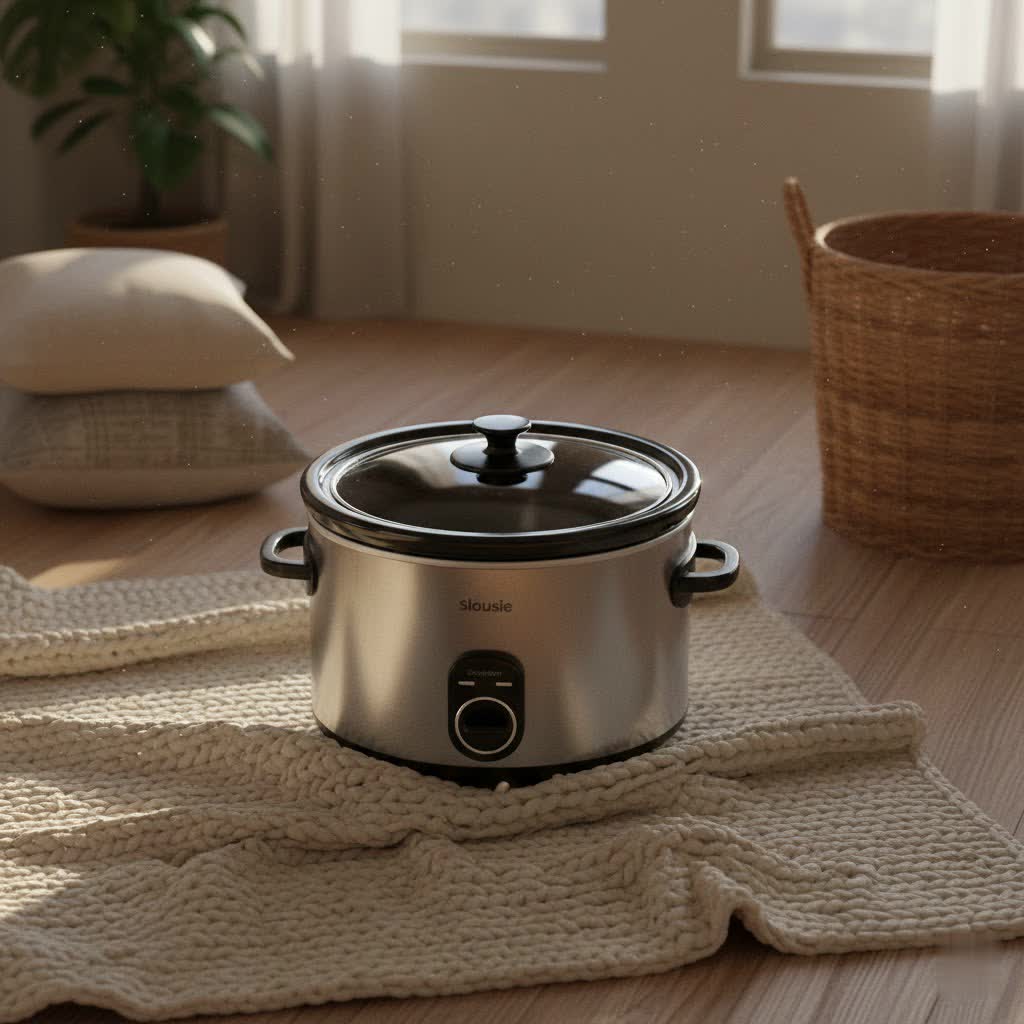
A slow cooker is a countertop electrical cooking appliance designed to simmer food at low, consistent temperatures over an extended period, typically several hours. Its primary function is to facilitate unattended cooking, allowing ingredients to gently meld and tenderize. The magic happens within its core components: an outer housing containing a heating element, a heavy cooking vessel (often called a “crock” or “insert”) usually made of ceramic or stoneware, and a tight-fitting lid. The heating element, typically located at the bottom and sometimes along the sides, gently heats the food. This low-and-slow method, coupled with the sealed lid, traps moisture and natural juices, resulting in exceptionally moist and flavorful dishes.
The slow cooker’s history traces back to the 1940s in the United States, gaining popularity as more women entered the workforce. The idea was to allow home cooks to start a meal in the morning and return to a ready-to-eat dinner. The Naxon Beanery All-Purpose Cooker, patented by Irving Naxon, was an early precursor, inspired by traditional long-cooking stews. The Rival Company later acquired Naxon’s patent in 1970 and revolutionized the appliance, making the “Crock-Pot” a household name—a brand that has since become synonymous with the slow cooker itself.
Why Use a Slow Cooker?
The benefits of incorporating a slow cooker into your culinary routine are extensive, making it an invaluable tool for any home cook.
First and foremost, slow cookers are champions of time and effort saving. With a “set it and forget it” approach, you can prepare ingredients in the morning, load them into the cooker, and let it work its magic throughout the day. This convenience means you return home to a hot, homemade meal, eliminating last-minute cooking stress during busy evenings.
Beyond convenience, slow cooking excels at preserving nutrition and enhancing flavor. The gentle, prolonged heat breaks down tough cuts of meat and vegetables, rendering them incredibly tender and allowing flavors to develop depth that hurried cooking methods simply can’t achieve. This process also helps retain water-soluble vitamins that might be lost with more aggressive boiling.
Versatility is another key advantage. Slow cookers are incredibly adaptable, capable of preparing a vast array of dishes. From hearty stews, chili, and soups to succulent roasts, pulled pork, and even desserts like cobblers or cheesecakes, the possibilities are extensive. Some advanced models can even tackle breakfast casseroles or keep appetizers warm for parties.
Finally, slow cookers are safe and easy to use. They operate at controlled temperatures, reducing the risk of burning food. Modern units often come with automatic “keep warm” settings, ensuring food stays at a safe serving temperature after cooking is complete. They are also remarkably energy-efficient, using about as much power as a few light bulbs, which can be a relief on your utility bill and help keep your kitchen cool, especially during warmer months when using an oven is undesirable.
Popular Types of Slow Cookers
The slow cooker market offers a variety of models, each catering to different needs and preferences. Understanding these types will help you choose the best fit for your lifestyle.
Manual Slow Cookers are the most basic and often the most budget-friendly option. They typically feature a simple dial with “Low,” “High,” and “Warm” settings. These straightforward appliances are perfect for those who appreciate simplicity and don’t require advanced features, allowing you to manually control the cooking time.
Programmable Slow Cookers elevate convenience with digital controls and built-in timers. You can set a specific cooking duration, after which the cooker will often automatically switch to a “Warm” setting. This automation is ideal for busy schedules, ensuring your meal is perfectly cooked and ready when you are, without overcooking.
Multi-Cookers are versatile appliances that combine the functions of a slow cooker with other cooking methods, such as pressure cooking, sautéing, searing, or steaming. While some multi-cookers offer a slow cook function, dedicated slow cookers often provide more consistent low-and-slow results. However, models specifically designed with robust slow-cook modes can offer fantastic flexibility.
Mini Slow Cookers, usually with capacities ranging from 1.5 to 3 quarts, are perfect for smaller households, single servings, or for keeping dips and sauces warm during entertaining. They’re compact, easy to store, and ideal for side dishes or intimate meals.
Comparison Table of Slow Cooker Types
| Feature | Manual Slow Cooker | Programmable Slow Cooker | Multi-Cooker (with Slow Cook) | Mini Slow Cooker |
|---|---|---|---|---|
| Price | Budget-friendly | Mid-range | Higher-end | Very affordable |
| Capacity | Various (often 4-7 quarts) | Various (often 4-8 quarts) | Various (often 6-8 quarts) | Small (1.5-3 quarts) |
| Functions | Low, High, Warm | Low, High, Warm, Digital Timer, Auto-Warm | Pressure Cook, Sauté, Sear, Steam, Slow Cook, etc. | Low, High, Warm |
| Material | Ceramic/Stoneware insert (common) | Ceramic/Stoneware or Metal insert | Metal insert (often non-stick) | Ceramic/Stoneware insert |
| Pros | Simple, reliable, affordable | Set-and-forget convenience, precise timing | Highly versatile, can brown in same pot | Compact, good for small meals/dips |
| Cons | No timer, requires manual switching | Can be more expensive than manual | Slow cook function may be less optimized, complex | Limited capacity |
Factors to Consider When Buying a Slow Cooker
Choosing the perfect slow cooker involves more than just picking a pretty design. Several key factors will influence its suitability for your cooking habits and household needs.
Capacity
The size of your slow cooker is paramount. You want a model that’s large enough for your typical meals but not excessively so, as slow cookers work best when filled between one-half and three-quarters full.
- 1.5-3 Quarts: Ideal for single servings, small side dishes, dips, or couples.
- 4-6 Quarts: The most common and versatile size, suitable for families of 3-5 people, accommodating whole chickens or average-sized roasts.
- 7-8+ Quarts: Perfect for larger families, entertaining, potlucks, or batch cooking.
Consider the shape too: oval cookers are better for larger cuts of meat like roasts or whole poultry, while round cookers are excellent for soups, stews, and baking.
|
Our Picks for the Best Slow Cooker in 2026
As an Amazon Associate I earn from qualifying purchases.
|
||
| Num | Product | Action |
|---|---|---|
| 1 | 4-Quart Classic Slow Cooker – Programmable Small Crock Pot for Stews, Soups, Meats & Easy Meals, Removable Stoneware & Dishwasher-Safe Lid, Black |

|
| 2 | Hamilton Beach Slow Cooker, Extra Large 10 Quart, Stay or Go Portable With Lid Lock, Dishwasher Safe Crock, Black (33195) |
|
| 3 | Ninja MC1101 Foodi Everyday Possible Cooker Pro, 8-in-1 Versatility, One-Pot Faster Cooking Replaces 10 Tools, Family-Sized Capacity with Adjustable Temp Control, 6.5 quarts, Midnight Blue |
|
| 4 | Crock-Pot 6 Quart Cook & Carry Programmable Slow Cooker with Digital Timer Stainless Steel (CPSCVC60LL-S) pack of 1 |
|
| 5 | Crock-Pot 7 Quart Oval Manual Slow Cooker, Stainless Steel (SCV700-S-BR), Versatile Cookware for Large Families or Entertaining |
|
| 6 | Crockpot Manual 7-Quart Slow Cooker Turquoise |
|
| 7 | Ninja® 12-in-1 PossibleCooker™ PLUS - 8.5-qt - Sous Vide & Proof Multi-Cooker - Slow Cooker, Dutch Oven & More - Glass Lid & Integrated Spoon - Nonstick - Oven Safe Pot to 500°F - Black - MC1010 |
|
| 8 | Crockpot SCV700-CH-BR Slow Cooker 7 quarts Charcoal |
|
| 9 | Crock-Pot Large 8-Quart Programmable Slow Cooker with Auto Warm Setting Black Stainless Steel |
|
| 10 | Crock-Pot 6 Quart Programmable Slow Cooker with Timer and Auto Food Warmer Setting, Stainless Steel |
|
Material
The material of the cooking vessel (the “crock” or “insert”) impacts performance, weight, and cleaning.
- Ceramic or Stoneware: These are traditional, heavy materials known for excellent heat retention and even cooking. They’re durable and often dishwasher safe, but can be prone to breaking if dropped and are typically not safe for stovetop searing.
- Metal (Coated Aluminum or Steel): Increasingly popular, these inserts are lighter, more durable, and often feature non-stick coatings. A significant advantage is that many metal inserts are stovetop-safe, allowing you to sear meats or sauté vegetables directly in the pot before slow cooking, minimizing dirty dishes. Look for “PFOA-free” or “PFAS-free” coatings for healthier cooking.
Functions
Beyond the basic “High,” “Low,” and “Warm” settings, modern slow cookers offer a range of features to enhance convenience and versatility.
- Programmable Timer: Essential for hands-off cooking, allowing you to set a precise cooking duration and often automatically switching to “Warm” afterwards.
- Temperature Probe: Some advanced models include a probe that monitors the internal temperature of your food and automatically adjusts cooking or switches to warm once a target temperature is reached, ensuring perfect doneness, especially for meats.
- Sauté/Sear Function: Found in multi-cookers or slow cookers with metal inserts, this allows you to brown ingredients directly in the cooking pot, building flavor before the slow cooking process begins.
- Defrost Function: A feature in some newer models that safely defrosts frozen food before initiating slow cooking, adhering to food safety guidelines.
- Keep Warm Setting: A standard feature that holds food at a safe serving temperature without continuing to cook it.
- Lid Lock: Ideal for portability, preventing spills during transport to parties or potlucks.
Brand
While “Crock-Pot” is often used generically, several reputable brands offer high-quality slow cookers.
- Crock-Pot: The original and a leader in the market, offering a wide range from basic to advanced.
- Hamilton Beach: Known for innovative features and reliable performance at various price points.
- All-Clad & Cuisinart: Often cater to the higher-end market with premium materials and multi-functional capabilities.
- GreenLife & Beautiful by Drew Barrymore: Offer stylish designs with an emphasis on non-toxic coatings.
Researching user reviews for specific models from these brands can provide valuable insights into their real-world performance and durability.
Price
Slow cooker prices vary significantly, typically ranging from $20 for basic manual models to over $200 for advanced multi-cookers with premium features. Your budget will naturally guide your choice, but consider the long-term value. A slightly higher investment might be worthwhile for features that genuinely enhance your cooking experience, like a programmable timer or a stovetop-safe insert.
Top Slow Cookers Today
While specific models change, these categories represent the top-performing and most sought-after slow cookers, reflecting modern trends and user needs:
- Best Overall for Versatility: Look for models that expertly balance programmable features with reliable slow-cooking performance. These often include digital timers, auto-warm functions, and sometimes a temperature probe to ensure dishes are cooked to perfection without overdoing it. Many top picks in this category also boast a removable stoneware or non-stick metal insert that’s easy to clean.
- Best Budget-Friendly Option: Simple manual slow cookers remain incredibly popular for their straightforward operation and affordability. They prove that you don’t need all the bells and whistles to achieve tender, flavorful slow-cooked meals. These models typically feature just “High,” “Low,” and “Warm” settings.
- Best for Large Families or Entertaining: Opt for 7-8 quart capacity slow cookers. These larger units are indispensable for feeding a crowd, preparing big batches of chili, stew, or a substantial roast. Programmable large-capacity models offer the best convenience for these larger meals.
- Best for Small Servings or Dips: Mini slow cookers (1.5-3 quarts) are perfect. They’re compact, ideal for preparing meals for one or two people, or for keeping appetizers like cheese dip or meatballs warm during gatherings.
- Best for Advanced Features: High-end models often integrate a “sear” function that allows you to brown meat directly in the cooking pot before slow cooking, enhancing flavor and reducing cleanup. Others may include specialized defrosting, steaming, or even sous vide capabilities, transforming your slow cooker into a true multi-tasker.
Tips for Using and Maintaining Your Slow Cooker
To get the most out of your slow cooker and ensure its longevity, follow these practical tips for usage and care.
Usage Tips:
- Don’t Overfill or Underfill: For optimal performance, fill your slow cooker between half and three-quarters full. Too little food can overcook, while too much may not cook evenly.
- Resist Lifting the Lid: Every time you lift the lid, a significant amount of heat and steam escapes, adding approximately 20-30 minutes to the cooking time as the appliance works to regain temperature.
- Use Enough Liquid: Slow cookers retain moisture well, so you’ll typically need less liquid than conventional recipes. However, ensure there’s enough liquid to cover the ingredients, especially meat and vegetables, to prevent drying out and ensure even cooking.
- Add Delicate Ingredients Later: Dairy products like milk, sour cream, and cheese, or fresh herbs, can curdle or lose flavor when cooked for extended periods. Stir them in during the last 30 minutes to an hour of cooking.
- Preheating (Optional but Recommended): Some experts suggest preheating your slow cooker with liquid on high for about 20-30 minutes before adding ingredients, especially for raw meat, to ensure it reaches a safe cooking temperature quickly.
Maintenance Tips:
- Easy Cleaning: Most stoneware or ceramic inserts are dishwasher safe, making cleanup a breeze. For metal inserts with non-stick coatings, handwashing with warm, soapy water is often recommended to preserve the coating.
- Address Lingering Odors: If your crock retains odors, a paste of baking soda and water left overnight can help neutralize them. Alternatively, fill the insert with water, add a cup of white vinegar, and run it on low for a few hours.
- Storage: Ensure your slow cooker is completely dry before storing to prevent mildew. Store the lid separately or inverted to allow for air circulation.
Safety Precautions When Using a Slow Cooker
While slow cookers are designed for safe, unattended operation, it’s crucial to follow a few safety guidelines to prevent issues.
- Inspect Before Use: Always check the cooking pot for any cracks or chips, and the electrical cord for frays or damage. Never use a damaged slow cooker.
- Proper Placement: Position your slow cooker on a flat, stable, heat-resistant surface, away from walls, curtains, or anything flammable. Ensure good ventilation around the unit.
- Food Safety First: Always thaw frozen meat before placing it in a slow cooker, unless your specific model has a dedicated defrost function. Ensure raw meat and vegetables are cooked at appropriate temperatures to kill bacteria and break down toxins (e.g., in kidney beans, which should be boiled vigorously for at least 10 minutes before slow cooking).
- Don’t Leave Perishables Out Too Long: While cooking, the internal temperature will rise, but don’t leave uncooked ingredients sitting at room temperature in the slow cooker for more than two hours before turning it on.
- Unplug After Use: Once cooking is complete and you’ve served your meal, always unplug the slow cooker from the outlet.
- Beware of Steam: When removing the lid, lift it away from your face to avoid burns from escaping steam. Always use oven mitts when handling hot inserts.
Conclusion
The slow cooker remains a timeless kitchen companion, perfectly blending convenience with delicious results. It empowers you to create nourishing, flavorful meals with minimal hands-on time, transforming busy weeknights and making entertaining a breeze. Whether you’re a seasoned cook or just starting your culinary journey, understanding the different types, key features, and proper usage will help you harness its full potential. By considering capacity, material, and functions, you can select a slow cooker that aligns perfectly with your cooking style and household needs.
Ready to simplify your cooking and unlock a world of tender, flavorful dishes? Embrace the slow cooker and discover how effortless delicious home-cooked meals can be. What will be the first mouth-watering dish you create?
Frequently Asked Questions
Can you put raw meat directly into a slow cooker?
Yes, you can put raw meat directly into a slow cooker. However, for best results and to enhance flavor, browning meat in a separate pan before adding it to the slow cooker is often recommended. If using a multi-cooker with a sear function, you can do this directly in the slow cooker insert. Always ensure the meat reaches a safe internal temperature during cooking.
How long can food stay in a slow cooker on the “Warm” setting?
Most manufacturers recommend not keeping food on the “Warm” setting for more than 2 to 4 hours after cooking is complete. While the warm setting maintains a safe temperature, prolonged holding can affect food quality and texture. Always refer to your slow cooker’s manual for specific guidelines.
Is it safe to leave a slow cooker unattended all day?
Yes, modern slow cookers are designed for safe, unattended cooking. As long as the appliance is in good condition, placed on a stable surface away from flammable items, and filled appropriately, it is generally safe to leave it on while you are away from home, especially on the “Low” setting.
Can I use a slow cooker to reheat food?
While a slow cooker can keep food warm, it is not ideal for reheating cold food as it takes too long to reach a safe reheating temperature. For reheating, it’s generally better to use a microwave, oven, or stovetop to quickly bring food to 165°F (74°C) to prevent bacterial growth.
What’s the difference between a slow cooker and a Crock-Pot?
There is no functional difference. “Crock-Pot” is a specific brand name of slow cooker, much like “Kleenex” is a brand name for facial tissue. All Crock-Pots are slow cookers, but not all slow cookers are Crock-Pots.
