In today’s fast-paced world, finding time to prepare nutritious, flavorful meals can feel like a luxury. The humble slow cooker has long been a kitchen hero, but the evolution to digital models has transformed how we approach home cooking. Imagine stepping through your door to the enticing aroma of a perfectly cooked dinner, ready to enjoy without a moment’s fuss. That’s the promise of a Digital Slow Cooker: convenience, precision, and mouth-watering results for every busy household. This guide will explore everything you need to know about these advanced appliances, helping you unlock a world of effortless culinary possibilities.
What is a Digital Slow Cooker?
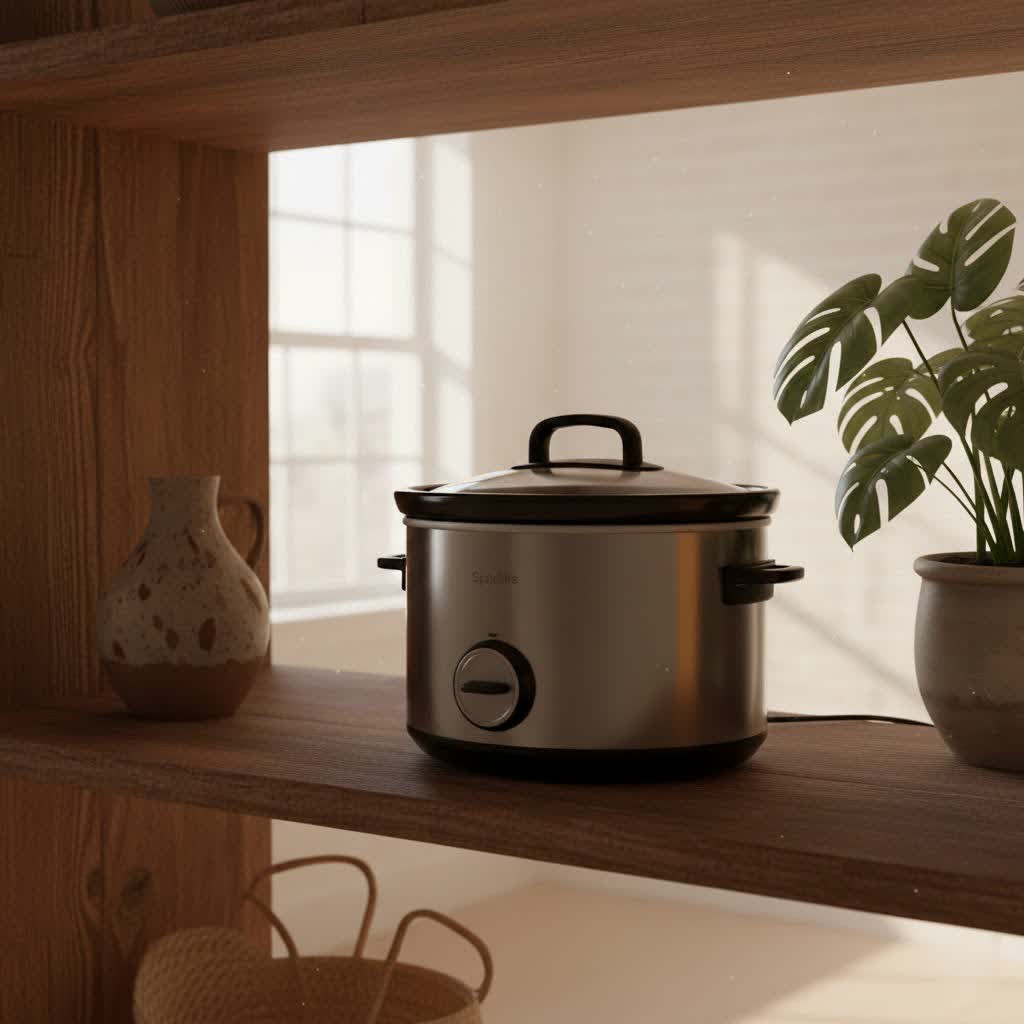
A digital slow cooker is an enhanced version of the traditional manual slow cooker, designed with integrated electronic controls to offer greater precision and convenience. At its core, it’s an electrical appliance that cooks food slowly at a low temperature over several hours, allowing flavors to meld beautifully and tougher cuts of meat to become incredibly tender. The primary difference lies in its control panel: instead of simple “low,” “high,” and “warm” dial settings, digital models feature programmable timers and temperature controls, often with an easy-to-read display.
The concept of slow cooking dates back to the early 20th century with devices like the “bean pot,” but it gained widespread popularity in the 1970s with the introduction of the Crock-Pot. As technology advanced, so did these appliances. Today’s digital slow cookers move beyond basic functionality, incorporating microprocessors to offer precise control over the cooking process.
Key components of a digital slow cooker typically include a heating base, a removable cooking pot (often made of ceramic or stoneware), a lid (usually glass), and a digital control panel. The heating base houses the heating elements, which evenly distribute low heat around the cooking pot. The removable pot is where your ingredients simmer, and it’s often dishwasher-safe for easy cleaning. The digital control panel, with its buttons and display, is the brain of the operation, allowing you to program cooking times, select temperatures, and utilize advanced features like delay start or automatic warming.
Why Choose a Digital Slow Cooker?
Opting for a digital slow cooker offers a wealth of benefits that streamline meal preparation and elevate your cooking experience. The primary appeal lies in the ability to save significant time and effort in the kitchen. With programmable settings, you can add your ingredients in the morning, set the timer, and let the appliance work its magic while you go about your day. This “set it and forget it” functionality is a game-changer for busy professionals and families.
Digital slow cookers are renowned for their capacity to retain the full nutrition and rich flavors of your ingredients. The low and slow cooking method breaks down tough fibers in meats, rendering them incredibly tender and juicy, while allowing spices and herbs to infuse deeply into the dish. This gentle cooking process also helps preserve more vitamins and minerals compared to high-heat methods.
The versatility of dishes you can prepare in a digital slow cooker is astounding. From hearty stews, chili, and pot roasts to succulent pulled pork, soups, and even desserts like cobblers and cheesecakes, the possibilities are vast. Some advanced models even offer functions for searing, steaming, or making yogurt, consolidating multiple appliances into one.
Safety and ease of use are also hallmarks of digital slow cookers. Their automated functions mean less supervision is required, reducing the risk of overcooking or burning food. Features like automatic shut-off and switching to a “keep warm” setting ensure your meal is ready and safe to eat whenever you are. The intuitive digital interfaces often make setting desired temperatures and times straightforward, even for novice cooks.
Types of Slow Cookers: Digital Dominance
While the market offers a range of slow cookers, understanding the distinctions helps highlight the advantages of digital models.
-
Manual Slow Cooker: These are the most basic type, featuring a simple dial with settings like “Low,” “High,” and sometimes “Warm.” They require manual intervention to change settings or turn off. While affordable and straightforward, they lack the programming flexibility of digital models. If you’re delayed getting home, food might overcook on a manual setting.
-
Digital (Programmable) Slow Cooker: This is our focus. Digital slow cookers come with electronic controls and a timer, allowing you to set precise cooking durations (e.g., from 30 minutes up to 24 hours) and temperatures. Once the set cooking time is complete, many models automatically switch to a “Keep Warm” setting, preventing overcooking and ensuring your meal is ready when you are. Some advanced digital slow cookers offer a “delay start” feature, letting you program when cooking begins.
-
Multi-Cooker with Slow Cook Function: Many modern multi-cookers, such as Instant Pots, include a slow cooker setting among their numerous functions (pressure cooking, sautéing, steaming, etc.). These offer ultimate versatility but might have slightly different performance for slow cooking compared to a dedicated slow cooker. Their digital interfaces are typically advanced, providing extensive control.
-
Mini Slow Cooker: Available in both manual and digital versions, mini slow cookers (typically 1.5 to 3 quarts) are perfect for single servings, small households, side dishes, or keeping dips warm at parties. Digital mini slow cookers offer the same programmable benefits in a compact size.
Digital Slow Cooker Comparison Chart
| Feature / Type | Manual Slow Cooker | Digital (Programmable) Slow Cooker | Multi-Cooker (with Slow Cook) |
|---|---|---|---|
| Price Range | Low to Moderate | Moderate to High | Moderate to High |
| Dung tích | Various (1.5-8+ Quarts) | Various (1.5-8+ Quarts) | Various (3-8+ Quarts) |
| Functions | High, Low, Warm (manual) | Programmable Timer, Auto-Warm, Delay Start, Preset functions (some) | Pressure Cook, Sauté, Steam, Slow Cook, etc. |
| Material (Crock) | Ceramic, Stoneware | Ceramic, Stoneware, Non-stick Metal | Stainless Steel, Non-stick Metal |
| Ưu điểm | Simple, Affordable, Reliable | Precise control, Convenience, Prevent overcooking, Versatile | Highly versatile, Space-saving, Fast cooking (pressure cook) |
| Nhược điểm | Less flexible, Requires monitoring | Higher initial cost, Can reset during power outage | May not be specialized for slow cooking, More complex to learn |
Buying Guide: Essential Factors for Your Digital Slow Cooker
Choosing the perfect digital slow cooker involves considering several key factors to ensure it meets your specific needs and cooking style.
Capacity
Determining the right size is crucial for efficient cooking. A slow cooker performs best when filled between one-half and three-quarters full.
- Small households (1-2 people) or dips/sides: A 1.5 to 3-quart slow cooker is ideal.
- Medium families (3-4 people): A 4-quart model is usually sufficient for everyday meals.
- Larger families (5+ people) or for meal prepping/entertaining: A 6-quart or 7-quart slow cooker provides ample space for roasts, whole chickens, or large batches of soup.
- Very large gatherings (8+ people): An 8-quart or larger capacity might be necessary.
|
Our Picks for the Best Slow Cooker in 2026
As an Amazon Associate I earn from qualifying purchases.
|
||
| Num | Product | Action |
|---|---|---|
| 1 | Crock-Pot 6 Quart Programmable Slow Cooker with Timer and Auto Food Warmer Setting, Stainless Steel |

|
| 2 | Crockpot Manual 7-Quart Slow Cooker Turquoise |
|
| 3 | Crockpot SCV700-CH-BR Slow Cooker 7 quarts Charcoal |
|
| 4 | Ninja® 12-in-1 PossibleCooker™ PLUS - 8.5-qt - Sous Vide & Proof Multi-Cooker - Slow Cooker, Dutch Oven & More - Glass Lid & Integrated Spoon - Nonstick - Oven Safe Pot to 500°F - Black - MC1010 |
|
| 5 | 4-Quart Classic Slow Cooker – Programmable Small Crock Pot for Stews, Soups, Meats & Easy Meals, Removable Stoneware & Dishwasher-Safe Lid, Black |
|
| 6 | Crock-Pot Large 8-Quart Programmable Slow Cooker with Auto Warm Setting Black Stainless Steel |
|
| 7 | Hamilton Beach Slow Cooker, Extra Large 10 Quart, Stay or Go Portable With Lid Lock, Dishwasher Safe Crock, Black (33195) |
|
| 8 | Crock-Pot 6 Quart Cook & Carry Programmable Slow Cooker with Digital Timer Stainless Steel (CPSCVC60LL-S) pack of 1 |
|
| 9 | Crock-Pot 7 Quart Oval Manual Slow Cooker, Stainless Steel (SCV700-S-BR), Versatile Cookware for Large Families or Entertaining |
|
| 10 | Ninja MC1101 Foodi Everyday Possible Cooker Pro, 8-in-1 Versatility, One-Pot Faster Cooking Replaces 10 Tools, Family-Sized Capacity with Adjustable Temp Control, 6.5 quarts, Midnight Blue |
|
Material
The material of the cooking pot (crock) affects heat distribution, durability, and cleaning.
- Ceramic or Stoneware: These are common, known for excellent heat retention and even cooking. They are typically heavy and can sometimes be oven-safe. They are generally considered safe and durable.
- Non-stick Metal (e.g., aluminum with non-stick coating): Lighter than ceramic, some metal inserts are stovetop-safe, allowing you to sear ingredients directly before slow cooking. Look for PFOA/PFAS-free coatings for health safety.
- Stainless Steel: Less common for the inner pot but found in some multi-cookers. Durable and easy to clean.
Always ensure the materials are food-grade and free from harmful chemicals.
Features
The digital controls offer a range of features that enhance convenience.
- Programmable Timer: This is a core digital feature, allowing you to set precise cooking durations.
- Automatic Keep Warm: Once the cooking cycle is complete, the slow cooker automatically switches to a low “warm” setting to keep food at a safe serving temperature. This is essential for preventing overcooking if you’re not home immediately.
- Delay Start: This feature lets you load ingredients and program the slow cooker to begin cooking at a later time, ensuring your meal is fresh when you want it.
- Temperature Probe: Some advanced models include a probe that measures the internal temperature of meat and automatically switches to “warm” when the desired doneness is reached, ensuring perfectly cooked protein.
- Preset Functions: Specific buttons for “Meat,” “Poultry,” “Stew,” etc., can simplify operation for common recipes.
- Wi-Fi Connectivity: High-tech models can be controlled remotely via a smartphone app, allowing you to adjust settings, start, stop, or monitor your meal from anywhere.
- Lid Features: Hinged lids reduce countertop mess, while locking lids are excellent for safe transport to potlucks. Some even include built-in spoon rests.
Consider your cooking habits: do you need basic programmable features, or would smart connectivity enhance your lifestyle?
Brand
Many reputable brands offer reliable digital slow cookers. Some popular choices include:
- Crock-Pot: The original slow cooker brand, offering a wide range of models from basic to advanced digital and connected versions. Known for reliability.
- Hamilton Beach: Provides a good balance of features, performance, and affordability, often including innovative options like temperature probes.
- Cuisinart: Offers premium models with multi-cooker capabilities and robust construction.
- Ninja: Popular for versatile multi-cookers that often include powerful slow cook functions.
- All-Clad: A high-end brand known for durable construction and excellent cooking performance, often with multi-functional capabilities.
- Black+Decker, GreenLife, Morphy Richards: These brands offer solid, often budget-friendly, digital slow cooker options with essential features.
Researching user reviews for specific models from these brands can provide valuable insights into their real-world performance and durability.
Price
Digital slow cookers vary in price based on capacity, features, and brand.
- Entry-level digital models: Can be found in the $40-$70 range, offering basic programmable timers and auto-warm functions.
- Mid-range models: ($70-$150) often include features like delay start, temperature probes, and a wider selection of preset functions.
- High-end or multi-cookers with slow cook function: Can range from $150 to $350+, featuring Wi-Fi connectivity, premium materials, and numerous cooking modes.
Determine your budget and prioritize the features that are most important to you to find the best value.
Top Digital Slow Cookers on the Market
The market is rich with excellent digital slow cooker options, each with unique advantages. Here are a few examples of highly-rated models that showcase the best of current technology:
- Crock-Pot Programmable 6-Quart Slow Cooker: Often praised for its intuitive digital interface, reliable performance, and automatic keep-warm function, making it a household favorite for everyday meals. It offers a good balance of capacity and programmable features for a reasonable price.
- Hamilton Beach Set & Forget Programmable Slow Cooker with Temperature Probe: This model stands out for its integrated temperature probe, which allows for precise cooking to a specific internal temperature, preventing over- or under-cooking. Its clip-tight lid also makes it portable for gatherings.
- Cuisinart 3-in-1 Cook Central Multi-Cooker: While more than just a slow cooker, its digital slow cook function is highly effective. It boasts additional capabilities like sauté/brown and steam, providing exceptional versatility for one-pot meals, though it comes at a higher price point.
- Ninja Foodi PossibleCooker Pro: Another multi-functional powerhouse, this appliance combines various cooking methods, including an excellent digital slow cook setting. Its lightweight non-stick pot and easy-to-clean design make it a popular choice for those seeking an all-in-one solution.
- Beautiful by Drew Barrymore 6-Quart Programmable Slow Cooker: This option is noted for its aesthetic appeal, modern touch-activated digital display, and preset functions, making it a stylish yet functional addition to any kitchen.
When selecting from top models, consider which features align best with your cooking habits and lifestyle. Reading recent reviews can also offer insights into long-term durability and user satisfaction.
Tips for Using and Maintaining Your Digital Slow Cooker
Getting the most out of your digital slow cooker involves a few key tips for both usage and care.
How to Use Your Digital Slow Cooker Correctly:
- Read the Manual: Always start by consulting your specific model’s instruction manual to understand its unique features and settings.
- Fill Appropriately: For optimal cooking, fill your slow cooker at least halfway, but no more than three-quarters full. Underfilling can lead to overcooking, while overfilling can result in uneven cooking or spillage.
- Layer Ingredients: Place tougher, denser vegetables (like carrots and potatoes) at the bottom, as they take longer to cook and benefit from being closer to the heat source. Meats should go next, followed by softer vegetables and liquids.
- Avoid Lifting the Lid: Resist the urge to peek! Each time you lift the lid, the temperature inside drops significantly, adding about 20-30 minutes to your cooking time.
- Use the “Keep Warm” Setting Wisely: The “Warm” setting is designed to maintain the temperature of already cooked food, not to cook it. Do not cook food on the “Warm” setting, and it’s generally not recommended to keep food on this setting for more than 4 hours for food safety.
- Adjust Recipes: Many recipes are developed for manual slow cookers. Digital timers allow for more precision, so you might find you need to slightly adjust cooking times based on your specific model and desired doneness.
Tips for Delicious Slow-Cooked Meals:
- Brown Meats First (Optional but Recommended): While not strictly necessary for slow cooking, browning meat in a separate pan before adding it to the slow cooker can add a richer depth of flavor and better texture. Some multi-cookers allow you to sear directly in the pot.
- Don’t Over-Add Liquid: Slow cookers retain moisture very well, so you often need less liquid than traditional stovetop recipes.
- Add Dairy and Fresh Herbs Later: Ingredients like milk, cream, cheese, and delicate fresh herbs are best added towards the end of the cooking cycle to prevent curdling or loss of flavor.
- Defrost Thoroughly: Always ensure meat is fully thawed before placing it in a slow cooker to ensure even cooking and food safety.
Cleaning and Storage:
- Unplug After Use: Always unplug the appliance from the outlet once cooking is complete and before cleaning.
- Clean Removable Parts: The cooking pot and lid are typically dishwasher-safe or can be washed by hand with warm, soapy water. Avoid abrasive cleaners that could damage non-stick surfaces.
- Wipe Down Base: Use a damp cloth to wipe the exterior heating base clean. Never immerse the heating base in water.
- Store Properly: Ensure all parts are dry before storing. Store the slow cooker in a cool, dry place. If space is an issue, some models allow the lid to be inverted for more compact storage.
Safety Precautions for Digital Slow Cooker Use
While digital slow cookers are designed for safe, unattended operation, it’s vital to follow certain precautions to prevent accidents and ensure food safety.
- Inspect Before Use: Always check the power cord, plug, and the appliance itself for any signs of damage before each use. Never operate a damaged slow cooker.
- Proper Placement: Place your slow cooker on a stable, level, heat-resistant surface, away from the edge of countertops where it could be knocked over. Ensure it’s away from walls, curtains, or other flammable materials to allow for adequate ventilation. Keep it out of reach of children and pets.
- Power Outages: A significant safety concern with digital models is power interruption. If the power goes out, even briefly, the digital settings on many slow cookers will reset, stopping the cooking process. If you are unaware of how long the power was off, it’s safest to discard the food as it may not have cooked thoroughly or been kept at a safe temperature.
- Handling Hot Components: The exterior of the slow cooker, the lid, and especially the inner pot become very hot during operation. Always use oven mitts or heat-resistant gloves when handling these parts, and be cautious of escaping steam when opening the lid to prevent burns.
- Do Not Overfill: As mentioned, overfilling can lead to boiling over and create a mess, but it can also prevent proper cooking, posing a food safety risk.
- Unplug When Done: Once cooking is complete and the food is served or stored, unplug the slow cooker from the electrical outlet.
- Never Immerse the Base: The heating base of the slow cooker contains electrical components and should never be immersed in water or any other liquid.
By adhering to these safety guidelines, you can confidently enjoy the convenience and delicious results that a digital slow cooker brings to your kitchen.
Conclusion
The digital slow cooker has evolved into an indispensable tool for modern households, offering an unparalleled blend of convenience, precision, and culinary versatility. With features like programmable timers, automatic keep-warm functions, and even smart connectivity, these appliances empower you to create delicious, home-cooked meals with minimal effort. From perfectly tender meats to rich, flavorful stews, the digital slow cooker ensures your family enjoys nutritious dinners, freeing up valuable time in your busy schedule.
It truly transforms the cooking experience, making healthy eating accessible and enjoyable. So, why not embrace the future of cooking and let a digital slow cooker revolutionize your kitchen? Which digital slow cooker feature do you find most appealing for your daily routine?
Frequently Asked Questions
What are the main advantages of a digital slow cooker over a manual one?
The primary advantage of a digital slow cooker is its programmable timer, which allows you to set precise cooking durations and automatically switch to a “keep warm” setting. This prevents overcooking and offers greater flexibility for busy schedules, unlike manual models that require you to physically turn them off or adjust settings.
Can I leave a digital slow cooker unattended all day?
Yes, digital slow cookers are specifically designed for unattended cooking. You can set them in the morning and leave them to cook while you are at work or away. The automatic “keep warm” function ensures your food remains at a safe serving temperature until you return.
What are some common dishes I can make in a digital slow cooker?
Digital slow cookers excel at a wide range of dishes, including hearty stews, chili, pot roasts, pulled pork, soups, and even baked goods like cobblers. Their consistent low heat is perfect for tenderizing tougher cuts of meat and infusing deep flavors into your meals.
How do I clean my digital slow cooker effectively?
Most digital slow cookers feature a removable ceramic or stoneware pot and a glass lid, both of which are typically dishwasher-safe. The exterior heating base should never be immersed in water but can be wiped clean with a damp cloth after unplugging the unit and allowing it to cool.
Are digital slow cookers energy efficient?
Yes, slow cookers are generally considered energy-efficient appliances. They use significantly less electricity than a conventional oven, especially when cooking for extended periods. Their low wattage and efficient heat retention contribute to lower energy consumption, making them an economical choice for meal preparation.
