Imagine returning home after a long day to the comforting aroma of a perfectly cooked, nutritious meal, waiting to be served with minimal effort. This isn’t a fantasy, but a daily reality for countless households thanks to the humble slow cooker. For over a decade, I’ve delved into the world of slow cooking, testing and evaluating countless models, and I can confidently say that this kitchen workhorse is a game-changer for anyone seeking a healthier, more convenient way to eat. Let’s explore how the slow cooker can transform your approach to healthy eating, making delicious and wholesome meals accessible to everyone.
What is a Slow Cooker?
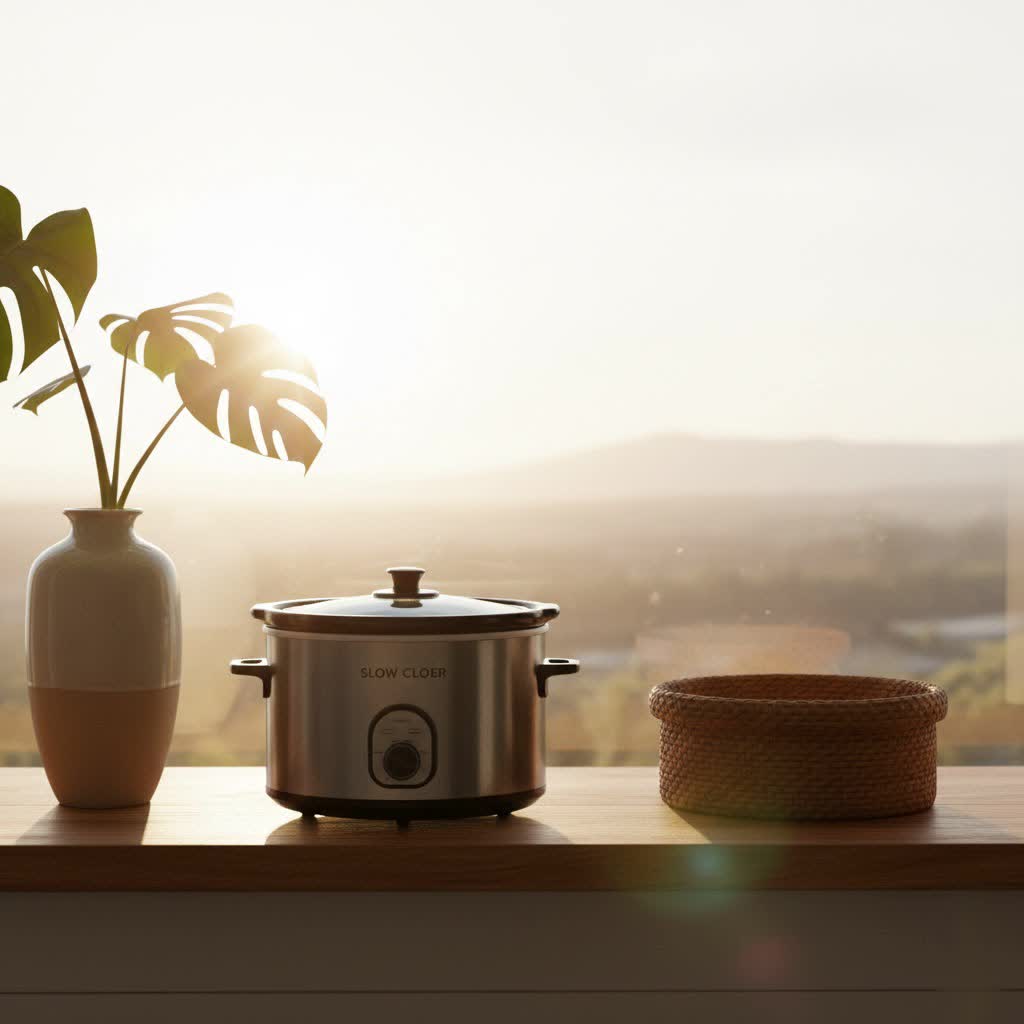
A slow cooker, often referred to by the brand name Crock-Pot, is an electric cooking appliance that simmers food at a low temperature over an extended period. Its primary purpose is to tenderize tougher cuts of meat and meld flavors in stews, soups, and casseroles, often with minimal supervision. The concept of slow cooking dates back centuries, using low-heat ovens or hearths, but the modern electric slow cooker revolutionized home cooking by offering a safe, convenient, and energy-efficient method.
A typical slow cooker consists of three main parts:
- The Housing Unit: The outer casing, usually metal, containing the heating element.
- The Crock/Insert: A heavy, removable pot made from ceramic or stoneware, where the food is placed. This is often dishwasher-safe for easy cleaning.
- The Lid: Typically made of glass, allowing you to see the food without lifting it. It fits snugly to trap heat and moisture, which is crucial for the slow cooking process.
Why Choose a Slow Cooker for Healthy Meals?
Embracing a slow cooker can significantly elevate your healthy eating journey, offering a multitude of benefits that extend far beyond mere convenience.
Firstly, slow cooking is an undeniable time and effort saver. With a bit of morning prep, you can “set it and forget it,” letting your meal gently simmer throughout the day. This hands-off approach eliminates the stress of last-minute dinner preparations, making healthy home-cooked meals a reality even on the busiest weekdays.
Beyond convenience, slow cooking excels at preserving nutrients and enhancing natural flavors. The low, consistent heat and sealed environment minimize the loss of water-soluble vitamins that can occur with other high-heat cooking methods. Foods cook in their own juices or a small amount of broth, concentrating flavors and tenderizing ingredients without the need for excessive fats or oils. Moreover, some vegetables, like tomatoes and carrots, can actually have increased antioxidant availability when cooked slowly.
A slow cooker offers incredible versatility for healthy dishes. From hearty stews and lean protein roasts to vibrant vegetable curries, wholesome soups, and even nutritious breakfast porridges, the possibilities are vast. It encourages the use of nutrient-dense ingredients like lean meats, legumes, whole grains, and a generous amount of vegetables, making it easier to prepare balanced meals.
Furthermore, slow cooking can contribute to a healthier diet by reducing harmful compounds. High-temperature cooking methods, such as grilling or broiling, can produce Advanced Glycation End Products (AGEs), which are linked to inflammation and various chronic diseases. Slow cooking, especially with liquids, significantly reduces the formation of AGEs, particularly in animal proteins, promoting a healthier way to prepare your meals.
> “Slow cooking forms very few AGEs if any. Additionally, if you cook meat on the bone in your slow cooker you receive health promoting collagen, gelatin, and minerals that are not as readily available in the muscle meat we tend to consume in isolation much of the time.” – James Marr, Naturopath
Lastly, the method is inherently safe and easy to use, even for novice cooks. The simple controls and consistent temperature allow for predictable results, building confidence in preparing complex-tasting, healthy meals with minimal culinary skill.
Popular Types of Slow Cookers
The world of slow cookers has expanded beyond the basic model, offering various types to suit diverse cooking needs and preferences.
Manual Slow Cookers
|
Our Picks for the Best Slow Cooker in 2026
As an Amazon Associate I earn from qualifying purchases.
|
||
| Num | Product | Action |
|---|---|---|
| 1 | 4-Quart Classic Slow Cooker – Programmable Small Crock Pot for Stews, Soups, Meats & Easy Meals, Removable Stoneware & Dishwasher-Safe Lid, Black |

|
| 2 | Hamilton Beach Slow Cooker, Extra Large 10 Quart, Stay or Go Portable With Lid Lock, Dishwasher Safe Crock, Black (33195) |
|
| 3 | Crock-Pot 6 Quart Programmable Slow Cooker with Timer and Auto Food Warmer Setting, Stainless Steel |
|
| 4 | Crock-Pot 7 Quart Oval Manual Slow Cooker, Stainless Steel (SCV700-S-BR), Versatile Cookware for Large Families or Entertaining |
|
| 5 | Ninja MC1101 Foodi Everyday Possible Cooker Pro, 8-in-1 Versatility, One-Pot Faster Cooking Replaces 10 Tools, Family-Sized Capacity with Adjustable Temp Control, 6.5 quarts, Midnight Blue |
|
| 6 | Crock-Pot Large 8-Quart Programmable Slow Cooker with Auto Warm Setting Black Stainless Steel |
|
| 7 | Ninja® 12-in-1 PossibleCooker™ PLUS - 8.5-qt - Sous Vide & Proof Multi-Cooker - Slow Cooker, Dutch Oven & More - Glass Lid & Integrated Spoon - Nonstick - Oven Safe Pot to 500°F - Black - MC1010 |
|
| 8 | Crockpot SCV700-CH-BR Slow Cooker 7 quarts Charcoal |
|
| 9 | Crock-Pot 6 Quart Cook & Carry Programmable Slow Cooker with Digital Timer Stainless Steel (CPSCVC60LL-S) pack of 1 |
|
| 10 | Crockpot Manual 7-Quart Slow Cooker Turquoise |
|
These are the simplest and most budget-friendly options. They typically feature a dial with “Low,” “High,” and “Warm” settings. While they lack advanced features, their straightforward operation makes them reliable for traditional slow cooking. You set the temperature, and it cooks until you turn it off.
Programmable Slow Cookers
Offering more control, programmable models allow you to set specific cooking times, after which they often automatically switch to a “Keep Warm” setting. This is ideal for busy individuals who are away from home for extended periods, ensuring food is ready and safely kept warm until dinnertime.
Multi-Cookers
These versatile appliances combine the functions of a slow cooker with other cooking methods like pressure cooking, sautéing, steaming, and even baking. A multi-cooker can brown meat before slow cooking in the same pot, which is a significant convenience. Brands like Instant Pot often fall into this category, appealing to those who want a single appliance for various culinary tasks.
Mini Slow Cookers
Designed for smaller portions, dips, or appetizers, mini slow cookers (typically 1.5 to 3 quarts) are perfect for single servings, couples, or when you need to keep a dish warm for a potluck. They bring the same benefits of slow cooking to smaller-scale meals.
Comparing Slow Cooker Types
To help you decide, here’s a comparison of common slow cooker types:
| Feature | Manual Slow Cooker | Programmable Slow Cooker | Multi-Cooker (with Slow Cook Function) | Mini Slow Cooker |
|---|---|---|---|---|
| Price Range | Low ($20-$50) | Medium ($50-$100) | High ($80-$250+) | Low ($15-$40) |
| Capacity | 3-7 quarts | 4-8 quarts | 6-8 quarts | 1.5-3 quarts |
| Key Functions | Low, High, Warm | Low, High, Warm, Timer, Auto-Warm | Pressure Cook, Sauté, Steam, Slow Cook, etc. | Low, High, Warm |
| Material | Ceramic/Stoneware insert | Ceramic/Stoneware insert | Stainless steel or non-stick insert | Ceramic/Stoneware insert |
| Pros | Simple, affordable, reliable | Set-and-forget, convenient | Versatile, space-saving, browning capability | Compact, perfect for small portions/dips |
| Cons | No timer, requires manual shut-off | More expensive than manual | Steeper learning curve, generally higher price | Limited capacity for full meals |
Factors to Consider When Buying a Healthy Slow Cooker (Buying Guide)
Choosing the right slow cooker can significantly impact your healthy cooking experience. Consider these factors:
Capacity
This is perhaps the most crucial decision.
- 1.5-3 quarts: Ideal for single individuals, couples, or preparing side dishes and appetizers.
- 4-6 quarts: A versatile size suitable for small families (3-4 people) or meal prepping for one or two.
- 7-8+ quarts: Best for larger families (5+ people), entertaining, or batch cooking for freezing. Remember, a slow cooker works best when it’s ½ to ⅔ full.
Material
The insert material affects both cooking and cleaning.
- Ceramic or Stoneware: These are traditional, excellent at retaining heat, and distribute it evenly. They are generally heavy and prone to breakage if dropped. Most are oven-safe and dishwasher-safe.
- Non-stick (PFOA/PFTE-free): Some newer models offer non-stick coatings, which can make cleanup easier. Look for reputable brands that specify their coatings are free from harmful chemicals. GreenLife offers eco-friendly ceramic options.
- Aluminum: Lighter than ceramic, aluminum inserts (often found in multi-cookers) can be used for browning on the stovetop before slow cooking.
Functions
Basic models offer “Low,” “High,” and “Warm.” Advanced features can enhance convenience:
- Programmable Timers: Essential for set-and-forget cooking, automatically switching to “Keep Warm.”
- Temperature Probes: Some models allow you to cook meat to a precise internal temperature, then automatically switch to “Warm,” preventing overcooking.
- Sauté/Sear Function: Found in multi-cookers, this allows you to brown ingredients directly in the pot, adding depth of flavor without extra pans.
- Defrost Function: Rare, but some models can safely cook from frozen, though generally, thawing is recommended for food safety.
Brand
Investing in a reputable brand ensures quality, durability, and customer support. Popular and well-regarded brands include:
- Crock-Pot: The original and still a market leader, offering a wide range of basic to programmable models.
- Hamilton Beach: Known for innovative features like temperature probes and clip-tight lids for portability.
- Cuisinart: Offers robust multi-cookers with excellent performance and sleek designs.
- GreenLife: Focuses on eco-friendly, non-toxic ceramic non-stick coatings.
- All-Clad: Premium option for those seeking high-end performance and durability, often with multi-cooker capabilities.
Price
Slow cookers range widely in price.
- Budget-friendly ($20-$50): Typically manual models, great for basic needs.
- Mid-range ($50-$100): Often programmable, offering a good balance of features and value.
- High-end ($100-$250+): Multi-cookers or specialized models with advanced features, premium materials, and additional cooking functionalities. Consider how often you’ll use it and which features are truly essential for your healthy cooking goals.
Top Slow Cookers for Healthy Cooking
While the “best” slow cooker depends on individual needs, several models consistently receive high praise for their performance, features, and suitability for healthy meal preparation:
- Magnifique The Claypot Multicooker: Praised for its versatility as an all-in-one cooker and Dutch oven, offering even cooking and easy cleanup, making it excellent for various healthy recipes.
- GreenLife 6-Quart Ceramic Slow Cooker: An eco-friendly and budget-friendly option known for its ceramic insert and reliable slow cooking performance.
- Hamilton Beach Set & Forget Slow Cooker: Highly rated for its programmable features and integrated temperature probe, which ensures meats are cooked to perfection without over-drying, ideal for leaner cuts.
- Cuisinart Cook Central Multi-Cooker: This multi-functional appliance often doubles as a pressure cooker and offers sautéing capabilities, allowing for more complex healthy recipes in one pot.
- Crock-Pot Programmable Slow Cooker (8-Quart): A reliable large-capacity option, perfect for batch cooking healthy meals for larger families or meal prepping for the week.
Tips for Using and Maintaining Your Healthy Slow Cooker
Maximizing your slow cooker’s potential for healthy meals involves a few key techniques and proper care.
Usage Tips for Healthier Cooking
- Prep Ahead: Chop vegetables and trim fat from meats the night before. This makes morning assembly quick and easy.
- Brown Ingredients (Optional but Recommended): Searing meat and sautéing aromatics (onions, garlic) before adding them to the slow cooker can significantly deepen the flavor profile of your dish, reducing the need for excessive seasonings later.
- Avoid Frozen Foods (Mostly): For food safety, ensure meat and vegetables are fully thawed before slow cooking, unless the recipe specifically states otherwise for pre-packaged frozen slow cooker meals.
- Proper Liquid Levels: Slow cookers retain a lot of moisture. Generally, reduce the liquid in conventional recipes by one-third to one-half, except for soups.
- Layer Ingredients Strategically: Place tougher, slower-cooking vegetables (like carrots and potatoes) at the bottom, closer to the heat source. Meats go on top, followed by softer vegetables or quick-cooking ingredients.
- Keep the Lid Closed: Resist the urge to peek! Every time you lift the lid, heat escapes, adding 15-20 minutes to the cooking time.
- Add Quick-Cooking Vegetables and Fresh Herbs at the End: Delicate greens like spinach, kale, or broccoli, and fresh herbs, are best added during the last 15-30 minutes of cooking to preserve their texture, flavor, and nutrients.
- Choose the Right Proteins: Leaner cuts of meat, like pork chops or chicken breast, benefit from being fully covered in liquid to stay moist. Dark meat chicken (thighs, drumsticks) tends to remain juicier. Avoid cooking fish and seafood for long periods, as they can become rubbery.
Healthy Cooking Strategies
- Minimize Jarred Sauces and Processed Ingredients: Many commercial sauces are high in sugar, sodium, and preservatives. Opt for homemade sauces or choose low-sodium, low-sugar alternatives.
- Watch Sodium, Sugar, and Fat: Use low-sodium broths and spices, and control added salt. Sweeten naturally with fruits or small amounts of honey/maple syrup. Trim excess fat from meats to prevent an oily final dish.
- Leverage Broths and Spices: Utilize healthy broths (chicken, vegetable, bone broth) as a base, which also retain cooked-out nutrients. Experiment with herbs and spices to build flavor without relying on unhealthy additives.
- Pack in the Veggies: Slow cooking is perfect for incorporating a wide variety of vegetables, boosting your fiber and nutrient intake. It’s an easy way to “sneak” extra veggies into family meals.
Care & Maintenance
- Clean Promptly: After each use, allow the insert to cool, then clean it. Most ceramic or stoneware inserts and glass lids are dishwasher-safe.
- Hand Wash if Needed: For stubborn food residue, soak the insert with warm, soapy water. Avoid abrasive scrubbers that could damage non-stick coatings.
- Wipe Down the Base: Clean the exterior housing unit with a damp cloth, ensuring no water gets into the electrical components.
- Check for Damage: Regularly inspect the cord, plug, and ceramic insert for any cracks or damage. Do not use a damaged slow cooker.
Safety Precautions for Slow Cookers
While generally very safe, adhering to a few safety guidelines ensures your slow cooker operates effectively and hygienically:
- Thaw All Ingredients: As mentioned, ensure meat, poultry, and vegetables are fully thawed before adding them to a slow cooker. This prevents ingredients from spending too much time in the “danger zone” (40°F to 140°F / 4°C to 60°C) where bacteria can multiply rapidly.
- Proper Filling Levels: Fill your slow cooker between one-half and two-thirds full for optimal cooking. Overfilling can lead to uneven cooking or spills, while underfilling may result in overcooked or burnt food.
- Placement: Always place the slow cooker on a flat, stable, heat-resistant surface away from edges and other appliances. Ensure good ventilation.
- Unplug After Use: Once cooking is complete and the unit is off, unplug the slow cooker from the wall outlet. Never leave it plugged in unnecessarily.
- Check Doneness: Always use a food thermometer to ensure meats reach safe internal temperatures (e.g., 165°F / 74°C for poultry, 160°F / 71°C for ground meat, 145°F / 63°C for whole cuts of beef, pork, lamb, and veal with a 3-minute rest).
Conclusion
The slow cooker stands as a beacon of culinary convenience, making healthy eating more accessible and enjoyable for everyone. By embracing this appliance, you unlock a world of nutritious, flavor-packed meals that require minimal hands-on time, preserve vital nutrients, and reduce unhealthy cooking byproducts. From tenderizing economical cuts of meat to simmering vibrant plant-based dishes, the slow cooker empowers you to take control of your diet and savor wholesome food effortlessly. Isn’t it time you rediscovered the joy of coming home to a healthy meal, prepared to perfection?
Frequently Asked Questions
Is slow cooking really healthier?
Yes, slow cooking can be a healthier cooking method. The low, consistent heat helps retain nutrients that might be lost in higher-temperature cooking, and the sealed environment minimizes the need for added fats and oils. It also significantly reduces the formation of harmful compounds like AGEs, especially when cooking meats.
Can I put raw meat and vegetables in a slow cooker?
Absolutely! Slow cookers are designed to cook raw ingredients over time. However, for food safety, ensure all ingredients, especially meats, are thawed before placing them in the slow cooker, unless the recipe explicitly states otherwise for specially prepared frozen meals.
How much liquid should I use in a slow cooker?
Since slow cookers trap moisture efficiently, you generally need less liquid than conventional stovetop or oven recipes. A good rule of thumb is to reduce the liquid by one-third to one-half, unless you are making a soup or stew where more liquid is desired.
Can I leave my slow cooker on all day?
Yes, many slow cooker recipes are designed to cook for 6-8 hours on “Low” or 3-4 hours on “High,” making them ideal for leaving on while you’re at work. Programmable models often switch to a “Keep Warm” setting automatically, ensuring food remains at a safe temperature until you’re ready to eat.
Are slow cookers energy efficient?
Slow cookers are generally very energy-efficient. They typically use less electricity than a conventional oven, consuming only about as much wattage as a light bulb. This makes them an economical choice for long cooking times, helping you save on energy bills.
