For those who cherish delicious, home-cooked meals but often find themselves short on time or energy, the debate between slow cookers and pressure cookers is a familiar one. These kitchen powerhouses promise to transform ingredients into culinary masterpieces with minimal fuss. But how do they differ, and which one is the perfect fit for your lifestyle? As an Admin at ReviewBhai.com with a decade of experience in testing and reviewing slow cookers, I’m here to guide you through the world of these essential appliances to help you choose the ideal companion for your kitchen.
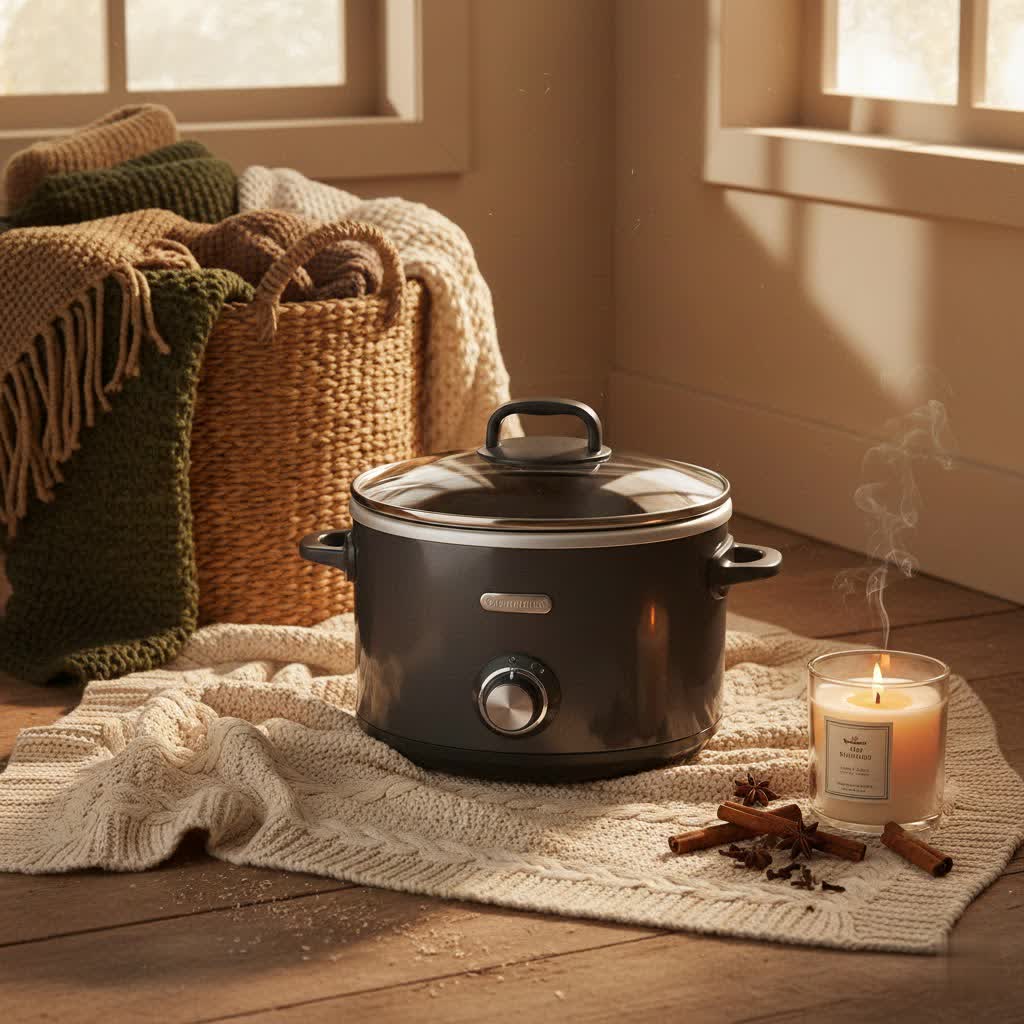
What is a Slow Cooker?
A slow cooker, often referred to by its brand name Crock-Pot, is an electric cooking appliance designed to simmer food at a low temperature over an extended period. Its purpose is to tenderize tough cuts of meat and meld flavors in stews, soups, and roasts with minimal supervision. The concept emerged in the early 20th century, with modern electric versions gaining popularity in the 1970s as a convenient solution for busy households.
Typically, a slow cooker consists of a heating element at the base, an outer casing, a removable stoneware or ceramic pot, and a lid, usually made of glass. The heating element gently heats the food, while the heavy pot and lid create a sealed environment that retains moisture and heat, allowing ingredients to break down and flavors to deepen over many hours.
What is a Pressure Cooker?
A pressure cooker is an airtight pot that cooks food quickly by trapping steam and increasing the internal pressure. This elevated pressure raises the boiling point of water, allowing food to cook at higher temperatures than normal, significantly reducing cooking times. While stovetop models have been around for centuries, electric pressure cookers, popularized by brands like Instant Pot, have become a staple in modern kitchens for their ease of use and safety features.
The main components include a heavy-duty pot, a specialized lid with a gasket to create an airtight seal, and a steam release valve to control pressure. Electric models often feature a control panel for various settings, including high and low pressure, sauté, and even slow cooking. The core difference in operation lies in its speed: a pressure cooker harnesses intense heat and steam to drastically cut down cooking duration, unlike the gentle, prolonged heat of a slow cooker.
Why Use a Slow Cooker?
Slow cookers excel at transforming budget-friendly, tougher cuts of meat into fork-tender dishes, making them a favorite for hearty stews, pot roasts, and chilis. The “set it and forget it” convenience allows you to load ingredients in the morning and return home to a perfectly cooked meal, infusing your home with enticing aromas throughout the day. This long, gentle cooking process is ideal for developing deep, complex flavors as ingredients slowly meld together.
Beyond convenience, slow cooking is also highly energy-efficient, often using less electricity over several hours than an oven would for a shorter period. It’s incredibly versatile, capable of preparing everything from savory main courses to comforting desserts, ensuring moist and flavorful results every time. Modern slow cookers also come with features like programmable timers and automatic keep-warm settings, adding to their safety and ease of use.
Why Use a Pressure Cooker?
The primary allure of a pressure cooker is its unparalleled speed. It can cook meals up to 70% faster than traditional methods, making it invaluable for quick weeknight dinners or when you need to prepare food in a hurry. For example, a dish that might take 8 hours in a slow cooker could be ready in about an hour in a pressure cooker. This rapid cooking also helps to preserve more vitamins and minerals in your food, as they are exposed to heat for a shorter duration.
Pressure cookers are incredibly versatile, adept at cooking a wide array of foods from grains and legumes to tough cuts of meat, all in a fraction of the time. They are particularly effective for dishes that typically require long simmering, such as stocks, beans, and certain braises. Modern electric pressure cookers come equipped with multiple safety mechanisms, including locking lids and automatic pressure release, ensuring a safe cooking experience.
Slow Cooker vs. Pressure Cooker: A Detailed Comparison
While both appliances offer convenient ways to cook delicious meals, their methods and results differ significantly:
Cooking Method and Time
- Slow Cooker: Employs low, consistent heat over many hours (4-8 hours on high, 6-10 hours on low). It relies on gentle simmering to break down ingredients slowly.
- Pressure Cooker: Uses high-pressure steam to dramatically increase internal temperatures, cooking food rapidly (often 30% to 8 times faster than slow cooking).
|
Our Picks for the Best Slow Cooker in 2026
As an Amazon Associate I earn from qualifying purchases.
|
||
| Num | Product | Action |
|---|---|---|
| 1 | 4-Quart Classic Slow Cooker – Programmable Small Crock Pot for Stews, Soups, Meats & Easy Meals, Removable Stoneware & Dishwasher-Safe Lid, Black |

|
| 2 | Crock-Pot 6 Quart Cook & Carry Programmable Slow Cooker with Digital Timer Stainless Steel (CPSCVC60LL-S) pack of 1 |
|
| 3 | Crock-Pot Large 8-Quart Programmable Slow Cooker with Auto Warm Setting Black Stainless Steel |
|
| 4 | Ninja® 12-in-1 PossibleCooker™ PLUS - 8.5-qt - Sous Vide & Proof Multi-Cooker - Slow Cooker, Dutch Oven & More - Glass Lid & Integrated Spoon - Nonstick - Oven Safe Pot to 500°F - Black - MC1010 |
|
| 5 | Ninja MC1101 Foodi Everyday Possible Cooker Pro, 8-in-1 Versatility, One-Pot Faster Cooking Replaces 10 Tools, Family-Sized Capacity with Adjustable Temp Control, 6.5 quarts, Midnight Blue |
|
| 6 | Hamilton Beach Slow Cooker, Extra Large 10 Quart, Stay or Go Portable With Lid Lock, Dishwasher Safe Crock, Black (33195) |
|
| 7 | Crockpot Manual 7-Quart Slow Cooker Turquoise |
|
| 8 | Crock-Pot 7 Quart Oval Manual Slow Cooker, Stainless Steel (SCV700-S-BR), Versatile Cookware for Large Families or Entertaining |
|
| 9 | Crockpot SCV700-CH-BR Slow Cooker 7 quarts Charcoal |
|
| 10 | Crock-Pot 6 Quart Programmable Slow Cooker with Timer and Auto Food Warmer Setting, Stainless Steel |
|
Flavor and Texture
- Slow Cooker: Known for developing rich, melded flavors as ingredients cook together over time. It produces incredibly tender meats by slowly breaking down connective tissues, though softer vegetables can sometimes become overly mushy.
- Pressure Cooker: Achieves tender results quickly, preserving the texture of ingredients more effectively than slow cooking due to the shorter cooking time. Flavors are locked in due to the sealed environment, often resulting in vibrant, intense tastes.
Nutrient Retention
- Slow Cooker: The long cooking times at lower temperatures can sometimes lead to a reduction in certain heat-sensitive nutrients, although many nutrients remain.
- Pressure Cooker: The quick cooking time and sealed environment help to retain more vitamins and minerals compared to traditional boiling or even slow cooking, as nutrients have less time to degrade or leach out.
Ideal Foods
- Slow Cooker: Perfect for tough cuts of meat (like chuck roasts, briskets), stews, chilis, soups, and dishes where deep flavor development is desired.
- Pressure Cooker: Excellent for dry beans (no pre-soaking needed), whole grains, potatoes, root vegetables, chicken, and other meats when time is of the essence.
Energy Efficiency
- Both are generally more energy-efficient than using a conventional oven for equivalent dishes, especially for long cooking times. Pressure cookers, with their shorter cooking cycles, often have a slight edge in overall energy consumption for a single meal.
Multi-Cookers: The Best of Both Worlds
For those who can’t decide between the convenience of a slow cooker and the speed of a pressure cooker, multi-cookers offer an elegant solution. Appliances like the Instant Pot and Ninja Foodi combine the functionalities of both, alongside other features such as sautéing, steaming, and even air frying.
The primary benefit of a multi-cooker is space-saving—one appliance can replace several in your kitchen. They also offer incredible versatility, allowing you to sear meat directly in the pot before slow cooking or pressure cooking, which greatly enhances flavor without dirtying extra pans. While some older models might have been criticized for their less optimal slow cooking performance compared to dedicated slow cookers, modern multi-cookers have significantly improved, offering reliable performance across all their functions. Their often deeper and narrower shape, typical of pressure cookers, might be a minor consideration for some large, wide cuts of meat or serving.
Key Factors When Choosing Your Perfect Cooker (Buying Guide)
Selecting the right cooking appliance depends on your individual needs and culinary habits. Consider these factors:
Capacity
- 1-3 Quarts: Ideal for individuals or small households (1-2 people), perfect for small batches or side dishes.
- 4-6 Quarts: The most common size, suitable for average families (3-5 people), accommodating most roasts and stews.
- 7+ Quarts: Best for large families, entertaining, or meal prepping for the week.
Material
- Ceramic/Stoneware (Slow Cookers): Excellent heat retention and even cooking. Often heavier and more fragile.
- Stainless Steel/Non-stick (Multi-Cookers/Pressure Cookers): Durable, lighter, and easier to clean. Non-stick coatings require careful handling to prevent scratching. Ensure the materials are food-grade and safe.
Functions
- Manual/Basic: Simple high/low/warm settings, common in traditional slow cookers.
- Programmable: Allows you to set specific cooking times and temperatures, often with delayed start and automatic keep-warm features. Essential for modern multi-cookers.
- Advanced: Sauté, steam, yogurt maker, sterilizer, rice cooker, air fryer (in some multi-cookers). Choose based on how many kitchen tasks you want your appliance to consolidate.
Brand Reputation
- Invest in reputable brands known for quality, durability, and customer support. Instant Pot, Crock-Pot, Ninja Foodi, Breville, Cuisinart, and Zojirushi are consistently well-regarded in the slow cooker and pressure cooker categories. Reliable brands often provide better safety features and consistent performance.
Price
- Basic slow cookers can be very affordable, ranging from $30-$80.
- Entry-level pressure cookers might be slightly higher, $50-$100.
- High-end programmable multi-cookers with numerous functions can range from $100 to $300+. Determine your budget and match it with the features you genuinely need.
Top-Rated Slow Cookers and Multi-Cookers
Based on extensive testing and user feedback, several models consistently stand out. For dedicated slow cooking, programmable models like the Hamilton Beach Programmable Set & Forget 6 Quart Slow Cooker are highly praised for their reliability and convenience. When it comes to multi-cookers offering both pressure and slow cooking, the Instant Pot Duo Plus V4 Multi-Use Pressure Cooker is a perennial favorite, celebrated for its versatility and user-friendly interface. The Ninja Foodi SmartLid Multi-Cookers also garner significant attention for their innovative features, including air frying capabilities in a single appliance, making them a comprehensive kitchen solution for various cooking tasks.
Tips for Using and Maintaining Your Cooker
To maximize your cooking experience and prolong the life of your appliance, follow these simple tips:
- Pre-browning: For slow-cooked dishes, searing meat on the stovetop (or using the sauté function on a multi-cooker) before adding it to the pot significantly enhances flavor and creates a richer color.
- Liquid Levels: For slow cookers, don’t overfill the pot; leave an inch or two from the top. For pressure cookers, remember that less liquid is needed as evaporation is minimal. Always adhere to the manufacturer’s maximum fill lines.
- Recipe Adaptation: When converting a slow cooker recipe to a pressure cooker, reduce liquids by about a quarter and drastically cut down cooking times. For pressure cooker recipes adapted for slow cooking, you’ll need to increase liquids slightly and extend cooking times considerably.
- Cleaning: Always refer to your manual for specific cleaning instructions. Most removable pots and lids are dishwasher safe. For stubborn food residue, soak with warm, soapy water. Ensure all parts, especially gaskets and valves on pressure cookers, are clean and free of debris for optimal performance and safety.
- Storage: Store your cooker in a cool, dry place. For slow cookers, ensure the stoneware is completely dry before storing. For pressure cookers, double-check that the lid’s gasket is properly positioned before and after use.
Safety First: Important Considerations
Safety is paramount when using any electrical appliance. Always read your appliance’s manual thoroughly before initial use.
- Inspection: Before each use, check the pot, lid, and power cord for any signs of damage or wear. Never use a damaged appliance.
- Placement: Place your cooker on a stable, heat-resistant surface, away from walls and cabinets, to allow for proper ventilation and steam release. Keep it out of reach of children and pets.
- Filling: Never overfill your slow cooker or pressure cooker beyond the recommended maximum fill line to prevent boiling over or unsafe pressure buildup.
- Pressure Release (Pressure Cookers): Always follow the instructions for pressure release (natural, quick, or pulse) carefully. Never force open a pressure cooker lid if it is still pressurized.
- Power: Always unplug the appliance from the power outlet when not in use and before cleaning. Avoid using extension cords unless specifically rated for the appliance’s wattage.
Conclusion
Choosing between a slow cooker, a pressure cooker, or a versatile multi-cooker ultimately comes down to your priorities in the kitchen. If you value low-fuss, tender, flavor-rich meals that cook themselves over hours, the slow cooker is your faithful companion. If speed, nutrient retention, and quick weeknight dinners are your focus, the pressure cooker will be an invaluable asset. For those who crave both convenience and lightning-fast cooking, a modern multi-cooker offers the best of both worlds, simplifying your culinary adventures and decluttering your countertop. Whichever you choose, these appliances are designed to bring delicious, wholesome meals to your table with greater ease than ever before. So, which cooking method will revolutionize your kitchen first?
Frequently Asked Questions
Can I use a regular pot as a slow cooker?
No, a regular pot on a stovetop cannot effectively replicate a slow cooker. Slow cookers use precise, consistent low heat from the base and sides, along with a tight-fitting lid, to maintain a specific low temperature over many hours. A stovetop pot would be difficult to regulate at such low temperatures for extended periods without scorching food or losing too much moisture.
Is it healthier to slow cook or pressure cook?
Both methods can be healthy. Pressure cooking often retains more heat-sensitive nutrients due to its rapid cooking time. Slow cooking, while longer, also locks in nutrients and moisture efficiently. The “healthier” choice largely depends on the specific ingredients and recipe.
Can a pressure cooker explode?
Modern electric pressure cookers have multiple safety features that make explosions extremely rare. These include automatic pressure release valves, locking lids, and sensors to prevent overheating or excessive pressure buildup. As long as you follow the manufacturer’s instructions, especially regarding fill levels and valve maintenance, they are very safe to use.
What are common mistakes to avoid with slow cookers?
Common mistakes include overfilling the pot, lifting the lid too frequently (which prolongs cooking time), using too much liquid, and not pre-browning meat for enhanced flavor. Always ensure vegetables are cut into uniform pieces for even cooking.
Can I put frozen meat directly into a slow cooker or pressure cooker?
It is generally not recommended to put large frozen cuts of meat directly into a slow cooker due to food safety concerns (meat may stay in the “danger zone” temperature too long). For pressure cookers, some smaller, thinner frozen items can be cooked, but cooking times will need to be adjusted, and for best results, defrosting is usually advised.
