In today’s fast-paced world, finding time to prepare nutritious and flavorful home-cooked meals can feel like a luxury. You dream of coming home to a savory dinner, rich in aroma and ready to serve, without the hassle of hours spent in the kitchen. This is where the magic of a slow cooker comes into play. A beloved appliance for busy individuals and families alike, a slow cooker transforms everyday ingredients into culinary masterpieces with minimal effort. But with a myriad of options available, how do you choose the perfect one for your kitchen? Let’s explore the world of slow cookers and discover the ideal companion for your cooking journey.
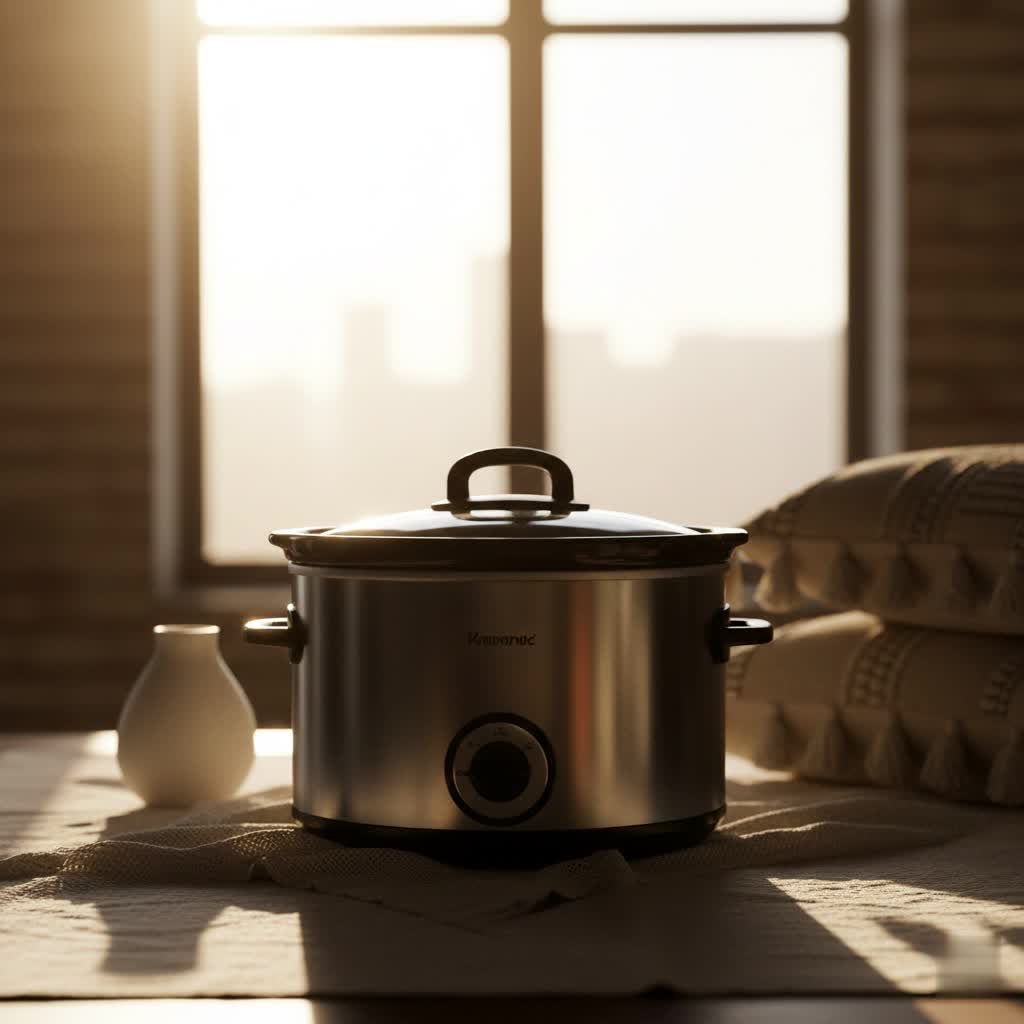
What is a Slow Cooker?
At its core, a slow cooker is a countertop electrical appliance designed to simmer food at a low temperature over an extended period. This method allows for unattended cooking, making it a game-changer for those with demanding schedules. The concept gained widespread popularity in the United States during the 1970s, empowering working individuals to prepare meals throughout the day.
A typical slow cooker consists of three main parts: a heavy-lidded cooking pot, usually made of glazed ceramic or porcelain, which sits inside a housing containing an electric heating element. The lid is often made of glass, allowing you to peek at your meal’s progress without releasing heat, which is crucial for maintaining consistent temperatures.
Why Should You Use a Slow Cooker?
The benefits of integrating a slow cooker into your cooking routine are numerous:
- Time and Effort Saving: The primary advantage is the ability to “set it and forget it.” Simply add your ingredients in the morning, and return hours later to a fully cooked meal, ready to enjoy. This frees up your precious time for other activities.
- Enhanced Flavor and Nutrition: Slow, gentle cooking breaks down tough cuts of meat, making them incredibly tender and juicy. It also allows flavors to meld and deepen over time, resulting in richer, more complex dishes. This method helps retain more nutrients compared to high-heat cooking.
- Versatility in Meals: From hearty stews, robust chilis, and succulent pot roasts to comforting soups, delectable desserts, and even breakfast oatmeal, a slow cooker can handle an impressive range of recipes. Its capabilities extend far beyond traditional savory dishes, offering endless culinary possibilities.
- Safety and Ease of Use: Slow cookers are designed for safe, unattended operation. Their low, consistent heat minimizes the risk of burning, and with simple controls, they are exceptionally user-friendly, even for novice cooks.
Popular Types of Slow Cookers
The market offers various slow cooker types, each with unique features to suit different preferences and cooking styles:
- Manual Slow Cookers: These are the most basic and typically most affordable models. They usually feature simple dial controls with “Low,” “High,” and “Warm” settings, requiring manual adjustment or shut-off. They are perfect for those who prefer straightforward operation and are on a budget.
- Programmable/Digital Slow Cookers: Offering more control and convenience, these models come with electronic controls and digital timers. You can program the cooking time, and many automatically switch to a “Keep Warm” setting once cooking is complete, preventing overcooking and keeping food ready until you are. Some also offer a “Delay Start” function.
- Multi-Cookers with Slow Cook Function: These versatile appliances combine the functionality of a slow cooker with other cooking methods such as pressure cooking, searing/sautéing, steaming, or even air frying. While often pricier, they can save counter space by consolidating several kitchen appliances into one.
- Mini Slow Cookers: Ranging from 1 to 3 quarts, these compact slow cookers are ideal for single servings, small households, preparing side dishes, or keeping dips warm for parties. Their small footprint makes them easy to store.
Key Factors to Consider When Buying a Slow Cooker
Choosing the best slow cooker involves weighing several factors to match your cooking habits and household needs:
Capacity
The right size depends on how many people you typically cook for and whether you plan for leftovers.
- 1-3 Quarts: Best for individuals, couples, or preparing side dishes and dips.
- 3-6 Quarts: Ideal for average families of 3-5 people. Most slow cooker recipes are designed for a 6-quart capacity, making this a popular and versatile size.
- 6+ Quarts: Suitable for large families, entertaining guests, or batch cooking for meal prep.
|
Our Picks for the Best Slow Cooker in 2026
As an Amazon Associate I earn from qualifying purchases.
|
||
| Num | Product | Action |
|---|---|---|
| 1 | Ninja MC1101 Foodi Everyday Possible Cooker Pro, 8-in-1 Versatility, One-Pot Faster Cooking Replaces 10 Tools, Family-Sized Capacity with Adjustable Temp Control, 6.5 quarts, Midnight Blue |

|
| 2 | Ninja® 12-in-1 PossibleCooker™ PLUS - 8.5-qt - Sous Vide & Proof Multi-Cooker - Slow Cooker, Dutch Oven & More - Glass Lid & Integrated Spoon - Nonstick - Oven Safe Pot to 500°F - Black - MC1010 |
|
| 3 | Hamilton Beach Slow Cooker, Extra Large 10 Quart, Stay or Go Portable With Lid Lock, Dishwasher Safe Crock, Black (33195) |
|
| 4 | Crock-Pot 7 Quart Oval Manual Slow Cooker, Stainless Steel (SCV700-S-BR), Versatile Cookware for Large Families or Entertaining |
|
| 5 | Crock-Pot Large 8-Quart Programmable Slow Cooker with Auto Warm Setting Black Stainless Steel |
|
| 6 | Crock-Pot 6 Quart Programmable Slow Cooker with Timer and Auto Food Warmer Setting, Stainless Steel |
|
| 7 | Crockpot SCV700-CH-BR Slow Cooker 7 quarts Charcoal |
|
| 8 | Crockpot Manual 7-Quart Slow Cooker Turquoise |
|
| 9 | 4-Quart Classic Slow Cooker – Programmable Small Crock Pot for Stews, Soups, Meats & Easy Meals, Removable Stoneware & Dishwasher-Safe Lid, Black |
|
| 10 | Crock-Pot 6 Quart Cook & Carry Programmable Slow Cooker with Digital Timer Stainless Steel (CPSCVC60LL-S) pack of 1 |
|
Material
Both the inner pot and the lid material contribute to performance and ease of use.
- Cooking Pot (Insert):
- Ceramic/Stoneware: Known for even heat distribution and excellent heat retention, which contributes to more uniformly cooked food. They often look attractive enough to go directly from the cooker to the dining table. However, they are heavier and can be prone to cracking if exposed to extreme temperature changes.
- Metal (Aluminum/Stainless Steel): Lighter weight and can heat up faster. Some metal inserts are stovetop-safe, allowing you to sear meats directly in the pot before slow cooking, minimizing dirty dishes. They may, however, be more prone to hot spots. Many come with nonstick coatings for easier cleanup.
- Lid: A clear glass lid is highly recommended as it allows you to monitor your food’s progress without lifting the lid, which can cause heat loss and extend cooking times. Locking lids are a great feature for spill-free transportation.
Functions
Beyond basic temperature settings, modern slow cookers offer an array of helpful features:
- Timer and Automatic Keep Warm: A crucial feature for busy cooks, allowing you to set a precise cooking duration. Once done, the cooker automatically switches to a warm setting, keeping your meal ready without overcooking.
- Delay Start: Enables you to program the cooker to begin cooking at a later time, ideal for timing meals perfectly.
- Sear/Sauté Function: Found in many multi-cookers or models with stovetop-safe inserts, this feature lets you brown ingredients before slow cooking, building depth of flavor without needing a separate pan.
- Temperature Probe: For precise cooking, especially with meats, a probe can monitor the internal temperature and automatically switch to “warm” once the desired temperature is reached.
- Portability: Features like a locking lid and sturdy, stay-cool handles make it easy and safe to transport your slow cooker to potlucks or gatherings.
Brand and Price
While manual models can be found for as little as $20-$40, programmable and multi-functional slow cookers typically range from $50 to over $200. Established brands often offer a good balance of durability, features, and customer support. Investing in a slightly more expensive model might pay off in terms of convenience and advanced features.
Top Slow Cookers: What to Look For
When considering the “best” slow cookers, think about which category aligns with your priorities:
- For Overall Value and Performance: Look for programmable 6-quart models with essential features like digital timers and automatic warm settings. Many brands, such as Hamilton Beach and Crock-Pot, offer reliable options in this sweet spot.
- For Budget-Conscious Buyers: Simple manual slow cookers, particularly 2-6 quart sizes, are excellent for getting the job done without breaking the bank. Brands like Crock-Pot and GreenLife provide effective basic models.
- For Ultimate Versatility: Multi-cookers that combine slow cooking with other functions like searing, steaming, or even pressure cooking (e.g., Cuisinart Multi-Cookers or Ninja Speedi) are ideal for those who want an all-in-one appliance.
- For Large Families or Entertaining: An 8-quart or larger programmable slow cooker from a reputable brand like Crock-Pot ensures you can feed a crowd with ease.
- For Compact Spaces or Single Servings: A 1-2 quart mini slow cooker from brands like Elite Gourmet is perfect for smaller portions or keeping appetizers warm.
Tips for Using and Maintaining Your Slow Cooker
To get the most out of your slow cooker and ensure its longevity, keep these tips in mind:
- Resist the Urge to Peek: Avoid lifting the lid frequently, as each time you do, significant heat escapes, potentially extending cooking time by 20-30 minutes.
- Never Cook Frozen Meat Directly: For food safety reasons, always defrost meat before placing it in the slow cooker. Frozen meat takes too long to reach a safe temperature, allowing bacteria to multiply in the “danger zone.”
- Fill Appropriately: For optimal cooking and to prevent spills, fill your slow cooker at least half full, but no more than two-thirds to three-quarters full.
- Browning Adds Flavor: If your slow cooker doesn’t have a sear function, quickly browning meats and sautéing aromatics in a separate pan before adding them to the slow cooker can significantly enhance the flavor profile of your dish.
- Easy Cleanup: Many slow cooker inserts and lids are dishwasher-safe, making cleanup a breeze. For ceramic inserts, avoid extreme temperature changes (e.g., placing a hot insert under cold water) to prevent cracking.
Essential Safety Considerations
While generally safe, a few precautions ensure peace of mind:
- Read the Manual: Always consult your appliance’s instruction manual for specific usage guidelines and safety recommendations.
- Stable Surface: Place your slow cooker on a flat, stable, heat-resistant surface, away from walls or cabinets that could be damaged by heat.
- Keep Out of Reach: Ensure the slow cooker is out of reach of children and pets, as the exterior can become very hot during operation.
- Cord Safety: Position the cord so it doesn’t dangle where it could be accidentally pulled, causing the hot contents to spill.
- Lid Locks are for Transport Only: If your slow cooker has lid locks, do not engage them during cooking, as this can create pressure inside the pot.
Conclusion
A slow cooker is more than just a kitchen appliance; it’s a tool for convenience, flavor, and healthier eating. Whether you’re a busy professional, a parent juggling multiple tasks, or simply someone who loves delicious, home-cooked meals without the fuss, there’s a slow cooker out there for you. By considering your capacity needs, preferred features, and budget, you can confidently select the best slow cooker to revolutionize your meal preparation and bring comforting aromas back into your home.
What delicious slow cooker creation will you try first?
Frequently Asked Questions
Can you put frozen meat directly into a slow cooker?
No, it is generally not recommended to put frozen meat directly into a slow cooker due to food safety concerns. Frozen meat takes too long to heat up, potentially allowing harmful bacteria to thrive in the “danger zone” (between 40°F and 140°F) for an extended period. Always thaw meat completely before adding it to your slow cooker.
What is the difference between a slow cooker and a Crock-Pot?
“Crock-Pot” is a specific brand name that became so popular it’s often used interchangeably with “slow cooker,” much like “Kleenex” is used for facial tissues. All Crock-Pots are slow cookers, but not all slow cookers are Crock-Pots.
What kinds of dishes can you make in a slow cooker?
Slow cookers are incredibly versatile! They excel at preparing a wide array of dishes, including stews, chilis, pot roasts, pulled pork, soups, casseroles, curries, and even desserts like cobblers and puddings, and breakfast items like oatmeal.
How long can food safely stay on the “warm” setting in a slow cooker?
Most manufacturers recommend keeping food on the “warm” setting for no more than 2-4 hours after cooking is complete. While the warm setting maintains a safe temperature, prolonged holding can affect food quality and potentially lead to bacterial growth if the temperature drops too low. Always check your specific model’s manual for guidance.
How full should a slow cooker be for best results?
For optimal cooking performance and to prevent spills, a slow cooker should be filled at least halfway, and ideally between two-thirds to three-quarters full. Filling it too little can lead to overcooking or drying out, while overfilling can cause it to overflow during cooking.
