In the demanding world of commercial kitchens, efficiency, consistency, and food quality are paramount. While often associated with home cooking, the humble slow cooker has evolved into an indispensable tool for food service professionals. A commercial slow cooker offers a powerful solution for preparing large volumes of delicious, tender dishes with minimal oversight, freeing up valuable stove-top space and chef’s time. This comprehensive guide will delve into everything you need to know about selecting, using, and maintaining the perfect commercial slow cooker to elevate your culinary operations.
What is a Slow Cooker?
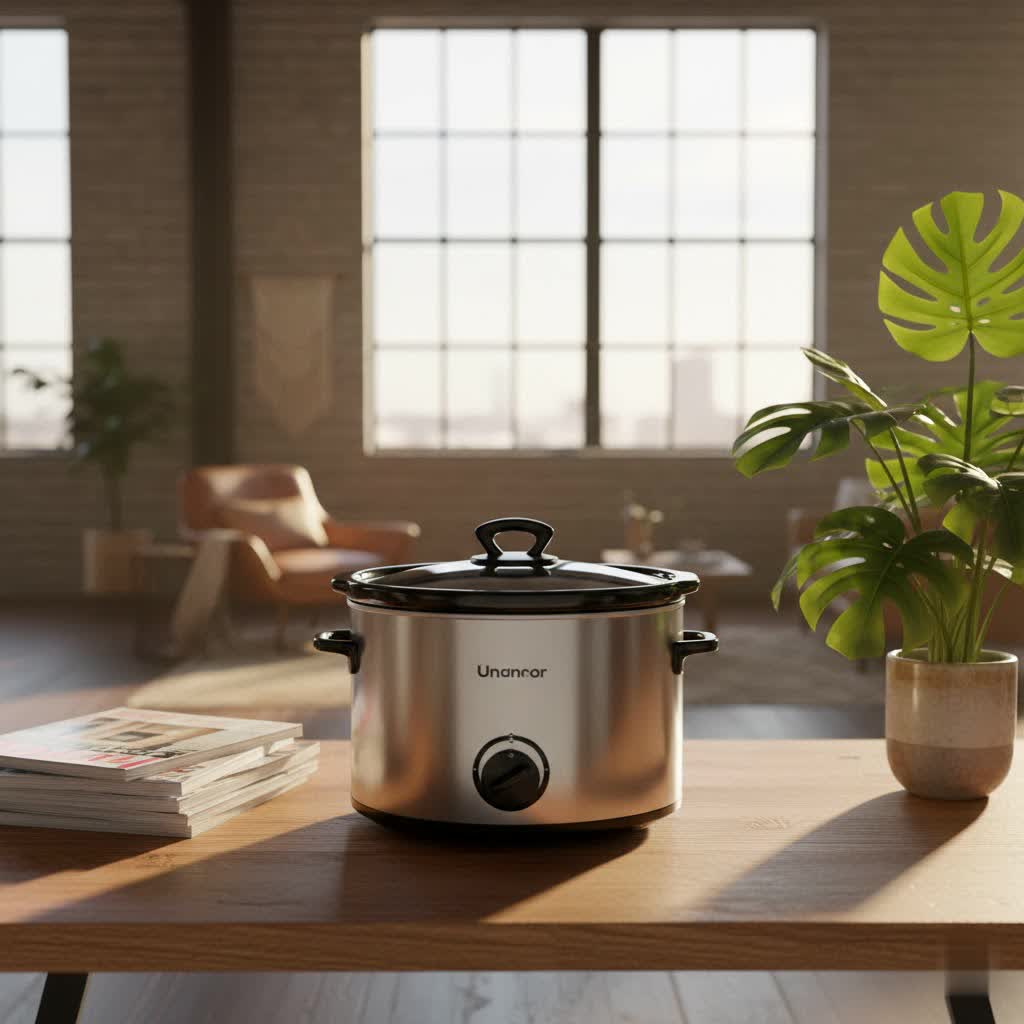
A slow cooker is an electric countertop appliance designed to cook food slowly at low temperatures over an extended period. Typically consisting of a ceramic or metal pot nestled within a heated housing and covered with a lid, it applies gentle, consistent heat to gradually tenderize ingredients and meld flavors. Its primary function is to transform tougher cuts of meat and various vegetables into succulent, flavorful meals, often with less effort than traditional cooking methods.
The concept of slow cooking isn’t new; early versions date back to the 1940s. Over decades, it has evolved from a basic “set it and forget it” device into a versatile appliance with advanced features. For commercial kitchens, this means robust construction, larger capacities, and specialized functions tailored to high-volume demands. The main components include the outer housing (which contains the heating element), the inner cooking pot (removable for serving and cleaning), and a lid (often glass to monitor progress without heat loss).
Why Use a Slow Cooker in a Commercial Setting?
Commercial slow cookers offer a multitude of benefits that are particularly valuable in a professional kitchen environment, contributing to both operational efficiency and culinary excellence.
First, they are a significant time and labor saver. Chefs and kitchen staff can load ingredients in the morning and allow dishes to simmer throughout the day or overnight, requiring minimal active supervision. This frees up personnel to focus on other critical tasks during peak hours. Secondly, slow cooking excels at preserving nutrition and enhancing flavor. The low, consistent heat breaks down tough fibers in meats and vegetables, resulting in incredibly tender textures and allowing flavors to deepen and meld beautifully. It’s ideal for extracting maximum taste from less expensive cuts of meat.
Furthermore, slow cookers enable diverse menu options. From hearty stews, chilis, and soups to succulent pulled pork, pot roasts, and even hot dips or fondues for buffets, the possibilities are vast. They can keep food warm at serving temperatures for extended periods, making them perfect for catering events, buffets, and meal prep services. Finally, modern commercial slow cookers prioritize safety and ease of use. Features like cool-touch handles, locking lids for transport, and automatic shut-off functions ensure safe operation in a busy kitchen. Their straightforward design often means simpler cleaning processes with many removable parts being dishwasher safe.
Popular Types of Slow Cookers
While the core principle of slow cooking remains the same, slow cookers come in several types, each offering different levels of control and functionality, which are important distinctions for commercial applications:
- Manual Slow Cookers: These are the most basic models, typically offering “High,” “Low,” and “Warm” settings. They require manual adjustment of settings and shut-off. While economical, they offer less precision for commercial use.
- Programmable Slow Cookers: Equipped with digital controls and timers, these allow chefs to set specific cooking durations. Many automatically switch to a “Keep Warm” setting once the cooking cycle is complete, preventing overcooking and maintaining serving temperature. This automation is highly beneficial in a commercial setting.
- Multi-Cookers: These versatile appliances combine slow cooking with other functions like pressure cooking, searing, sautéing, or steaming. Being able to brown meats directly in the same pot before slow cooking significantly enhances flavor and reduces dirty dishes, making them a powerful all-in-one solution for busy kitchens.
- Mini Slow Cookers: While primarily for residential use, smaller commercial-grade slow cookers can be valuable for holding sauces, gravies, or dips at a buffet line, ensuring they stay warm and ready for service.
- Commercial Cook & Hold Ovens: These are larger, heavy-duty units specifically designed for high-volume food service, often integrated into kitchen lines. They offer precise temperature and humidity control for cooking, roasting, and holding large quantities of food, extending beyond the typical countertop slow cooker in scope and capacity.
Comparison Table: Residential vs. Commercial Slow Cookers
Understanding the fundamental differences between residential and commercial-grade slow cookers is crucial for making an informed purchasing decision for your business.
| Feature | Residential Slow Cooker | Commercial Slow Cooker |
|---|---|---|
| Durability | Lighter duty, designed for occasional home use | Heavy-duty construction, robust materials (e.g., stainless steel), built for continuous, high-volume operation |
| Capacity | Typically 1-8 quarts (for individuals to large families) | Significantly larger, designed for bulk cooking (e.g., 6-quart to multi-gallon industrial units) |
| Power & Efficiency | Less powerful, suitable for home cooking needs | Highly efficient, powerful heating elements for consistent, fast results in demanding environments |
| Safety Features | Standard safety, less stringent | Stricter safety standards: cool-touch handles, locking lids, automatic shut-off, often NSF certified |
| Material | Ceramic, stoneware, aluminum, or lighter stainless steel | Primarily durable stainless steel, heavy-duty ceramic inserts |
| Controls | Basic manual dials to programmable digital timers | Precise temperature control, advanced programmable settings, often with HACCP monitoring capabilities |
| Price Range | Generally $30 – $200 | $150 – $1000+, depending on size and features |
| Longevity | Designed for several years of intermittent use | Built to withstand years of rigorous daily commercial operation |
Factors to Consider When Buying a Commercial Slow Cooker
Choosing the right commercial slow cooker is an investment that can significantly impact your kitchen’s operations. Consider these key factors to ensure you select a model that perfectly aligns with your needs:
Capacity
This is arguably the most critical factor for commercial use. The capacity of your slow cooker must match your production volume.
- Small businesses or specialized dishes: A 6-8 quart model might suffice for specific menu items or smaller batches.
- Medium-sized restaurants or catering: Look for units in the 10-20 quart range.
- Large-scale catering or institutional kitchens: Industrial-grade slow cookers or cook & hold ovens can range from 30 quarts to several gallons.
Consider how many servings you need to produce regularly and if you anticipate growth. It’s often better to err on the side of slightly larger capacity to accommodate future demand or unexpected events.
|
Our Picks for the Best Slow Cooker in 2026
As an Amazon Associate I earn from qualifying purchases.
|
||
| Num | Product | Action |
|---|---|---|
| 1 | Crock-Pot 7 Quart Oval Manual Slow Cooker, Stainless Steel (SCV700-S-BR), Versatile Cookware for Large Families or Entertaining |

|
| 2 | Ninja MC1101 Foodi Everyday Possible Cooker Pro, 8-in-1 Versatility, One-Pot Faster Cooking Replaces 10 Tools, Family-Sized Capacity with Adjustable Temp Control, 6.5 quarts, Midnight Blue |
|
| 3 | Crockpot SCV700-CH-BR Slow Cooker 7 quarts Charcoal |
|
| 4 | Hamilton Beach Slow Cooker, Extra Large 10 Quart, Stay or Go Portable With Lid Lock, Dishwasher Safe Crock, Black (33195) |
|
| 5 | Crock-Pot 6 Quart Programmable Slow Cooker with Timer and Auto Food Warmer Setting, Stainless Steel |
|
| 6 | Ninja® 12-in-1 PossibleCooker™ PLUS - 8.5-qt - Sous Vide & Proof Multi-Cooker - Slow Cooker, Dutch Oven & More - Glass Lid & Integrated Spoon - Nonstick - Oven Safe Pot to 500°F - Black - MC1010 |
|
| 7 | Crock-Pot 6 Quart Cook & Carry Programmable Slow Cooker with Digital Timer Stainless Steel (CPSCVC60LL-S) pack of 1 |
|
| 8 | Crock-Pot Large 8-Quart Programmable Slow Cooker with Auto Warm Setting Black Stainless Steel |
|
| 9 | 4-Quart Classic Slow Cooker – Programmable Small Crock Pot for Stews, Soups, Meats & Easy Meals, Removable Stoneware & Dishwasher-Safe Lid, Black |
|
| 10 | Crockpot Manual 7-Quart Slow Cooker Turquoise |
|
Material
The materials used in a commercial slow cooker directly impact its durability, heat retention, and ease of cleaning.
- Stainless Steel: Predominantly used for commercial units, stainless steel offers exceptional durability, corrosion resistance, and is easy to sanitize, meeting hygiene standards. Many have stainless steel exteriors with ceramic or non-stick coated inserts.
- Ceramic/Stoneware Inserts: These are excellent for even heat distribution and retention, which is crucial for slow cooking. They can also often be used for serving, and many are dishwasher safe. However, ceramic is heavier and more susceptible to cracking from thermal shock or impacts compared to metal.
- Non-stick Coatings: Some inserts feature non-stick coatings, making cleanup easier. Ensure any non-stick material used is PFOA/PFAS-free for health and safety.
Functions
Modern slow cookers, especially commercial ones, offer a range of features that enhance versatility and operational control.
- Programmable Settings: Essential for commercial kitchens, allowing precise control over cooking times and temperatures, often up to 24 hours.
- Automatic Keep Warm: This function automatically switches the cooker to a lower temperature once cooking is complete, safely holding food at serving temperature without overcooking.
- Temperature Probes: Advanced models may include internal temperature probes that monitor food doneness and automatically switch to “Keep Warm” when a target temperature is reached, ensuring food safety and perfect results.
- Searing/Sautéing Function: Multi-cooker models can allow you to sear meats or sauté vegetables directly in the cooking pot before slow cooking, building flavor and reducing the need for separate pans. This is a significant time and effort saver.
- Lid Features: Look for sturdy, glass lids for visibility. Hinged lids can be convenient for serving, while locking lids are invaluable for safe transport to catering events.
Brand Reputation
In the commercial equipment market, brand reputation is a strong indicator of reliability, durability, and customer support. Look for brands known for producing robust, high-performance commercial kitchen equipment. Examples of reputable commercial brands often found in food service supplies include Alto-Shaam, Cres Cor, Vollrath, and Cooking Performance Group, among others, which specialize in heavy-duty warming and cooking solutions. Researching customer reviews and industry certifications (like NSF) is also advisable.
Price
Commercial slow cookers represent a greater investment than residential models due to their larger capacity, durable construction, and advanced features. Prices can range significantly from a few hundred dollars for smaller commercial units to several thousand for large cook & hold ovens. Establish a budget, but prioritize features and durability that will contribute to long-term operational efficiency and reliability, rather than simply opting for the lowest price. Remember, a more expensive, robust unit may offer a lower total cost of ownership through less downtime and longer lifespan.
Top Commercial Slow Cookers for Food Service
For professional kitchens, reliability and performance are key. While specific models can vary by supplier and availability, here are types and features to look for from reputable commercial equipment brands:
- Large Capacity Programmable Units: Look for commercial-grade slow cookers from brands like Vollrath or Cres Cor. These often come in capacities ranging from 11 quarts up to several gallons, featuring robust stainless steel exteriors and programmable digital controls that allow for precise temperature and time management. Many include automatic “keep warm” functions and sturdy, transport-friendly designs.
- Cook and Hold Ovens: For truly high-volume operations, Alto-Shaam is a leading name in cook and hold technology. While not strictly a “slow cooker” in the traditional sense, their low-temperature ovens provide unparalleled consistency for slow cooking large roasts, briskets, and stews, holding them at perfect serving temperatures for extended periods. These are built for continuous, heavy-duty use in demanding environments.
- Multi-Function Commercial Cookers: Some commercial kitchens might benefit from heavy-duty multi-cookers that offer slow cooking alongside other methods like braising or steaming, providing versatility in a single footprint. Brands that offer robust kitchen equipment might have professional-grade versions of these.
- Countertop Warming/Holding Systems: For buffet lines or holding ready-made sauces and sides, compact yet durable countertop warmers with adjustable heat settings from brands like APW Wyott or Nemco serve a similar function to a small slow cooker, ensuring food remains at safe, palatable temperatures.
When considering a purchase, always verify that the unit is designed for commercial use and meets all relevant food safety and electrical certifications for your region.
Tips for Using and Maintaining Your Commercial Slow Cooker
Maximizing the lifespan and performance of your commercial slow cooker involves proper usage and diligent maintenance.
Usage Tips:
- Preheat if Necessary: Some recipes benefit from preheating the slow cooker, especially for shorter cooking times.
- Fill Appropriately: For optimal cooking, fill the slow cooker at least half full, but no more than two-thirds to three-quarters full, to prevent undercooking or boiling over.
- Resist Lifting the Lid: Each time the lid is lifted, heat escapes, adding approximately 20-30 minutes to the cooking time. Use a clear glass lid if you need to check progress.
- Layer Ingredients: Place harder, slower-cooking vegetables (like carrots and potatoes) at the bottom, then meat, and finally more delicate vegetables or dairy at the top.
- Brown Meats First: For richer flavor, brown meats in a separate pan or a multi-cooker’s sauté function before adding them to the slow cooker.
- Adjust Liquids: Slow cookers retain moisture very well, so reduce the amount of liquid compared to traditional stovetop recipes.
Maintenance Tips:
- Clean Immediately: After each use, allow the pot to cool slightly, then wash it thoroughly. Most removable ceramic or stainless steel inserts are dishwasher safe.
- Avoid Abrasives: Use non-abrasive cleaners and sponges to protect the interior surface of the cooking pot, especially if it has a non-stick coating.
- Inspect Regularly: Check the power cord, heating element, and lid for any signs of wear, damage, or cracking.
- Store Properly: Ensure the unit is completely dry before storing to prevent mold or mildew growth. Store in a cool, dry place.
Safety Considerations for Commercial Slow Cookers
Operating any commercial kitchen equipment requires strict adherence to safety protocols. Slow cookers, despite their low-heat operation, are no exception:
- Pre-use Inspection: Always inspect the slow cooker for any damage to the cord, plug, or housing before each use. Do not operate a damaged appliance.
- Proper Placement: Place the slow cooker on a stable, flat, heat-resistant surface, away from walls or flammable materials, and out of reach of children or unauthorized personnel. Ensure adequate ventilation.
- Food Safety Temperatures: Ensure the slow cooker reaches and maintains safe cooking temperatures (above 140°F / 60°C) to prevent bacterial growth. Use a calibrated food thermometer to verify internal food temperatures.
- Avoid Cross-Contamination: Use separate utensils for raw and cooked foods.
- Do Not Overfill: Overfilling can lead to spills and uneven cooking, creating potential hazards.
- Cool-Touch Handles: Always use oven mitts or rely on cool-touch handles if available, as the exterior of the cooker can still get hot.
- Unplug After Use: Always unplug the slow cooker when not in use and before cleaning.
- Never Immerse the Base: The heating element base should never be immersed in water.
- Follow Manufacturer Guidelines: Adhere strictly to the manufacturer’s specific operating and safety instructions for your model.
Conclusion
A commercial slow cooker is more than just a kitchen appliance; it’s a strategic asset for any food service operation seeking to enhance efficiency, reduce labor costs, and consistently deliver high-quality, flavorful dishes. By understanding the critical distinctions from residential models and carefully considering factors like capacity, material, and programmable features, you can select a heavy-duty unit that integrates seamlessly into your workflow. With proper usage and diligent maintenance, your commercial slow cooker will become an invaluable workhorse, allowing you to master the art of “low and slow” cooking on a large scale.
What culinary creations will you bring to life with the power of commercial slow cooking?
Frequently Asked Questions
What capacity slow cooker is best for a small restaurant or catering business?
For a small restaurant or catering business, a commercial slow cooker with a capacity of 10 to 20 quarts is often ideal. This size strikes a good balance, allowing for batch cooking of popular dishes like pulled pork or chili, while still being manageable in most kitchen layouts. Always consider your specific menu and average serving volume to determine the perfect fit.
Can commercial slow cookers also brown meat?
Some advanced commercial slow cookers, particularly multi-cooker models, include a searing or sautéing function that allows you to brown meat directly in the cooking pot. This feature is highly beneficial as it builds richer flavors and reduces the need for additional cookware, streamlining your prep process in a busy commercial kitchen.
What is the typical lifespan of a commercial slow cooker compared to a residential one?
A commercial slow cooker is engineered for heavy-duty, continuous use, typically offering a significantly longer lifespan than a residential model. While a residential slow cooker might last several years with occasional use, a well-maintained commercial unit, often constructed with robust stainless steel components, can endure rigorous daily operation for many years, providing a solid return on investment.
Are commercial slow cookers energy efficient?
Many modern commercial slow cookers are designed with efficiency in mind. Their low-heat, long-duration cooking method can be surprisingly energy-efficient compared to continually running larger ovens or stovetop burners for simmering. Programmable settings and well-insulated designs further contribute to energy savings by maintaining consistent temperatures without excessive power consumption.
What are common maintenance practices for commercial slow cookers?
Key maintenance practices for commercial slow cookers include thorough cleaning after each use, ensuring all removable parts (like the inner pot) are washed and dried properly. Regularly inspect the power cord, heating element, and lid for any signs of wear or damage. Storing the unit in a dry place when not in use helps prevent issues and ensures longevity.
