Imagine returning home after a long day to the comforting aroma of a perfectly cooked meal, ready and waiting. This isn’t a dream; it’s the everyday reality for millions thanks to the humble slow cooker. These countertop workhorses revolutionize meal preparation, transforming tough cuts of meat into tender delights and simmering rich stews with minimal effort. If you’re looking to simplify your kitchen routine, embrace healthier eating, or just enjoy delicious, hassle-free dinners, buying a slow cooker is an investment that pays dividends in convenience and flavor. Let’s delve into everything you need to know to choose the ideal slow cooker for your culinary adventures.
What is a Slow Cooker?
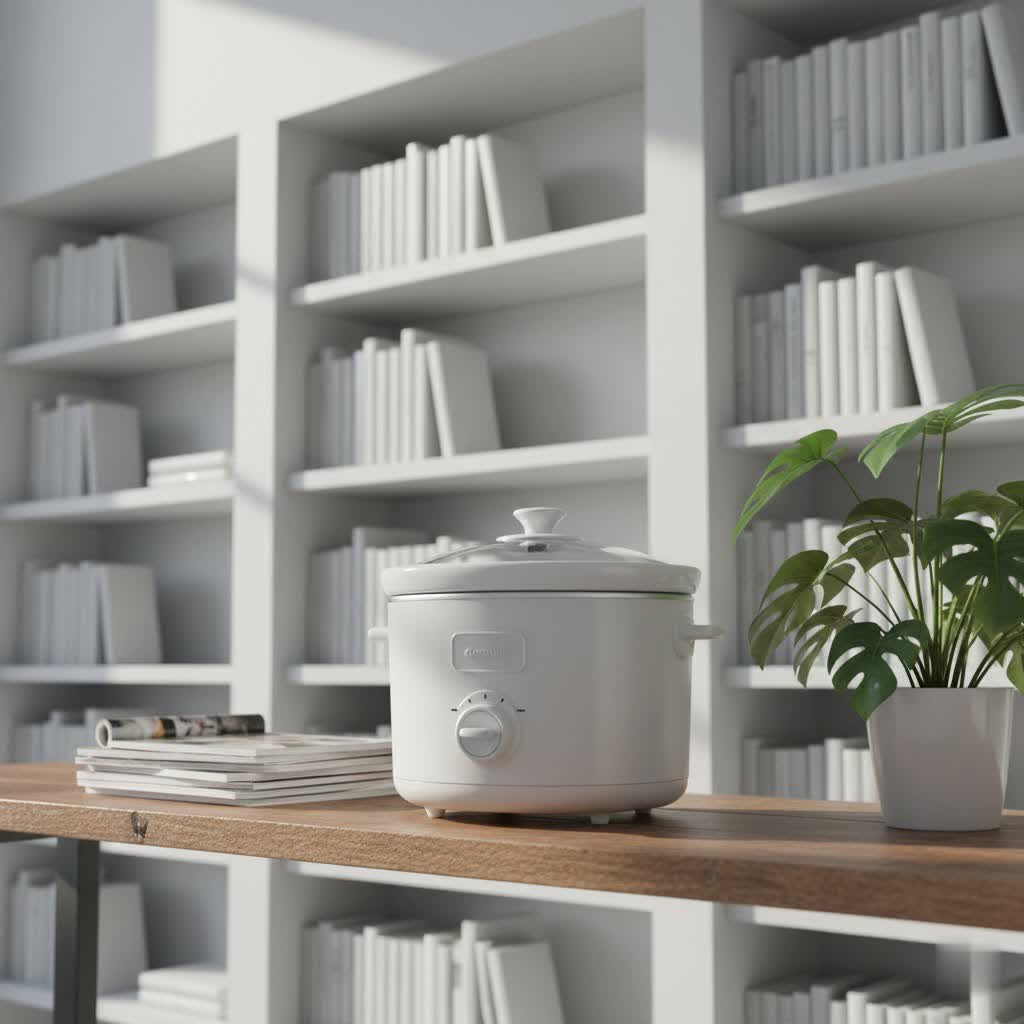
A slow cooker, often affectionately called a Crock-Pot (after one of the most famous brands), is an electric countertop appliance designed to cook food at low temperatures over an extended period. Its primary purpose is to gently simmer ingredients, allowing flavors to meld beautifully and tenderizing even the toughest cuts of meat without drying them out. Unlike a pressure cooker, which speeds up cooking, the slow cooker takes its time, typically hours, to achieve its delicious results.
Historically, slow cookers have been around for decades, evolving from basic models to the feature-rich appliances we see today. At its core, a slow cooker consists of a heating base, a removable cooking pot (usually made of ceramic, stoneware, or metal), and a lid, typically glass, that seals in moisture and heat. The heating elements, usually located in the base and sometimes along the sides, ensure even heat distribution for consistent cooking.
Why Use a Slow Cooker?
The appeal of the slow cooker extends far beyond its ability to cook food. It’s a game-changer for busy households and anyone seeking more efficient ways to prepare meals.
Firstly, slow cookers are incredible time and effort savers. You can toss in ingredients in the morning, set it, and forget it, returning hours later to a fully cooked meal. This frees up your day for work, errands, or quality time with family.
Secondly, they excel at retaining nutrition and enhancing flavor. The low, slow cooking process helps to preserve delicate nutrients that might be lost with high-heat methods. Moreover, it allows flavors to develop deeply, resulting in incredibly rich and succulent dishes where ingredients truly marry together.
The versatility of a slow cooker is also a major draw. While renowned for hearty stews, chili, and pot roasts, these appliances can tackle an astonishing variety of dishes, from soups and casseroles to pulled pork, baked potatoes, and even desserts like cobblers and cheesecakes. Some advanced models can even steam, sear, or sauté.
Finally, modern slow cookers are designed with safety and ease of use in mind. Their insulated structure and low temperatures make them safe to leave cooking unattended for hours. Most models feature simple controls, and many come with automatic settings that switch to “keep warm” once cooking is complete, preventing overcooking and ensuring your food is ready when you are. “The convenience of a slow cooker means you spend less time in the kitchen and more time enjoying your life, all while serving up nutritious and flavorful meals.” – Admin, ReviewBhai.com, Slow Cooker Expert.
Popular Types of Slow Cookers
The slow cooker market offers a range of options, each catering to different needs and cooking styles. Understanding the distinctions can help you pinpoint the best fit.
The manual slow cooker is the most basic and often the most affordable type. These models typically feature simple controls: High, Low, and sometimes a Warm setting. You manually turn them on and off, making them ideal for those who prefer straightforward operation and don’t need advanced features like timers or automatic transitions.
Next up are programmable slow cookers. These models offer enhanced convenience with digital controls that allow you to set specific cooking times. Once the set time elapses, many programmable slow cookers automatically switch to a “keep warm” setting, ensuring your food stays at serving temperature without overcooking. This feature is particularly beneficial for busy individuals who might not be home exactly when the meal finishes cooking.
Multi-cookers are versatile kitchen appliances that combine the slow cooking function with several other cooking methods. Many popular multi-cookers, such as Instant Pots, include capabilities like pressure cooking, searing/sautéing, steaming, rice cooking, and even yogurt making. While often more expensive, a multi-cooker can be a space-saving solution, consolidating several kitchen gadgets into one unit.
For individuals or small households, mini slow cookers (typically 1.5 to 3 quarts) are an excellent choice. They are compact, take up less counter space, and are perfect for preparing single servings, small side dishes, dips, or meals for one or two people.
Comparison Table of Slow Cooker Types
| Feature | Manual Slow Cooker | Programmable Slow Cooker | Multi-Cooker (with Slow Cook) | Mini Slow Cooker |
|---|---|---|---|---|
| Price | Low (£20-£50) | Mid-range (£40-£80) | High (£80-£200+) | Low (£20-£50) |
| Capacity | Various (3-8+ quarts) | Various (3-8+ quarts) | Various (4-10+ quarts) | Small (1.5-3 quarts) |
| Functions | High, Low, (Warm) | High, Low, Warm, Digital Timer | Slow Cook, Pressure Cook, Sear/Sauté, Steam, Bake, etc. | High, Low, (Warm) |
| Material | Ceramic/Stoneware pot common | Ceramic/Stoneware or Metal pot | Stainless steel or Ceramic pot | Ceramic/Stoneware pot common |
| Pros | Simple, reliable, affordable | Convenient, prevents overcooking | Extremely versatile, space-saving | Compact, perfect for small portions |
| Cons | No auto-shutoff/timer | Generally single-function | More complex, higher cost, can be bulky | Limited capacity, not for large meals |
Factors to Consider When Buying a Slow Cooker (Buying Guide)
Choosing the right slow cooker involves evaluating several key features to ensure it aligns with your lifestyle and cooking habits.
Capacity
The capacity of your slow cooker is paramount. It’s measured in quarts or liters and should match the size of your household and how much you typically cook.
- 1.5 – 3 quarts: Ideal for single individuals, couples, or preparing small side dishes and dips.
- 4 – 5 quarts: Suitable for small families of 3-4 people.
- 6 – 8 quarts: Perfect for larger families (5+ people), batch cooking, entertaining, or preparing big cuts of meat like whole chickens or roasts.
- 8+ quarts: Best for very large families, gatherings, or extensive meal prepping.
|
Our Picks for the Best Slow Cooker in 2026
As an Amazon Associate I earn from qualifying purchases.
|
||
| Num | Product | Action |
|---|---|---|
| 1 | 4-Quart Classic Slow Cooker – Programmable Small Crock Pot for Stews, Soups, Meats & Easy Meals, Removable Stoneware & Dishwasher-Safe Lid, Black |

|
| 2 | Crock-Pot 6 Quart Cook & Carry Programmable Slow Cooker with Digital Timer Stainless Steel (CPSCVC60LL-S) pack of 1 |
|
| 3 | Ninja MC1101 Foodi Everyday Possible Cooker Pro, 8-in-1 Versatility, One-Pot Faster Cooking Replaces 10 Tools, Family-Sized Capacity with Adjustable Temp Control, 6.5 quarts, Midnight Blue |
|
| 4 | Crockpot Manual 7-Quart Slow Cooker Turquoise |
|
| 5 | Crock-Pot Large 8-Quart Programmable Slow Cooker with Auto Warm Setting Black Stainless Steel |
|
| 6 | Ninja® 12-in-1 PossibleCooker™ PLUS - 8.5-qt - Sous Vide & Proof Multi-Cooker - Slow Cooker, Dutch Oven & More - Glass Lid & Integrated Spoon - Nonstick - Oven Safe Pot to 500°F - Black - MC1010 |
|
| 7 | Crockpot SCV700-CH-BR Slow Cooker 7 quarts Charcoal |
|
| 8 | Crock-Pot 6 Quart Programmable Slow Cooker with Timer and Auto Food Warmer Setting, Stainless Steel |
|
| 9 | Crock-Pot 7 Quart Oval Manual Slow Cooker, Stainless Steel (SCV700-S-BR), Versatile Cookware for Large Families or Entertaining |
|
| 10 | Hamilton Beach Slow Cooker, Extra Large 10 Quart, Stay or Go Portable With Lid Lock, Dishwasher Safe Crock, Black (33195) |
|
Consider if you want leftovers or plan to freeze meals; if so, opt for a slightly larger capacity than your immediate serving needs.
Material
The materials used in a slow cooker impact its performance, durability, and ease of cleaning.
- Cooking Pot:
- Ceramic or Stoneware: These are traditional choices, known for excellent heat retention and even cooking. They are typically heavy and can be fragile if dropped. Many have non-stick coatings and are dishwasher-safe, making cleanup straightforward.
- Metal (Aluminum or Steel): Lighter than ceramic, metal pots often feature non-stick surfaces. A significant advantage is that many metal pots are stovetop-safe, allowing you to sear meat or sauté vegetables directly in the pot before slow cooking, which adds immense flavor and reduces extra dishes. However, they might be more prone to hot spots if the heating element isn’t well-designed.
- Lid: A glass lid is highly recommended as it allows you to monitor the cooking process without lifting the lid, which releases precious heat and extends cooking time. Look for lids with a tight seal to prevent moisture and heat loss.
- Exterior: The outer casing is usually plastic or stainless steel. Both are generally easy to wipe clean.
Functions
Beyond the basic Low, High, and Warm settings, modern slow cookers offer a range of functions that can enhance your cooking experience.
- Basic Functions: All slow cookers will have at least “Low” and “High” settings. “Low” cooks slower and is often preferred for tenderness, while “High” cooks faster. A “Warm” setting is crucial for keeping food at serving temperature without overcooking once the main cooking cycle is complete.
- Advanced Functions:
- Digital Timer: Allows you to set precise cooking durations.
- Programmable Settings: Enables the cooker to automatically switch from a cooking setting (High/Low) to “Warm” once the timer expires.
- Delay Start: Lets you program the slow cooker to begin cooking at a later time. (Use with caution for food safety, especially with perishable ingredients).
- Temperature Probe: Some advanced models include a probe that monitors the internal temperature of your food, switching to “Warm” once the desired temperature is reached. This is fantastic for perfectly cooked meats.
- Sear/Sauté Function: Found in multi-cookers or specialized slow cookers with stovetop-safe inserts, this allows you to brown ingredients before slow cooking, building layers of flavor in the same pot.
- Locking Lid: Essential if you plan to transport your slow cooker for potlucks or parties, preventing spills.
Brand
Several reputable brands dominate the slow cooker market, known for their reliability and innovation.
- Crock-Pot: The original and often synonymous with slow cookers, offering a wide range of manual and programmable models.
- Hamilton Beach: Known for producing durable and feature-rich slow cookers at competitive prices.
- Ninja: Offers high-power slow cookers and multi-cookers with advanced features like “Triple Fusion Heat” for versatile cooking.
- Instant Pot: While primarily known as a pressure cooker, many Instant Pot models include excellent slow cooking functions, making them popular multi-cookers.
- Other notable brands include Cuisinart, Black+Decker, Elite Gourmet, GreenLife, and Morphy Richards, each offering unique features and price points.
Researching customer reviews and ratings for specific models from these brands can provide valuable insights into their real-world performance and durability.
Price
Slow cookers come in a broad range of prices, generally reflecting their size, brand, and included features.
- Budget-Friendly (£20-£50): You can find reliable manual slow cookers and smaller programmable models in this range. These are great for basic slow cooking needs without many extra bells and whistles.
- Mid-Range (£50-£100): This segment offers larger capacities, more advanced programmable features, and often better build quality from trusted brands.
- Premium (£100+): Multi-cookers, large capacity slow cookers with extensive features (like sear/sauté, temperature probes), or those from high-end brands will fall into this category. The increased cost often brings greater versatility and convenience.
Determine your budget, but also consider the long-term value. A slightly more expensive model with features you’ll use frequently could be a better investment than a cheap one that doesn’t quite meet your needs.
Top-Rated Slow Cookers Available Today
When looking to buy a slow cooker, several models consistently receive high praise for their performance and features. Here are a few examples that stand out:
- Hamilton Beach Portable 6-Quart Set & Forget Slow Cooker: Often lauded as a top pick, this programmable slow cooker features a built-in temperature probe and a locking lid, making it excellent for both cooking and transporting. It offers great value for its robust feature set.
- Ninja Foodi PossibleCooker (8-in-1): This multi-cooker is praised for its powerful Triple Fusion Heat technology, which combines side, base, and steam heat for more even cooking and allows for searing, sautéing, and baking in addition to slow cooking. Its large capacity makes it ideal for families.
- Crock-Pot 8-Quart Programmable Slow Cooker: A reliable choice for larger families, this model offers generous capacity and programmable settings, ensuring food is kept warm automatically.
- GreenLife Cook Duo 6-Quart Nonstick Slow Cooker: A great budget-friendly option, this slow cooker is lightweight and features a nonstick interior that’s often stovetop and oven-safe. It also includes a “delay start” function.
- Instant Pot Duo 7-in-1 Electric Cooker: While known for pressure cooking, this popular multi-cooker excels at slow cooking, offering numerous preset functions and a durable stainless steel inner pot.
These examples highlight the diversity in the market, from dedicated slow cookers with intelligent features to versatile multi-cookers that save space and time.
Tips for Using and Maintaining Your Slow Cooker
To get the most out of your slow cooker and ensure its longevity, follow these practical tips.
Using Your Slow Cooker Correctly:
- Prep Ingredients: Cut ingredients into uniform sizes for even cooking. Place root vegetables (potatoes, carrots) at the bottom, as they cook slower.
- Liquid Level: Don’t overfill. Most recipes suggest filling the pot between half and two-thirds full. Slow cookers retain moisture, so you’ll need less liquid than conventional cooking.
- Avoid Lifting the Lid: Each time you lift the lid, significant heat escapes, extending the cooking time by 15-20 minutes. Use a glass lid to monitor progress.
- Browning Meat: For richer flavor and color, sear meats on a stovetop before adding them to the slow cooker, especially if your slow cooker doesn’t have a sear function.
Mẹo Nấu Ăn Ngon Với Nồi Nấu Chậm (Tips for Delicious Slow Cooker Meals):
- Season Generously: Slow cooking can mellow flavors, so be liberal with herbs, spices, and salt.
- Dairy Last: Add dairy products like milk, cream, or cheese towards the end of the cooking process to prevent curdling.
- Fresh Herbs: Stir in delicate fresh herbs like parsley or cilantro just before serving for vibrant flavor.
Cleaning and Storage:
- Always Unplug: Before cleaning, always ensure your slow cooker is unplugged and has cooled down.
- Dishwasher-Safe Parts: Most removable ceramic or metal inserts and glass lids are dishwasher-safe, making cleanup very easy.
- Hand Washing: For non-dishwasher-safe parts or larger inserts, use warm, soapy water and a non-abrasive sponge.
- Liner Use: Consider using slow cooker liners for extremely messy dishes or easy cleanup, though they are not necessary for every meal.
- Storage: Store the slow cooker in a dry, safe place. If space is an issue, consider a compact model or a multi-cooker that serves several functions.
Safety Precautions for Slow Cookers
While slow cookers are generally very safe, following basic precautions can prevent issues and ensure worry-free cooking.
- Inspect Before Use: Always check the power cord, pot, and lid for any signs of damage before each use. Never use a slow cooker with frayed cords or cracked pots.
- Stable Surface: Place your slow cooker on a sturdy, flat, heat-resistant surface, away from the edge of the counter and out of reach of children and pets. Ensure adequate ventilation around the unit.
- Avoid Extreme Temperature Changes: Do not place a hot ceramic pot directly into cold water, or vice versa, as this can cause it to crack.
- Do Not Overfill: Overfilling can lead to spills and potential electrical hazards.
- Unplug After Use: Once cooking is complete or when the “keep warm” cycle has ended, always unplug the slow cooker from the wall outlet.
- Food Safety: For delay start functions, be mindful of how long perishable ingredients sit at room temperature. It’s generally recommended not to delay cooking for more than two hours for food safety reasons.
Following these simple guidelines will help you enjoy delicious, safely prepared meals from your slow cooker for years to come.
In the realm of modern kitchen appliances, the slow cooker stands out as a true culinary champion, offering unparalleled convenience and consistently delicious results. Whether you’re a busy parent, a student, or simply someone who appreciates the joy of a home-cooked meal without the fuss, investing in a slow cooker can transform your daily routine. From understanding the core components to selecting the right capacity and features, making an informed choice ensures your slow cooker becomes a beloved and invaluable tool in your kitchen. So, are you ready to unlock a world of effortless culinary possibilities?
Frequently Asked Questions
What is the difference between a manual and a programmable slow cooker?
A manual slow cooker offers basic settings like High, Low, and Warm, requiring you to physically turn it on and off. A programmable slow cooker includes a digital timer, allowing you to set specific cooking durations after which it often automatically switches to a “keep warm” setting, providing greater convenience.
Can I sear meat in any slow cooker?
No, not all slow cookers allow you to sear meat. Traditional slow cookers only cook at low temperatures. However, some newer multi-cookers or specialized slow cookers come with a “sear” or “sauté” function, often utilizing a stovetop-safe inner pot, allowing you to brown ingredients directly in the unit before slow cooking.
What slow cooker capacity is best for a family of four?
For a family of four, a slow cooker with a capacity of 4 to 6 quarts (approximately 3.8 to 5.7 liters) is generally recommended. This size is typically sufficient for preparing main dishes with enough servings for everyone, and potentially some leftovers.
Are slow cookers expensive to run?
No, slow cookers are generally very economical to run. They use significantly less energy than a conventional oven and are designed for long, low-power operation. This efficiency, combined with the ability to cook cheaper cuts of meat and budget-friendly ingredients, makes them a cost-effective kitchen appliance.
