Imagine walking into your home after a long day, greeted by the comforting aroma of a delicious, home-cooked meal, ready and waiting. This isn’t a fantasy for busy individuals and families, but a daily reality thanks to the humble yet powerful slow cooker. These countertop workhorses have revolutionized meal preparation, allowing you to create mouth-watering dishes with minimal effort and maximum flavor. Whether you’re a seasoned chef or new to the kitchen, understanding the ins and outs of slow cooking can transform your culinary routine, making healthy, satisfying meals more accessible than ever. Let’s delve into the world of slow cookers and uncover how to choose and use the perfect one for your needs.
What Exactly is a Slow Cooker?
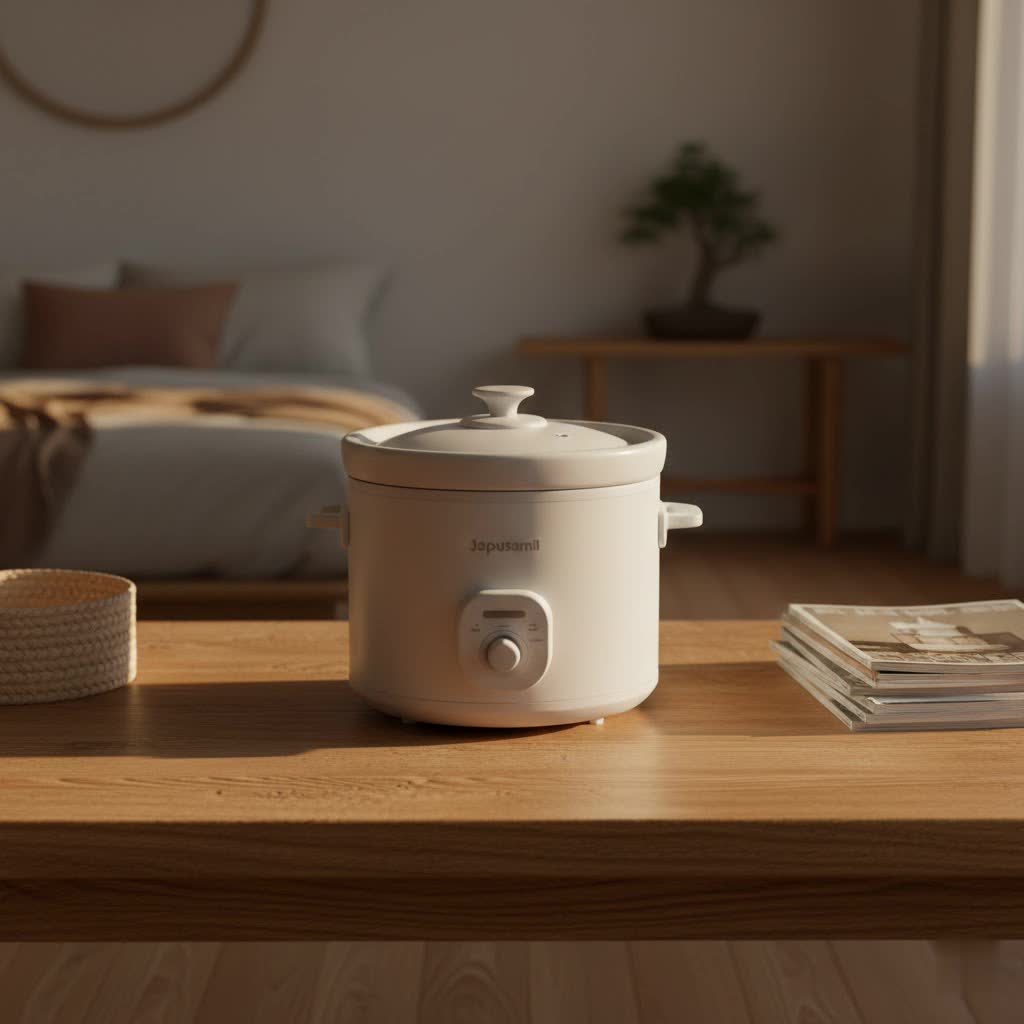
At its core, a slow cooker is a countertop electrical appliance designed to simmer food at low, consistent temperatures over extended periods. Unlike traditional cooking methods that use high heat for quick results, slow cookers gently cook ingredients for many hours, facilitating unattended preparation of dishes like stews, roasts, and soups.
The concept of “low and slow” cooking has roots centuries old, but the modern electric slow cooker gained prominence in the United States during the 1940s. Inspired by his mother’s stories of traditional Jewish cholent stew, which was cooked slowly overnight in a bakery oven, inventor Irving Naxon developed an appliance to replicate this method. His “Naxon Beanery All-Purpose Cooker” eventually evolved after Rival Company acquired the patent in 1970, rebranding it as the now-iconic Crock-Pot. This made slow cooking a staple in kitchens as more women entered the workforce, offering a convenient way to prepare meals before leaving home and return to a cooked dinner.
A typical slow cooker comprises a few key components: an outer housing (often metal) containing an electric heating element, a removable inner cooking pot (usually made of glazed ceramic or stoneware), and a tight-fitting lid (frequently glass). The heating element surrounds the inner pot, ensuring even heat distribution, while the lid seals in moisture and heat, creating a low-pressure environment that tenderizes ingredients beautifully.
Why Embrace Slow Cooking?
The benefits of incorporating a slow cooker into your kitchen arsenal are numerous, ranging from practical conveniences to culinary advantages.
- Time and Effort Saving: Perhaps the most celebrated advantage, slow cookers offer true “set it and forget it” convenience. You can simply add ingredients in the morning, turn it on, and return hours later to a fully cooked meal, freeing up your day for other activities.
- Enhanced Flavor and Nutrition: The extended, low-temperature cooking process allows flavors to meld and deepen, resulting in richer, more complex dishes. It’s also excellent for tenderizing tougher, less expensive cuts of meat, turning them into succulent, fall-off-the-bone delights. Additionally, because less liquid evaporates and nutrients are locked in, slow cooking helps retain vitamins and minerals.
- Versatility in the Kitchen: From hearty stews, chilis, and pot roasts to pulled pork, soups, desserts, and even hot dips, the slow cooker is incredibly versatile. It can handle a wide array of recipes, making it suitable for any meal of the day or occasion.
- Safety and Ease of Use: Designed for unattended operation, slow cookers are generally safe to leave running for many hours. Their straightforward controls and simple operation make them accessible for cooks of all skill levels.
- Energy Efficiency: Compared to a conventional oven, slow cookers typically use less electricity, making them a more energy-efficient and cost-effective cooking method, especially for long cooking durations. They also don’t heat up your kitchen like an oven, a welcome perk during warmer months.
Exploring Common Slow Cooker Types
The world of slow cookers has expanded beyond basic models, offering various types to suit diverse cooking needs and preferences.
- Manual Slow Cookers: These are the most basic and often the most affordable models. They typically feature a simple dial with settings like “High,” “Low,” and “Warm.” You manually select the desired setting and turn it off when cooking is complete. They are reliable for straightforward recipes where precise timing isn’t critical.
- Programmable Slow Cookers: Offering more control and flexibility, programmable models allow you to set a specific cooking time (e.g., 4 hours on high, 8 hours on low). Once the cooking time is complete, many will automatically switch to a “Keep Warm” setting, ensuring your food stays at a safe serving temperature until you’re ready to eat. This feature is ideal for busy schedules.
- Multi-Cookers: These appliances are true multitaskers, combining the functionality of a slow cooker with other cooking methods. Many multi-cookers offer pressure cooking, searing, sautéing, steaming, and even baking functions, all in one pot. Brands like Instant Pot are well-known for their multi-cooker capabilities. They save counter space but often come with a steeper learning curve due to their numerous settings.
- Mini Slow Cookers: With capacities ranging from 1 to 2 quarts, mini slow cookers are perfect for preparing small portions, side dishes, hot dips, or meals for one or two people. They are compact and convenient for smaller kitchens or for transporting food to gatherings.
Comparing Slow Cooker Types: A Quick Look
| Feature | Manual Slow Cooker | Programmable Slow Cooker | Multi-Cooker | Mini Slow Cooker |
|---|---|---|---|---|
| Price | Low | Medium | High | Low |
| Capacity | Varied (2-8+ quarts) | Varied (3-8+ quarts) | Varied (3-8+ quarts) | Small (1-2 quarts) |
| Functions | High, Low, Warm | High, Low, Warm, Timer, Auto-Warm | Slow Cook, Pressure Cook, Sear, Sauté, Steam, etc. | High, Low, Warm (basic) |
| Material | Ceramic/Stoneware | Ceramic/Stoneware | Stainless Steel/Nonstick | Ceramic/Stoneware |
| Pros | Simple, affordable | Convenient, flexible | Highly versatile, space-saving | Compact, ideal for small portions/dips |
| Cons | Requires manual shut-off | More expensive than manual | Complex, highest cost | Limited capacity |
Your Essential Slow Cooker Buying Guide
Choosing the right slow cooker involves considering several factors to ensure it perfectly matches your cooking habits and lifestyle.
- Capacity: This is arguably the most crucial decision.
- 1-2 Quarts: Ideal for single servings, hot dips, sauces, or warming appetizers.
- 3-4 Quarts: Suitable for one or two people, or preparing smaller batches of meals.
- 5-6 Quarts: The most popular “family size,” accommodating meals for 3-6 people, including whole chickens or small roasts.
- 7-8+ Quarts: Best for large families, entertaining, or extensive meal prepping with plenty of leftovers.
- Material: The inner cooking pot is typically made of either ceramic (stoneware) or metal (often aluminum with a nonstick coating).
- Ceramic/Stoneware: Heavier, provides very even heat distribution, retains heat well, and looks attractive for direct serving. However, it can be fragile and prone to cracking if subjected to extreme temperature changes or drops.
- Metal (Aluminum/Stainless Steel): Lighter, heats up faster, and some are stovetop-safe for browning ingredients before slow cooking. They may have nonstick coatings for easier cleaning but might not distribute heat as evenly as ceramic.
- Features: Modern slow cookers come with a range of features that enhance convenience and functionality.
- Basic Settings: “High,” “Low,” and “Warm” are standard. High cooks faster (approx. 2-4 hours), Low cooks slower (approx. 6-8 hours), and Warm keeps food at a safe serving temperature without overcooking.
- Programmable Timer: Allows you to set a precise cooking duration, after which the unit typically switches to “Warm” automatically.
- Temperature Probe: For meats, this probe can be inserted into the food, and the cooker will switch to “Warm” or shut off once the target internal temperature is reached.
- Locking Lid: Essential for portability, preventing spills when transporting your slow-cooked dishes to potlucks or gatherings.
- Digital Display: Offers clear readability and often more precise control over settings.
- Multi-Functionality: As discussed with multi-cookers, features like searing, sautéing, or steaming can eliminate the need for separate pans.
- Wi-Fi Connectivity: Some advanced models allow you to control and monitor your slow cooker remotely via a smartphone app.
- Brand: While many brands offer quality slow cookers, established names like Crock-Pot (the original), Hamilton Beach, Cuisinart, and Instant Pot are consistently well-regarded for their reliability and innovation. Researching specific models within these brands can help you find the best fit.
- Price: Slow cookers range from very affordable manual models (under $50) to high-end multi-cookers with advanced features (over $150). Determine your budget and prioritize the features most important to you.
Top Slow Cookers on the Market Today
The slow cooker market is robust, with models catering to every preference. While specific models frequently change, general categories of top-performers consistently emerge:
- Best Overall: Often multi-cookers or programmable models that offer a blend of versatility, consistent performance, and user-friendly interfaces. These typically excel at tenderizing meats and seamlessly integrating various cooking stages.
- Best Budget: Manual or basic programmable slow cookers that provide reliable “low and slow” cooking without extra bells and whistles. These are perfect for those new to slow cooking or seeking a straightforward appliance.
- Most Versatile: Multi-cookers that truly shine with their ability to pressure cook, sauté, steam, and slow cook, making them kitchen workhorses for diverse recipes.
- Best Portable: Models featuring secure locking lids, sturdy handles, and often a “Keep Warm” setting, making them ideal for transporting food safely.
- Best Large Capacity: 7-quart and 8-quart programmable slow cookers designed to feed big crowds, with ample space for large cuts of meat or batch cooking.
When selecting, consider reviews that highlight consistent heating, ease of cleaning, and durability, as these are critical for long-term satisfaction.
Tips for Using and Maintaining Your Slow Cooker
To get the most out of your slow cooker and ensure delicious, safe meals, follow these essential tips:
- Fill It Correctly: For optimal cooking and to prevent damage, always fill your slow cooker between one-half and two-thirds full. Too little food can overcook or dry out quickly, while overfilling might lead to uneven cooking or spills.
- Resist Lifting the Lid: Every time you lift the lid, significant heat escapes, prolonging the cooking time by as much as 20-30 minutes. Use a glass lid to monitor progress without releasing heat and moisture.
- Adjust Liquids Wisely: Slow cookers retain most of the moisture, so you generally need less liquid than conventional stovetop or oven recipes. Reduce the liquid by about one-third, unless the recipe specifically states otherwise.
- Pre-thaw Meats: Never cook frozen meat directly in a slow cooker. It takes too long for frozen meat to reach a safe temperature, allowing harmful bacteria to multiply. Always thaw meat thoroughly in the refrigerator before adding it to the slow cooker.
- Layer Ingredients Strategically: Place root vegetables (like carrots and potatoes) at the bottom, as they take longer to cook and benefit from direct heat. Meats go next, followed by more delicate vegetables and liquids.
- Clean Promptly: Most ceramic or stoneware inserts and glass lids are dishwasher-safe, making cleanup easy. For stubborn stuck-on food, soak the insert with warm, soapy water. Avoid abrasive cleaners that could damage the finish.
- Inspect Before Use: Always check the power cord for any fraying or damage and the ceramic insert for chips or cracks before each use.
Important Safety Considerations
While slow cookers are generally safe for unattended cooking, adhering to certain safety guidelines is crucial to prevent accidents and ensure food safety.
- Proper Placement: Always place your slow cooker on a flat, stable, and heat-resistant surface, such as a kitchen counter, away from the sink, other appliances, curtains, or flammable materials. The base can get warm during operation.
- Electrical Safety: Ensure the slow cooker’s cord and plug are in good condition. Plug it directly into a wall outlet; avoid extension cords. If possible, use a Ground Fault Circuit Interrupter (GFCI) outlet for added protection against electrical hazards. Always ensure your hands are dry when plugging in or unplugging the unit.
- Food Safety Temperatures: Slow cookers are designed to reach safe temperatures (above 140°F/60°C) within four hours. If there’s a power outage during cooking, and you are not home to monitor it, discard the food to avoid foodborne illness. If you are home, finish cooking the meal immediately using an alternative method.
- No Frozen Meat: As mentioned, do not cook frozen meat in a slow cooker, as it spends too much time in the “danger zone” where bacteria thrive.
- Avoid Reheating: Slow cookers are not ideal for reheating leftovers, as they take too long to reach a safe reheating temperature. Use a stovetop, oven, or microwave for reheating, then transfer to the slow cooker’s “Warm” setting if desired.
- Don’t Overfill or Underfill: Stick to the recommended fill levels (half to two-thirds full) to ensure even cooking and prevent potential electrical issues from boil-overs.
- Follow Manufacturer Instructions: Always refer to your slow cooker’s manual for specific operational guidelines, safety warnings, and cleaning instructions unique to your model.
Conclusion
The slow cooker is an indispensable kitchen appliance, offering a powerful blend of convenience, flavor enhancement, and culinary versatility. From its humble origins as a bean cooker to today’s high-tech multi-cookers, it has consistently delivered tender, delicious meals with minimal fuss. By understanding the different types available, considering key features like capacity and programmability, and adhering to essential usage and safety tips, you can confidently select the perfect slow cooker to simplify your meal preparation and bring comforting aromas into your home. So, are you ready to unlock the magic of “low and slow” cooking and transform your everyday meals?
Frequently Asked Questions
How long can I safely leave a slow cooker on?
|
Our Picks for the Best Slow Cooker in 2026
As an Amazon Associate I earn from qualifying purchases.
|
||
| Num | Product | Action |
|---|---|---|
| 1 | Crock-Pot Large 8-Quart Programmable Slow Cooker with Auto Warm Setting Black Stainless Steel |

|
| 2 | Ninja MC1101 Foodi Everyday Possible Cooker Pro, 8-in-1 Versatility, One-Pot Faster Cooking Replaces 10 Tools, Family-Sized Capacity with Adjustable Temp Control, 6.5 quarts, Midnight Blue |
|
| 3 | Hamilton Beach Slow Cooker, Extra Large 10 Quart, Stay or Go Portable With Lid Lock, Dishwasher Safe Crock, Black (33195) |
|
| 4 | Ninja® 12-in-1 PossibleCooker™ PLUS - 8.5-qt - Sous Vide & Proof Multi-Cooker - Slow Cooker, Dutch Oven & More - Glass Lid & Integrated Spoon - Nonstick - Oven Safe Pot to 500°F - Black - MC1010 |
|
| 5 | Crock-Pot 6 Quart Cook & Carry Programmable Slow Cooker with Digital Timer Stainless Steel (CPSCVC60LL-S) pack of 1 |
|
| 6 | Crockpot Manual 7-Quart Slow Cooker Turquoise |
|
| 7 | Crock-Pot 6 Quart Programmable Slow Cooker with Timer and Auto Food Warmer Setting, Stainless Steel |
|
| 8 | Crockpot SCV700-CH-BR Slow Cooker 7 quarts Charcoal |
|
| 9 | 4-Quart Classic Slow Cooker – Programmable Small Crock Pot for Stews, Soups, Meats & Easy Meals, Removable Stoneware & Dishwasher-Safe Lid, Black |
|
| 10 | Crock-Pot 7 Quart Oval Manual Slow Cooker, Stainless Steel (SCV700-S-BR), Versatile Cookware for Large Families or Entertaining |
|
Most slow cookers are designed to cook safely for extended periods, typically up to 8-12 hours on low, and often up to 4-6 hours on high. Many programmable models will automatically switch to a “Warm” setting after the set cooking time, which is usually safe for an additional few hours. Always consult your appliance’s manual for specific guidelines.
Can I put frozen meat in a slow cooker?
No, it is generally not recommended to put frozen meat directly into a slow cooker. The prolonged time it takes for frozen meat to reach a safe cooking temperature can allow harmful bacteria to multiply, increasing the risk of foodborne illness. Always thaw meat completely in the refrigerator before adding it to your slow cooker.
Do slow cookers use a lot of electricity?
Compared to a conventional oven, slow cookers are quite energy-efficient. They operate at lower wattages over a longer period, resulting in less overall electricity consumption than running a larger appliance for shorter, high-heat cooking. This makes them a cost-effective option for preparing meals.
What’s the difference between a slow cooker and a Crock-Pot?
“Crock-Pot” is actually a brand name, but it has become so synonymous with slow cookers that many people use it generically. All Crock-Pots are slow cookers, but not all slow cookers are Crock-Pots. The term “slow cooker” refers to the type of appliance, while “Crock-Pot” is a specific brand of slow cooker.
